Ray Dalio: Trump’s Policies Could Spark 1930s-Style Collapse
Ray Dalio Warns U.S. Could Face an Outcome “Worse Than a Recession”
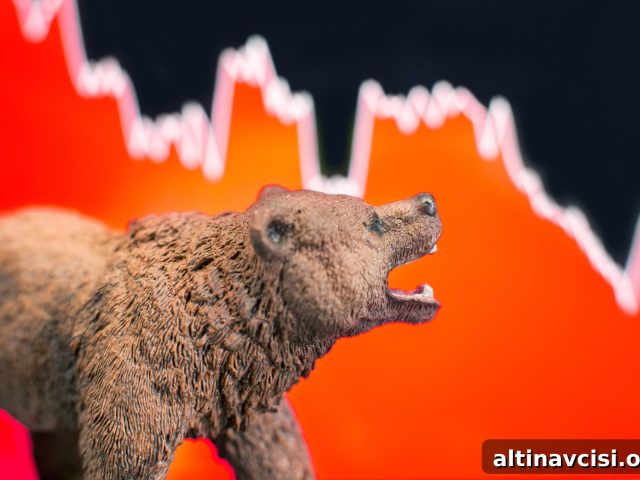
Ray Dalio, the founder of Bridgewater Associates who gained attention for forecasting the 2008 financial crisis, has issued a stark warning about the direction of U.S. economic policy. Dalio says the combination of unpredictable tariffs, mounting federal debt, and intensifying geopolitical tensions could produce consequences deeper and more damaging than a typical recession. He sees the current mix of risks as comparable, in certain ways, to the conditions that preceded major economic dislocations in the past.
Three Major Threats Identified
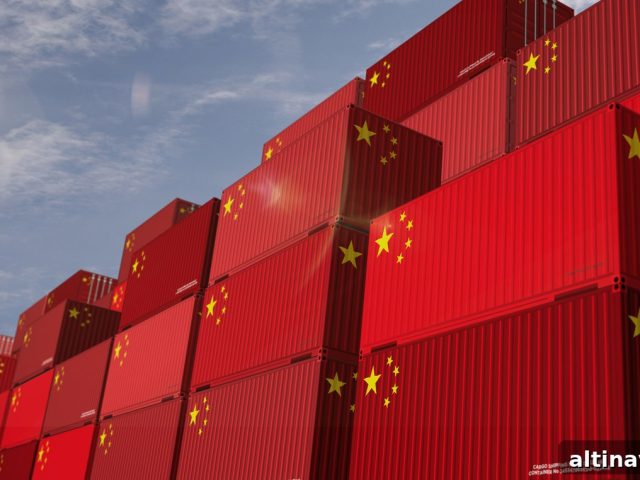
Dalio outlines three primary threats that he believes are driving this heightened risk. First, he points to chaotic and unpredictable trade actions — including proposed tariffs as high as 50% on steel and aluminum from China and the European Union — that are disrupting supply chains and business planning. Second, he highlights the rapid growth of public and private debt across the economy, which increases vulnerability to shocks. Third, he warns of rising tensions among major global powers that could fragment trade and monetary relationships built after World War II.
How Tariffs Disrupt the Production System
According to Dalio, the immediate and visible effect of erratic tariff policy is to “throw rocks into the production system.” That metaphor captures how sudden changes in trade costs and access to inputs can ripple through manufacturing, logistics and retail. Companies plan production and investment around stable cost assumptions; abrupt tariff hikes raise input prices, force sudden adjustments, and can slow hiring and investment. Dalio stresses that these disruptions not only affect firms but also weigh heavily on consumer confidence, which drives a large share of economic activity.
Debt Levels and the Risk of a Debt Crisis
Dalio emphasizes that growing debt levels make the economy more fragile. High and rising debt—public and private—reduces the policy space available to governments and central banks when a shock occurs. In Dalio’s view, without fiscal restraint the United States risks a debt crisis that could be far more severe than a conventional recession, because deleveraging and loss of confidence can lead to prolonged contractions in spending and investment.
Geopolitical Strains and Monetary System Risks
Dalio draws attention to intensifying rivalries between major economic powers, suggesting those tensions could undermine the multilateral trade and monetary arrangements that have supported global stability since World War II. He warns that if core elements of the international monetary system were to break down or be heavily strained, the resulting contagion could amplify domestic economic problems into a broader global crisis.
Dalio’s Policy Prescription
To avert what he describes as a potential disaster, Dalio calls for decisive policy action. He urges Congress to reduce the budget deficit, recommending a target of roughly 3% of GDP, and to pursue stable, predictable trade policies that avoid sudden shocks to supply chains and markets. The combination of fiscal consolidation and clearer trade rules, he argues, would strengthen confidence, lower the risk of a debt-driven crisis, and give policymakers more room to respond if economic conditions deteriorate.
Implications for Businesses and Consumers
Dalio’s warning has implications for corporate planning, investor positioning, and household finances. Businesses are encouraged to stress-test supply chains for tariff and trade shocks, manage leverage prudently, and maintain flexibility. For consumers and investors, heightened uncertainty means paying attention to savings, debt levels, and the possibility of slower growth or tighter credit conditions if policy mistakes are not corrected.
Ultimately, Dalio’s message is a cautionary one: disruptive trade tactics, unchecked debt expansion, and escalating geopolitical rivalry together create a risky recipe. Without fiscal restraint and more predictable trade policies, he warns, the U.S. could face economic outcomes that go beyond the scope of a standard recession.
Popular Topics
Picked from the archive
-
01
 Topics
McDonald’s Traffic Plummets as Core Customers Cut Back
-
02
Topics
Regional Banks Face Unrealized Losses and Looming Recession
-
03
Topics
Swiss Gold Imports from US Surge to 12-Year High
-
04
Topics
Gold Hits Two-Week High as Trade Tensions Flare
-
05
Topics
Corporate Outlook Hits Post-Crisis Lows as Trade War Escalates
-
06
Topics
Interactive Brokers’ Sosnick: Why Gold Is America’s Anti-Dollar
-
07
Topics
Treasury Market Steady as GDP Falls and Jobless Claims Rise
-
08
Topics
China Cuts Rare-Earth Magnet Exports; Supply Falls 74%