Trump’s Policies Send Gold Past 3,400 as Dollar Crisis Looms
How Trump’s Economic Policies Are Lifting Gold Prices and Weakening the Dollar
Recent policy decisions are reshaping market expectations and appear to be pushing investors toward gold while undermining faith in the US dollar. Central to this shift are large tax cuts, pressure on the Federal Reserve, and public discussion of unusual options for dealing with foreign-held US debt. Each of these elements influences how both domestic and international investors view the safety and attractiveness of dollar-denominated assets.
Tax Cuts, Deficits, and Market Confidence
The administration’s sizeable tax cuts are projected to add $2.5 trillion to the federal deficit over the next decade. A larger deficit generally requires the government to issue more debt to finance spending, which can raise questions about fiscal sustainability. When investors become concerned about a country’s fiscal trajectory, they often reassess the risk of holding that country’s currency and government bonds. In turn, those reassessments can accelerate capital flows away from the currency and into assets perceived as safer or more stable.
Pressure on the Federal Reserve and Interest Rate Dynamics
Alongside fiscal policy, political pressure on the Federal Reserve to lower interest rates has drawn attention. Expectations of lower short-term interest rates tend to reduce the attractiveness of a currency for international investors seeking yield. Even if domestic interest rates remain relatively high compared with other countries, the perception that the central bank may be constrained by political pressure can weaken confidence. Lower expected rates reduce the appeal of dollar-denominated investments and can contribute to currency depreciation.
Unusual Proposals on Foreign-Held Debt
Public discussion about restructuring or altering the terms of foreign-held US debt can amplify uncertainty among foreign creditors. When investors who hold government debt fear that their holdings may be affected by policy changes, they may reduce their exposure to that debt and the currency in which it is denominated. That reduced demand for dollars and Treasuries can create downward pressure on the currency and prompt investors to seek alternative stores of value.
The Market Outcome: Dollar Weakness and a Surge in Gold
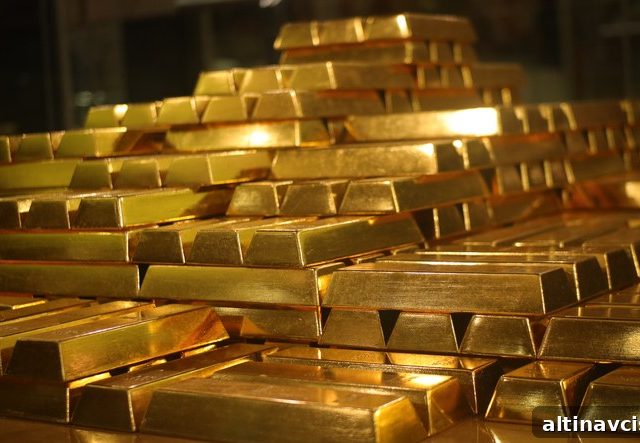
Despite factors that would normally support the dollar—such as high tariffs and what had been relatively favorable interest rate differentials—the dollar has fallen about 10% this year. At the same time, gold has risen roughly 30%, reaching $3,400 per ounce. This divergence indicates that, for many investors, concerns about fiscal policy, central-bank independence, and political risk have outweighed traditional drivers of currency strength.
Why Gold Gains When Confidence Wanes
Gold is widely regarded as a safe-haven asset and a hedge against currency depreciation, inflation, and systemic risk. When confidence in a major reserve currency erodes, demand for gold typically increases as investors seek to preserve purchasing power and reduce exposure to potential losses in fiat assets. The recent gains in gold reflect this dynamic: as doubts about the United States’ ability to manage its growing debt burden have spread, more capital has flowed into bullion and other stores of value.
Broader Implications
Rising gold prices and a weakening dollar have several potential economic consequences. A softer dollar makes imports more expensive, which can feed into higher consumer prices. It can also alter trade balances and change the incentives for foreign investors holding dollar assets. For policymakers, these shifts complicate the task of balancing growth, inflation, and financial stability, particularly when fiscal and monetary signals are sending mixed messages.
What Investors Are Watching
Market participants will continue to monitor fiscal policy decisions, any moves or public statements that affect central-bank independence, and further discussion of how foreign-held debt might be treated. Those factors—alongside global macroeconomic developments—will likely determine whether the recent trends in the dollar and gold persist, accelerate, or reverse.
In short, the combination of a large projected increase in the deficit, pressure on monetary policy, and unsettled debate over debt treatment has eroded some investor confidence in the dollar. That loss of confidence helps explain why gold has surged while the dollar has weakened, even in the face of factors that would normally support the currency.
Popular Topics
Picked from the archive
-
01
 Topics
Gold Price Tops $3,350 on Tariff Fears, Ukraine Tensions
-
02
Topics
Gold Gains as Dollar Slips Despite US China Tariff Truce
-
03
Topics
Kevin O’Leary Rejects Wall Street’s 2025 Recession Forecast
-
04
Topics
Dollar Surges After Strong Jobs Report, Fed Rate Cut Delayed
-
05
Topics
Analysts Still Bullish on Gold After Recent Pullback
-
06
Topics
Treasury Yields Slip Ahead of U.S.-China Summit in London
-
07
Topics
Gold Rises as Investors Await Inflation Data and Trade Talks
-
08
Topics
Why HSBC Says Market Bears Are Wrong About Stocks