Trump $2,000 Stimulus Checks, Auto Loan Crisis and Silver Rally
Daily News Nuggets | Today’s top stories for gold and silver investors
November 12th, 2025
Trump Floats $2,000 “Tariff Dividend” Checks — But the Math Doesn’t Add Up
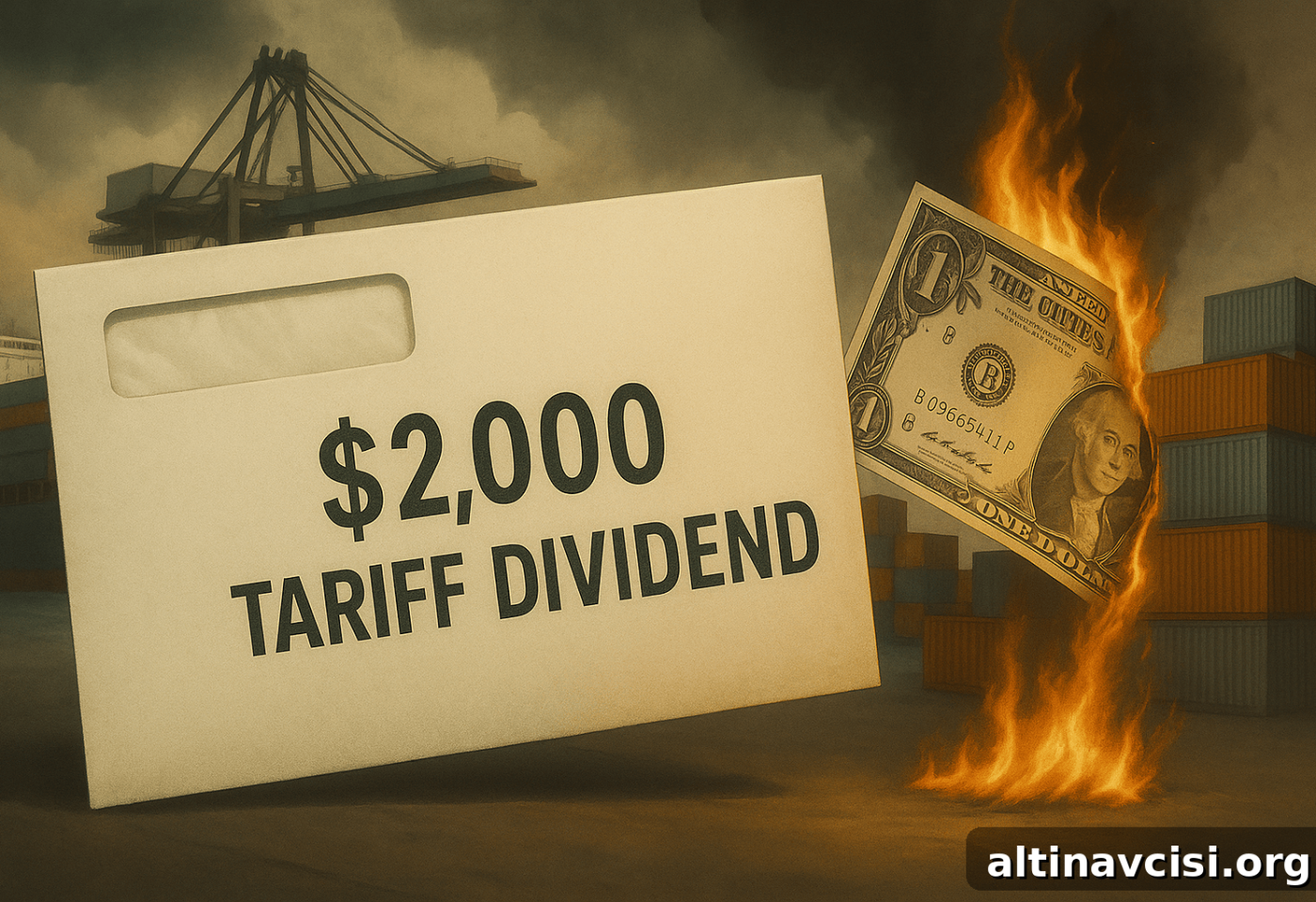
Over the weekend, President Trump proposed a populist idea: $2,000 “tariff dividend” checks for every American adult, reportedly to be funded by increased import tariff revenue. The suggestion has been presented as a patriotic rebate, but in practical terms it functions like another round of fiscal stimulus.
The arithmetic is the problem. Tariff receipts this year are estimated at about $195 billion. Issuing $2,000 to each eligible adult would cost roughly $300–$326 billion, leaving a funding gap of more than $100 billion. That shortfall would likely be covered through borrowing, adding directly to the roughly $37 trillion national debt.
Unfunded stimulus of this size can rekindle inflationary pressures. Unlike the extraordinary circumstances of the COVID era, the current economy is not in the same type of acute crisis where emergency checks were widely justified. Injecting several hundred billion dollars into consumer incomes now risks reviving price momentum and effectively expanding the money supply via fiscal means.
When governments run persistent deficits and borrow to fund transfers, the value of the currency can be pressured downward. That dynamic helps explain why precious metals such as gold and silver often perform well during periods of fiscal strain. The tariff-dividend proposal still requires Congressional approval, but merely proposing it signals that deficit spending remains a politically available option.
Government Shutdown Set to End After 41 Days
After what became the longest partial government shutdown in U.S. history—41 days—Congress moved to reopen the government. The Senate passed a funding bill and the House prepared to vote to send it to the President. This temporary funding measure seeks to restore operations while deferring several contentious issues for later negotiation.
The shutdown affected nearly 670,000 federal employees, forced many others to work without pay, and disrupted programs that millions rely on — including nutrition assistance serving more than 42 million people. Financial markets reacted positively to the prospect of reopening, with gold rising to multi-week highs as investors anticipated a resumption of economic data and a higher probability of a Federal Reserve rate cut in December.
The stopgap bill funds the government through January 30 and postpones debates over longer-term priorities, such as the future of ACA subsidies that influence roughly 20 million Americans. While it ends the immediate impasse, it leaves major questions unresolved for the new year.
Job Security Concerns Add to Affordability Worries
Household finances are under pressure from two directions: rising everyday costs and growing anxiety about job security. A recent national poll found that 55% of employed Americans are worried about losing their jobs, a sharp increase coinciding with announcements of layoffs by major employers.
Companies including high-profile retailers and service providers have announced workforce reductions, and the month saw the largest number of layoff announcements in decades, according to outplacement data. At the same time, 62% of Americans report that their routine expenses have risen in the past month, and nearly half say those increases are difficult to manage.
When consumers are uncertain about both income and affordability, they typically cut back on discretionary spending. That pullback can slow economic growth and increase pressure on policymakers to lower interest rates to support activity.
Car Loan Delinquencies Hit Record — Echoing 2008 Warning Signs
Subprime auto loan delinquencies rose to 6.65% in October, the highest level since 1994, according to credit ratings data. Economists often view rising auto delinquencies as an early warning sign because consumers prioritize vehicle payments to maintain their ability to work.
When borrowers begin missing car payments, it frequently indicates they have exhausted other financial options. That pattern was visible ahead of the 2008 financial crisis, when increases in auto delinquencies foreshadowed broader household distress. Current trends show repossessions and defaults rising, with some observers pointing out similarities to the pre-2008 period.
This deterioration in auto credit quality suggests stress among lower‑income and higher‑risk borrowers and can have knock-on effects for consumer spending, lender balance sheets, and overall financial stability.
Gold-to-Silver Ratio Drops Below 80:1
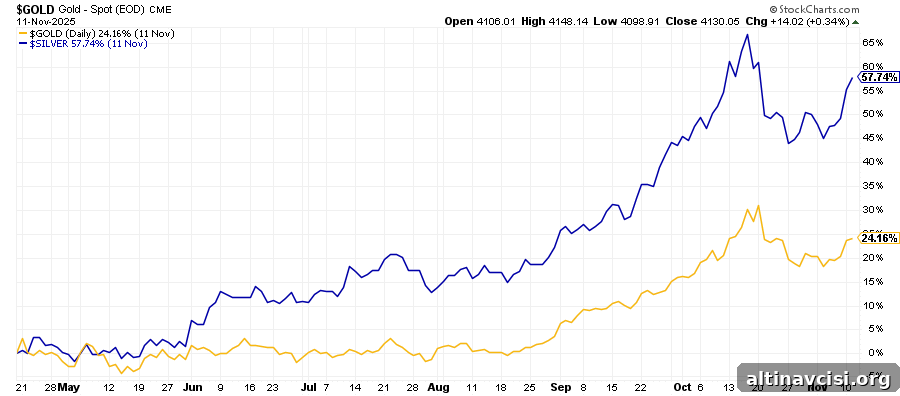
Earlier this year the gold-to-silver ratio reached an extreme near 104:1, well above its long-term 50-year range of roughly 60:1 to 80:1. We warned then that such an extreme was unlikely to persist and that silver could outperform as the ratio normalized.
Since April 21, gold has climbed about 24%, but silver has outpaced it dramatically, gaining approximately 58% over the same period. That outperformance has pushed the ratio back below 80:1, rewarding investors who anticipated a reversion.
When the ratio becomes stretched, history shows it often snaps back. Silver’s recent strength underscores how quickly market imbalances in precious metals can correct and why monitoring the gold-to-silver ratio remains a useful signal for precious-metals investors.
Popular Topics
Picked from the archive
-
01
 Topics
Gold Price Outlook: ING Says Market Needs a New Catalyst
-
02
Topics
How the IRS Taxes Gold vs Silver
-
03
Topics
Senate Tax Bill Adds 3.3 Trillion to Deficit, Raising Alarm
-
04
Topics
Gold Price Jumps Amid Fed Chair Uncertainty
-
05
Topics
US Dollar Falls to Multi-Week Lows as Fed Cut Nears in September
-
06
Topics
Gold Surges to Record High as $5,000 Target Nears
-
07
Topics
Citi Predicts Gold Price to Reach $3,100 to $3,500 in Q3
-
08
Topics
Gold Surges 11% in September Amid Washington, DC Shutdown