Gold Rally 2026: Why Prices Are Set to Rise
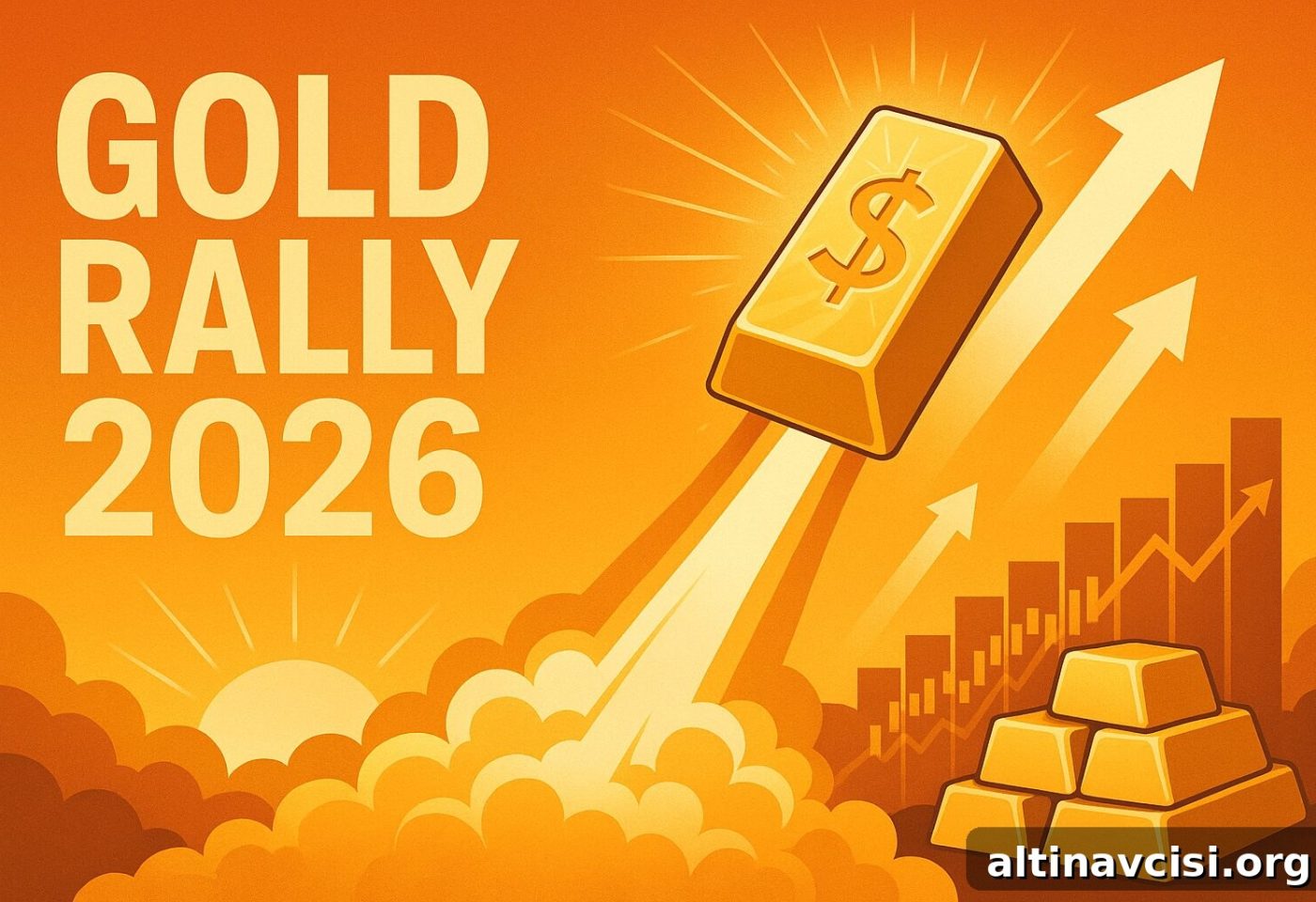
Gold has been one of the standout performers in recent years, delivering strong risk-adjusted returns that in many cases surpassed equities and even cryptocurrencies. After reaching record highs in 2025, the central question for investors is straightforward: will the gold rally extend through 2026, or is the bull market losing momentum?
Most major analysts are optimistic that the uptrend has more room to run. Below we summarize the forces supporting higher prices, the key risks to monitor, and practical ways investors can position themselves.
Recap: The 2025 Rally That Set the Stage
In 2025, gold climbed to new heights, trading well above $2,800 per ounce at its peak. Several market conditions converged to create a favorable environment: real yields declined, geopolitical tensions remained elevated, and inflation proved persistent enough to keep safe-haven demand intact.
The demand data reflected that backdrop. Total gold demand reached a record level of 1,249 tonnes in the World Gold Council’s Q2 2025 report, while central banks continued to accumulate holdings aggressively. Central bank purchases exceeded 1,100 tonnes in 2024, the second-highest annual total on record, and that buying momentum carried into 2025. Private investors and institutional flows helped reinforce the rally.
Key Drivers Powering Gold’s Strength in 2026
Four broad, structural forces are working together to support gold prices heading into 2026.
1. Central Banks Are Still Buying Aggressively
Central banks around the world have continued to diversify reserves away from a single currency, and their buying remains a durable source of demand. Given the scale of recent purchases and ongoing reserve management strategies, central-bank accumulation is a multi-year tailwind rather than a short-term fluke.
2. Lower Real Yields and Monetary Easing
Expectations for rate cuts by major central banks, notably the Federal Reserve, would push real yields lower. Historically, falling real yields reduce the opportunity cost of holding non-yielding assets such as gold, often prompting reallocations from cash and bonds into inflation-resistant stores of value.
3. A Weakening Dollar and Rising Fiscal Pressure
Large fiscal deficits in major economies can weigh on confidence in fiat currencies over time. A softer U.S. dollar typically supports dollar-denominated commodities like gold, as overseas buyers find bullion cheaper and more attractive.
4. Persistent Inflation and Political Uncertainty
Even if headline inflation eases, core inflationary pressures and elevated public debt levels can remain. Geopolitical risks, trade tensions, and election cycles add uncertainty that tends to sustain safe-haven demand for gold.
What Analysts Are Forecasting for 2026
The consensus among large sell-side houses is broadly bullish for 2026. Several well-known firms have issued targets that imply significantly higher average prices next year:
- Goldman Sachs projects a path that reaches roughly $4,440 in the first quarter of 2026 and rises toward $5,055 by the fourth quarter of 2026.
- J.P. Morgan’s outlook points to an average near $5,055 per ounce by late 2026.
- Morgan Stanley has forecast gold climbing to roughly $4,500 by mid-2026.
- Bank of America raised its view, targeting approximately $5,000 per ounce by 2026.
While exact targets vary, the shared expectation is that gold will outperform many other asset classes over the next year, driven by structural monetary and fiscal dynamics.
Investor Takeaways and Strategy
Physical Ownership Is Valuable
Owning physical gold—bars and coins—removes counterparty risk and provides direct control over a tangible asset. For investors concerned about systemic risk or disruptions to financial infrastructure, physical bullion offers unique benefits compared with paper exposures.
Allocation and Timing
A practical approach is gradual accumulation using dollar-cost averaging to smooth entry points through volatility. Many long-term investors allocate a modest portion—commonly around 5–10% of a diversified portfolio—to gold as insurance rather than a speculative bet.
Stay Informed
Monitor key indicators such as real yields, central-bank behavior, fiscal balances, and dollar strength. Trusted market research and commodity updates from established institutions can help you interpret shifting conditions and time adjustments to your allocation.
The Verdict: Gold’s 2026 Outlook Remains Strong
The structural drivers behind this gold cycle—central-bank accumulation, expectations of monetary easing, and fiscal weaknesses in major economies—support a positive outlook into 2026. While short-term corrections are possible, the prevailing momentum appears rooted in durable macro trends rather than fleeting speculation.
For most investors, a sensible plan is to maintain a prudent allocation to physical gold, diversify holdings, and exercise patience through inevitable market swings.
Key Takeaways
- Record demand in 2025 established solid momentum for gold.
- Central-bank purchases, easing real yields, and fiscal pressures point to a bullish 2026.
- Major analyst forecasts commonly fall in the range of roughly $4,000–$5,000 per ounce over the next year.
- Physical bullion is the most direct way to own gold and avoid counterparty exposure.
- Watch real yields, Fed policy, and dollar trends for signals about the next phase.
Investing in Physical Metals Made Easy
People Also Ask
Will the gold rally continue in 2026?
Most analysts expect the rally to continue into 2026, driven by ongoing central-bank demand, lower real yields if rate cuts arrive, and structural fiscal pressures that favor safe-haven assets. Investors should still plan for volatility and follow a disciplined accumulation strategy.
What is driving the gold rally heading into 2026?
The main drivers are persistent central-bank buying, expectations for monetary easing that lower real yields, a potentially softer dollar amid fiscal strains, and continued inflationary and geopolitical uncertainty that sustains safe-haven demand.
How high could gold go by 2026?
Analyst estimates vary, but several major houses project targets in the mid-to-upper four-figure range for 2026—commonly cited figures include roughly $4,400–$5,055 per ounce at different points of the year, depending on timing and assumptions.
What could stop the gold rally in 2026?
Key risks include a more hawkish-than-expected central bank stance, a stronger U.S. dollar, or a robust global economic recovery that reduces demand for safe-haven assets. Such developments could trigger pullbacks, though many strategists view these as potential pauses rather than a reversal of the longer-term bull market.
With gold at new highs, is now a good time to invest?
For investors focused on long-term wealth preservation, gradual accumulation—using dollar-cost averaging and maintaining a modest allocation—remains a widely recommended approach. Physical gold can serve as portfolio insurance against currency and macro risks while allowing participation in any further upside.
Get Gold & Silver Insights Direct to Your Inbox
Join thousands of investors who receive expert analysis, market updates, and exclusive offers every week.
Popular Topics
Picked from the archive
-
01
 Topics
Oil Prices Near $70 as Traders Warn of Looming Supply Glut
-
02
Topics
Gold-Backed Crypto Tokens Surge as Investor Demand Spikes
-
03
Topics
Gold Climbs as Dollar Weakens Ahead of US Producer Price Index
-
04
Topics
Dollar Surges as Trump Threatens Tariffs on Copper and Chips
-
05
Topics
Silver Price Surges 10% in June; July Outlook Positive
-
06
Topics
June Home Sales Drop 2.7% as Affordability Squeeze Worsens
-
07
Topics
Dollar Drops as Markets Price In Fed Cuts; Tariff Fears Rise
-
08
Topics
Powell to Announce Fed Policy Shift at Jackson Hole Summit