Can Gold Hold at $4,300? Price Outlook for Investors
Daily News Nuggets | Today’s top stories for gold and silver investors
October 20, 2025
Gold Catches Its Breath Around $4,300
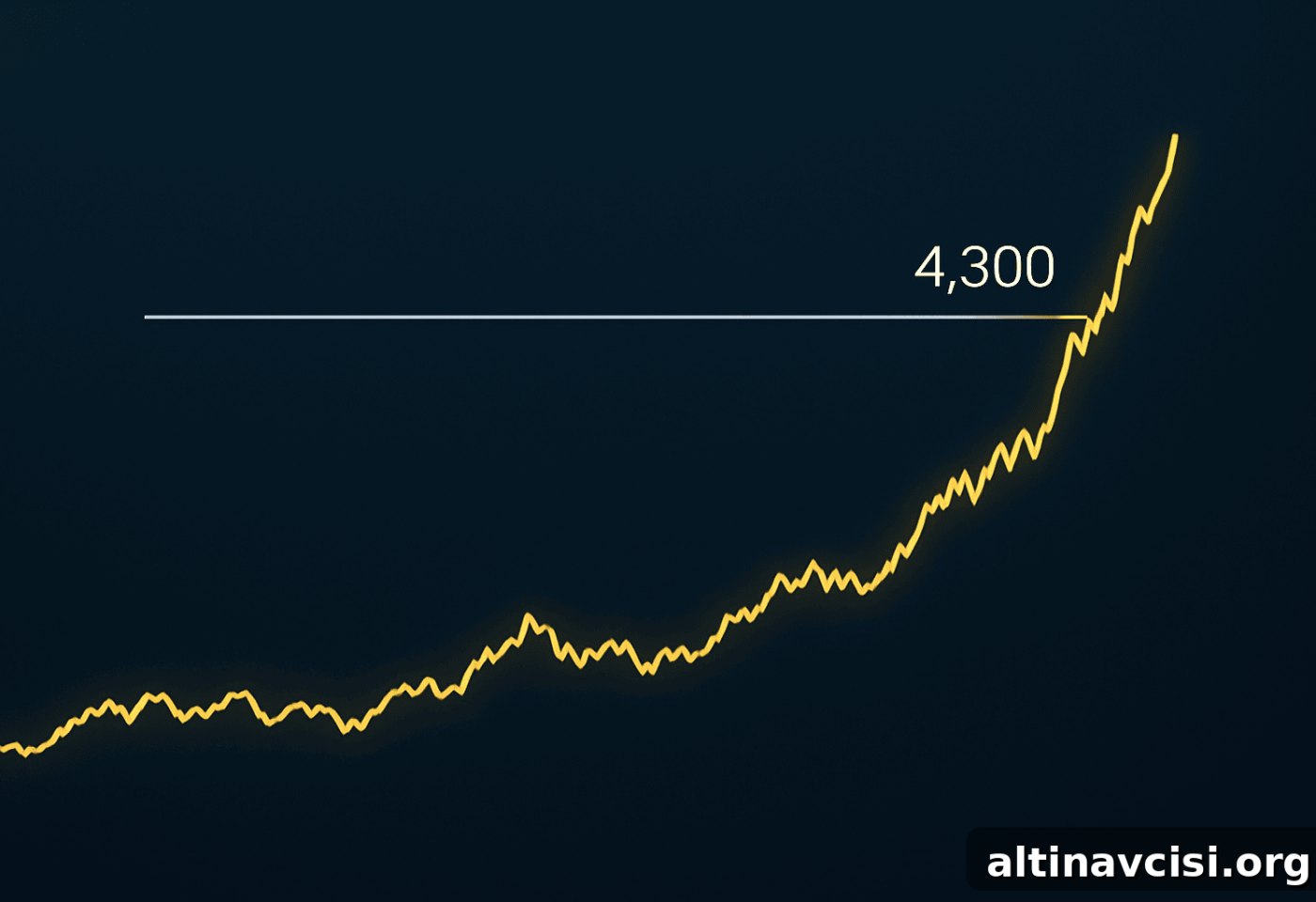
After hitting $4,326 on Thursday — marking its 45th record high this year — gold has pulled back slightly and is trading around $4,260. That modest retreat follows an extraordinary run that pushed the metal up nearly 60% in 2025, racing from about $3,500 to above $4,300 in just 36 days.
Despite the short pause, few market participants are declaring the rally over. Expectations of future Fed rate cuts, continued central bank purchases, and safe-haven buying amid trade tensions and the ongoing government shutdown are keeping investor interest strong. The central question now is whether gold consolidates near current levels before testing $4,400, or if a deeper retracement will come first. Either path would reflect how the metal’s dramatic advance has changed perceptions of “normal” price ranges for gold.
Some strategists caution that volatility could return sooner than bulls hope, meaning the next stretch higher may be bumpier than recent gains.
Morgan Stanley: Don’t Get Too Comfortable
Morgan Stanley’s metals strategist Amy Gower has urged investors to remain cautious. In a recent interview she warned that gold is not immune to broader market pullbacks — particularly if equities sharply correct.
What’s unusual about this rally is that gold has been rising alongside stocks, bonds and other asset classes, increasing correlations across markets. If risk appetite wanes and investors move quickly to raise cash, gold could be swept up in a broader selloff despite its traditional safe-haven role. Gower’s takeaway: investors should celebrate the gains but prepare for renewed volatility; future advances may not follow the smooth trend we’ve seen recently.
Contributing to gold’s resilience is the prolonged Washington crisis, which continues to feed uncertainty.
Government Shutdown Drags Into Week Three
The federal government shutdown has extended into its third week and is now among the longest in U.S. history, with no clear resolution in sight. Federal employees are beginning to miss pay cycles, and economists warn that the economic toll could intensify. Some forecasts now imply a larger weekly hit to GDP than earlier estimates suggested.
A major market worry is the resulting data blackout: key economic releases have been delayed or suspended, leaving the Federal Reserve with limited up-to-date information as it evaluates future policy steps. While some data points are expected to resume, the gap in reliable, timely statistics makes central bank decision-making more uncertain.
Historically, shutdowns tend to increase demand for safe-haven assets. This episode checks many of those boxes: rising economic uncertainty, impaired policy transparency, and entrenched political gridlock. Analysts note that if the stalemate persists into November, the backdrop would likely remain supportive for precious metals as investors seek protection from heightened risk.
India’s Gold Buyers Trade Ornaments for Bullion This Diwali
Record-high prices are reshaping buying patterns in India. During the recent Dhanteras festival — traditionally one of the year’s busiest days for gold purchases — demand for jewelry fell by almost 30% compared with last year, while sales of coins and bars surged, according to industry officials.
The shift is driven by straightforward math: local gold prices are significantly higher than a year ago, and many consumers are avoiding the extra 10–20% charged for making and designing ornamental jewelry. Overall volumes slipped modestly, but total rupee sales rose because prices per ounce are far higher than last year.
Rather than abandoning the custom of buying gold at Diwali, many Indian consumers adjusted their approach, choosing investment-grade products that offer pure metal exposure without high craftsmanship markups. Dealers are reporting elevated premiums over domestic prices, the highest seen in years. This pattern underscores that, even at elevated levels, demand for physical gold in the world’s second-largest market remains robust and adaptable.
Silver Supply Squeeze Eases as U.S. and China Shipments Flow
A sharp shortage in the London over-the-counter spot silver market has started to ease as large shipments from the United States and China arrive, helping rebuild inventories. This flow has eased the intense short-term squeeze that pushed silver prices higher and raised borrowing rates.
While the immediate pressure has softened, the episode highlights how tight the physical silver market can be. Silver occupies a unique position as both an industrial metal and an investment asset. Strong industrial demand — for example from solar-panel manufacturing — combined with sustained investor interest means the market remains vulnerable to periodic bottlenecks. These recurring supply-demand frictions could act as intermittent catalysts for price spikes, rather than isolated, one-off events.
Overall, the current market picture is one of heightened uncertainty supporting precious metals demand, even as short-term dynamics — like deliveries easing a silver squeeze or temporary profit-taking in gold — create pauses and pockets of volatility. For investors in gold and silver, the challenge is balancing the appeal of a protective asset with the reality that price action can be suddenly influenced by broader market moves and shifts in liquidity.
Popular Topics
Picked from the archive
-
01
 Topics
Harvard 51B Endowment Sells Tech, Buys Gold and Crypto
-
02
Topics
Tariff-Driven Inflation Clouds Fed’s September Rate Decision
-
03
Topics
Investors Flock to Gold Amid Trade Tensions and Weak Jobs Data
-
04
Topics
ETF Inflows Propel Gold Demand to Highest H1 Levels Since 2020
-
05
Topics
Russia Taps $1B Chinese Gold Market Amid Geopolitical Shift
-
06
Topics
Gold Has Matched Stock Returns Since 1971: Why It Matters
-
07
Topics
BIS Warns Fed Faces Impossible Choice as Tariffs Risk Inflation
-
08
Topics
India Gold Demand Drops Further Amid Soaring Asian Prices