Silver Price Hits $50 as Morgan Stanley Allocates 20% to Gold
Daily News Nuggets | Today’s top stories for gold and silver investors
October 9th, 2025
Silver Breaks $50 Overnight
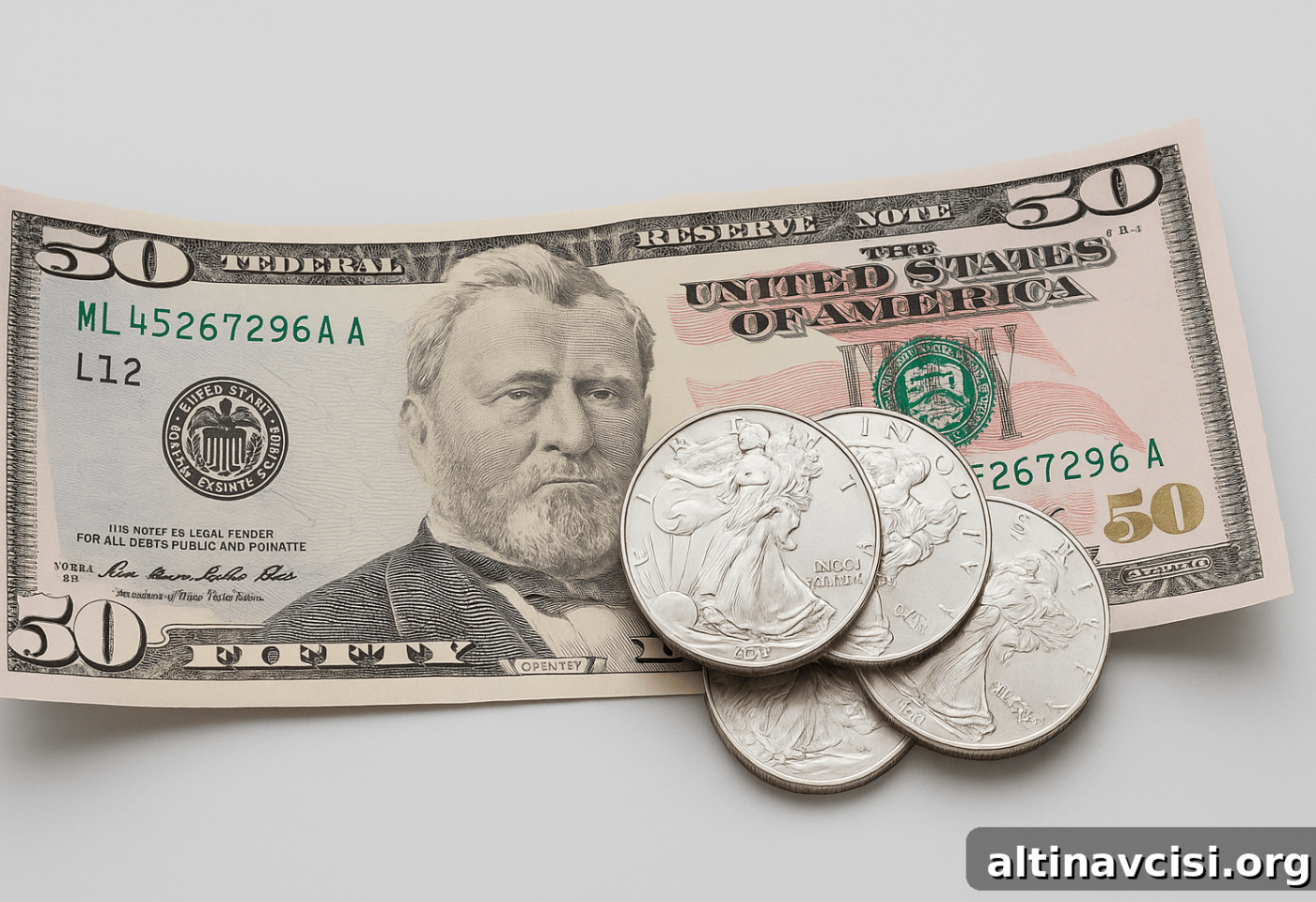
Silver closed in London at $49.45 per ounce yesterday, marking the highest closing price on record and eclipsing the January 1980 peak that had stood for 45 years. The rally continued in overnight trading, when silver briefly topped $50.07 — crossing that important psychological threshold for the first time in recorded history.
The metal is now approaching its all-time intraday highs: $52.80 on the CBOT and $50.36 on the LBMA, levels first seen during the inflation shock after the 1970s oil crisis. Over the past 30 days silver has risen roughly 19%, and year-to-date gains are near 73%. That powerful move reflects the convergence of stronger industrial demand, constrained physical supply, and renewed investor interest in hard assets as a hedge amid trade tensions and shifting expectations for interest-rate cuts.
Silver’s dual role — valuable both as a precious metal and an industrial commodity — helps explain why it has become a focal point for investors looking to diversify risk. As markets reassess inflation, policy, and global supply chains, silver’s performance has signaled growing appetite for tangible stores of value alongside its traditional industrial uses.
Morgan Stanley Shakes Up Wall Street with 20% Gold Allocation
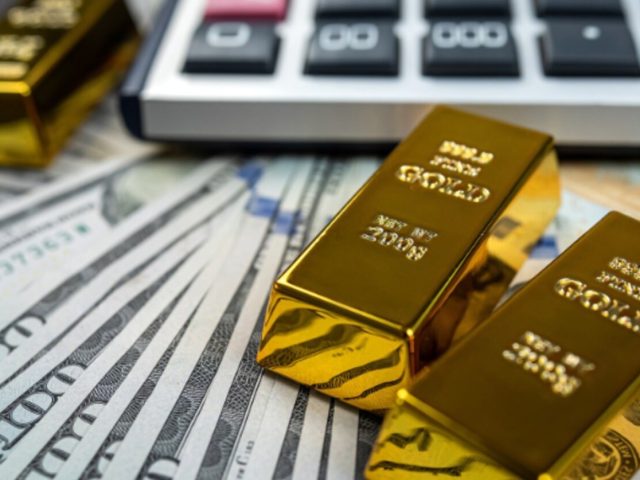
Morgan Stanley’s Chief Investment Officer, Mike Wilson, has proposed a notable shift in portfolio construction. Rather than the long-standing 60/40 equities-to-bonds split, he advocates a 60/20/20 allocation: 60% equities, 20% gold, and 20% bonds. This recommendation represents a meaningful endorsement of gold as a core portfolio component, not merely a tactical hedge.
Wilson’s central argument is that gold today offers protection that Treasuries may no longer reliably provide. With persistent inflationary pressures, volatility in real interest rates, and worries about fiscal sustainability, he contends gold is becoming an essential defensive asset. In his view, gold has demonstrated resilience during periods of policy uncertainty and when real yields turn negative — traits that have prompted institutional investors to rethink conventional definitions of “safe” assets.
The shift toward higher allocations to precious metals by mainstream institutions underscores a broader reassessment of risk. Growing sovereign debt and concerns about fiat currency credibility are pushing some investors back toward tangible assets. For advisors and individual investors, this debate raises important questions about long-term allocation, inflation protection, and the role of gold in balanced portfolios.
Fed’s Williams Backs More Rate Cuts in 2025 Amid Labor Risks
New York Fed President John Williams recently signaled openness to additional rate cuts this year, citing early signs of labor-market softening and downside risks to economic momentum. He emphasized the central bank’s challenge: remain vigilant against inflation while protecting employment, and avoid cutting so aggressively that the Fed’s credibility is undermined.
Market expectations for further easing have strengthened on such comments. Lower nominal and real yields reduce the opportunity cost of holding non-yielding assets like gold and silver, generally making metals more attractive when bond returns look less competitive. That dynamic helps explain in part why precious metals have rallied as investors price in further policy easing.
CPI Has Greatly Underestimated the Real Cost of Living for Young Adults
Many young adults find that official inflation measures don’t match their lived experience. The Consumer Price Index (CPI), the government’s main inflation gauge, has long been criticized for underweighting housing relative to what people actually spend on shelter. While CPI assumes housing accounts for roughly one-third of household spending, renters in many major metropolitan areas now devote 40–50% of take-home pay to rent, especially those early in their careers.
National averages in CPI also mask regional extremes. In cities such as Austin, Miami, and New York, rents have surged dramatically over recent years, leaving younger residents feeling the strain even as headline inflation appears to moderate. The result is stagnant real wages for many young workers and a growing perception that official statistics understate the true cost of living for younger cohorts in high-cost urban centers.
Dollar at a Two-Month High — But It’s Mostly an Illusion
The U.S. dollar has enjoyed a strong short-term run, on track for its best weekly performance in nearly a year, helped by a weak yen and renewed volatility in parts of Europe. The yen has slid over 3% amid political uncertainty in Japan and shifting expectations for more dovish policy there.
Still, the apparent dollar strength masks a broader trend: the U.S. Dollar Index (DXY) is down roughly 10% year-to-date, one of the steeper declines in decades. This week’s bounce largely reflects relative weakness among key peers rather than a decisive gain in the dollar’s absolute purchasing power. In other words, the dollar appears stronger because other currencies have weakened more — a nuance that matters for exporters, importers, and investors assessing currency-driven risk.
Popular Topics
Picked from the archive
-
01
 Topics
World Gold Council: Gold Eyes $3,351 as Triangle Break Nears
-
02
Topics
Jobless Claims Drop, 4-Year High Raises Job Market Concern
-
03
Topics
Fed to Hold Interest Rates Despite Trump’s Calls for Cuts
-
04
Topics
Trump Imposes 35% Tariffs on Canadian Imports: Economic Impact
-
05
Topics
Dollar Steady as Markets Price 79% Odds of September Rate Cut
-
06
Topics
Gold Pauses at $3,357 After Rally as Bulls Target $3,500
-
07
Topics
When the Fed’s $2 Trillion Liquidity Buffer Reaches Zero
-
08
Topics
Gold Trading Volume: Why $227B Daily Trades Matter to Investors