Hong Kong Plans New Global Gold Trading Platform
Hong Kong Accelerates Plans to Become an International Gold Trading Hub
Hong Kong is moving rapidly to strengthen its role as a global gold trading hub, with Financial Secretary Paul Chan Mo-po confirming that a package of comprehensive support measures will be announced later this year. The planned initiatives are intended to develop the city’s market infrastructure, improve settlement efficiency and support physical gold delivery capabilities, all aimed at increasing Hong Kong’s attractiveness to international participants in the precious metals market.
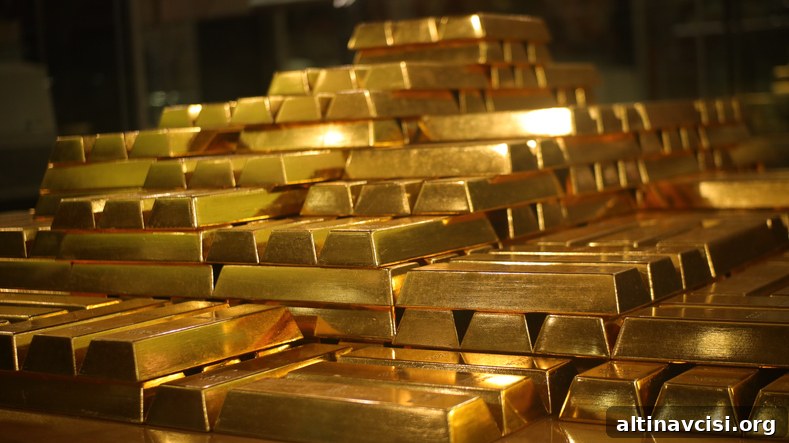
One of the core elements signalled by the government is the establishment of physical gold delivery infrastructure. By improving the logistics, storage and custody arrangements necessary for physical settlement, Hong Kong seeks to offer market participants a reliable platform for trading and delivering bullion. This type of infrastructure typically includes secure vault facilities, robust transportation and insurance arrangements, and clear custodial and auditing standards—components that underpin confidence in a trading centre and help foster deeper liquidity and tighter pricing.
The move builds on a recent strategic success: Hong Kong’s inclusion in the London Metal Exchange (LME) global warehouse network. Since joining that network, eight LME-approved warehouses in the city have become operational, together handling more than 8,000 metric tons of exchange-registered warrants. That milestone demonstrates both demand for regulated warehousing solutions and Hong Kong’s capacity to host significant volumes of exchange-registered metal. It also reinforces the city’s credentials as a practical logistics and settlement node for international commodity markets.
Creating a credible gold trading hub in Hong Kong complements the territory’s established strengths in finance, custody services and professional trust and audit sectors. A functioning physical delivery market for gold would support improved price discovery and give investors and businesses an alternative venue for hedging and portfolio allocation. For bullion banks, traders and institutional investors, transparent settlement mechanics and secure vaulting are critical; by prioritising these elements, Hong Kong aims to attract a broader set of market participants.
The gold initiative is part of a wider strategic aim to capitalize on changing geopolitical and trade dynamics. Hong Kong intends to position itself as a multinational supply chain management centre, particularly for mainland Chinese companies expanding into markets across the Global South and along Belt and Road corridors. By integrating commodities trading capabilities with finance, logistics and professional services, the city hopes to provide a one-stop environment that supports cross-border trade, financing and risk management for firms operating in emerging markets.
For mainland enterprises, an enhanced gold market in Hong Kong could provide several benefits. Physical delivery options and regulated warehousing can facilitate trade finance arrangements and collateralisation, while an established trading venue improves transparency and liquidity. These features may be especially useful to companies engaged in commodity-intensive projects or those seeking to diversify funding and hedging routes in the face of evolving global trade patterns.
Officials have emphasised that the forthcoming measures will be comprehensive, suggesting coordination across regulatory, infrastructure and market-practitioner domains. Key priorities likely to accompany such an effort include clear regulatory guidance, internationally recognised auditing and custodian standards, and mechanisms to ensure safe, efficient transport and storage. By aligning regulatory and operational standards with global best practices, Hong Kong can foster trust among international counterparties and support long-term market development.
As details of the support package are finalised and published later this year, market participants will be watching for specifics on delivery protocols, warehousing roles, settlement cycles and any tax or regulatory incentives designed to encourage adoption. If implemented effectively, these measures could deepen the city’s commodity ecosystem, strengthen its position as a regional financial hub and provide a practical gateway for companies and investors engaging with markets across the Global South and Belt and Road initiatives.
Popular Topics
Picked from the archive
-
01
 Topics
World Gold Council: Gold’s Role as an Inflation Hedge Explained
-
02
Topics
Why Boring Gold Outperformed Nasdaq by 30% in 5 Years
-
03
Topics
Fed Chair Holds Rates Firm as Trump Urges GOP to Pressure Powell
-
04
Topics
Silver Prices Eye Record Highs as Fed Signals Rate Cuts
-
05
Topics
Could Gold Hit $5,000? Goldman Sachs Explains
-
06
Topics
June Inflation Rises to 4-Month High as Import Costs Surge
-
07
Topics
Federal Reserve Keeps Rates Steady Amid Economic Uncertainty
-
08
Topics
700,000 Zimbabwe Miners Strike Gold Amid Record-Breaking Prices