Gold Rebounds from Two-Week Low Ahead of Trump-Zelenskiy Summit
Gold Rises as Yields Fall and Dollar Weakens Ahead of High‑Profile Political Talks and Jackson Hole
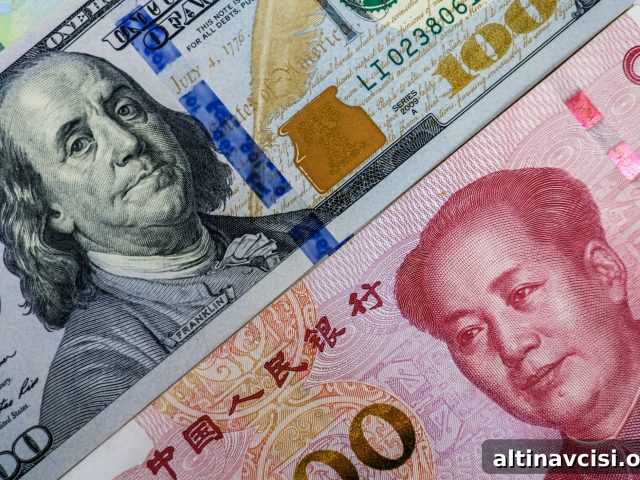
Gold prices climbed 0.4% on Monday to $3,348.28 per ounce, recovering from a two‑week low as traders reacted to shifting bond yields and currency moves. The uptick came after U.S. Treasury yields fell and the dollar weakened, conditions that historically support higher bullion prices by lowering the opportunity cost of holding non‑yielding assets like gold.
Market Drivers: Yields, Dollar and Safe‑Haven Demand
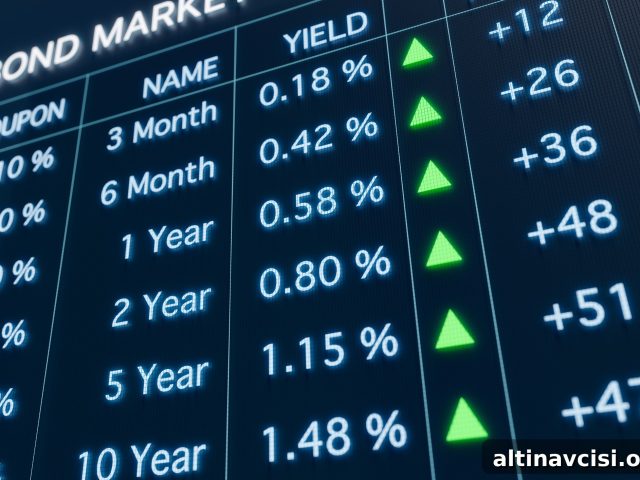
U.S. Treasury yields are a key influence on gold. When yields decline, the return on cash and fixed‑income investments becomes less attractive compared with holding gold, helping increase demand for the metal. At the same time, a softer U.S. dollar makes gold cheaper for buyers using other currencies, often boosting global demand. The combination of lower yields and a weaker dollar provided immediate support for the recent price rebound.
Gold also reacts to risk sentiment. As a traditional safe‑haven asset, gold tends to rise when investors grow concerned about geopolitical tensions or financial market uncertainty. Conversely, signs that geopolitical risks are easing can reduce safe‑haven demand and put downward pressure on prices. Market participants are carefully watching developments that could alter that balance.
Geopolitical Focus: Trump, Zelenskiy and European Leaders
Markets are closely monitoring a high‑profile meeting between President Trump, Ukrainian President Volodymyr Zelenskiy and several European leaders, a gathering that is being watched for any indications of progress in peace negotiations with Russia. The prospect of meaningful diplomatic progress could soften geopolitical tensions. If tensions were to ease significantly, safe‑haven demand for gold could decline, potentially limiting further price gains.
At the same time, the meeting introduces short‑term uncertainty, and even the possibility of incremental developments in diplomacy can spur volatile moves in gold and other assets. Traders are weighing both the potential for de‑escalation and the likelihood that talks will produce only gradual or limited results, with both outcomes capable of influencing flows into bullion.
Federal Reserve, Jackson Hole and Rate Expectations
Beyond geopolitics, investors are also focused on monetary policy and the Federal Reserve’s communications. The annual Jackson Hole symposium, where central bankers, policymakers and economists gather, is approaching and will be monitored for signals about the future path of interest rates. Markets often interpret comments from this event as guidance on the timing and pace of policy easing or tightening.
Economists and market participants referenced in recent reports expect the Fed could begin cutting interest rates as early as September, a view that can be supportive of gold because lower policy rates generally reduce real yields and borrowing costs, increasing the appeal of non‑yielding assets. However, expectations about rate cuts are subject to change based on incoming economic data, inflation readings and central bank commentary, so gold’s reaction will depend on the balance of information investors receive in the weeks ahead.
What Investors Should Watch
Key variables that will likely guide gold prices in the near term include: movements in U.S. Treasury yields and the U.S. dollar; updates from diplomatic talks and developments in the Ukraine‑Russia situation; indicators of economic growth and inflation that influence Fed policy expectations; and commentary from officials at the Jackson Hole symposium. Volatility around any of these areas can create trading opportunities as well as risks for both short‑term traders and longer‑term investors in the metal.
Outlook
In the immediate term, the combination of falling yields and a weaker dollar provided a lift to gold, helping it recoup losses from the prior two weeks. If geopolitical tensions ease or if the Fed signals a clearer path toward easing, gold could face downward pressure. Conversely, renewed geopolitical stress or unexpected inflation or growth dynamics could sustain or accelerate demand for bullion. Market participants will continue to monitor all these factors closely to assess whether the recent rebound is the start of a broader rally or a temporary correction.
Popular Topics
Picked from the archive
-
01
 Topics
Japan Election Promises and Tariff Fears Rattle Bond Market
-
02
Topics
Switzerland Seeks US Pledge to Keep Gold Tariff-Free
-
03
Topics
Trump’s Global Trade Timeline: From July to Labor Day
-
04
Topics
Market Update: Gold Steady, Shoppers Cautious, Nvidia Scrutinized
-
05
Topics
Gold Price Falls Below 50-Day Moving Average
-
06
Topics
Will U.S. Sanctions on India’s Russian Oil Backfire?
-
07
Topics
US-China Trade Talks in London Aim to Ease Export Controls
-
08
Topics
Why Gold Moves Differently from Stocks and What It Means