World Gold Council: Gold Eyes $3,351 as Triangle Break Nears
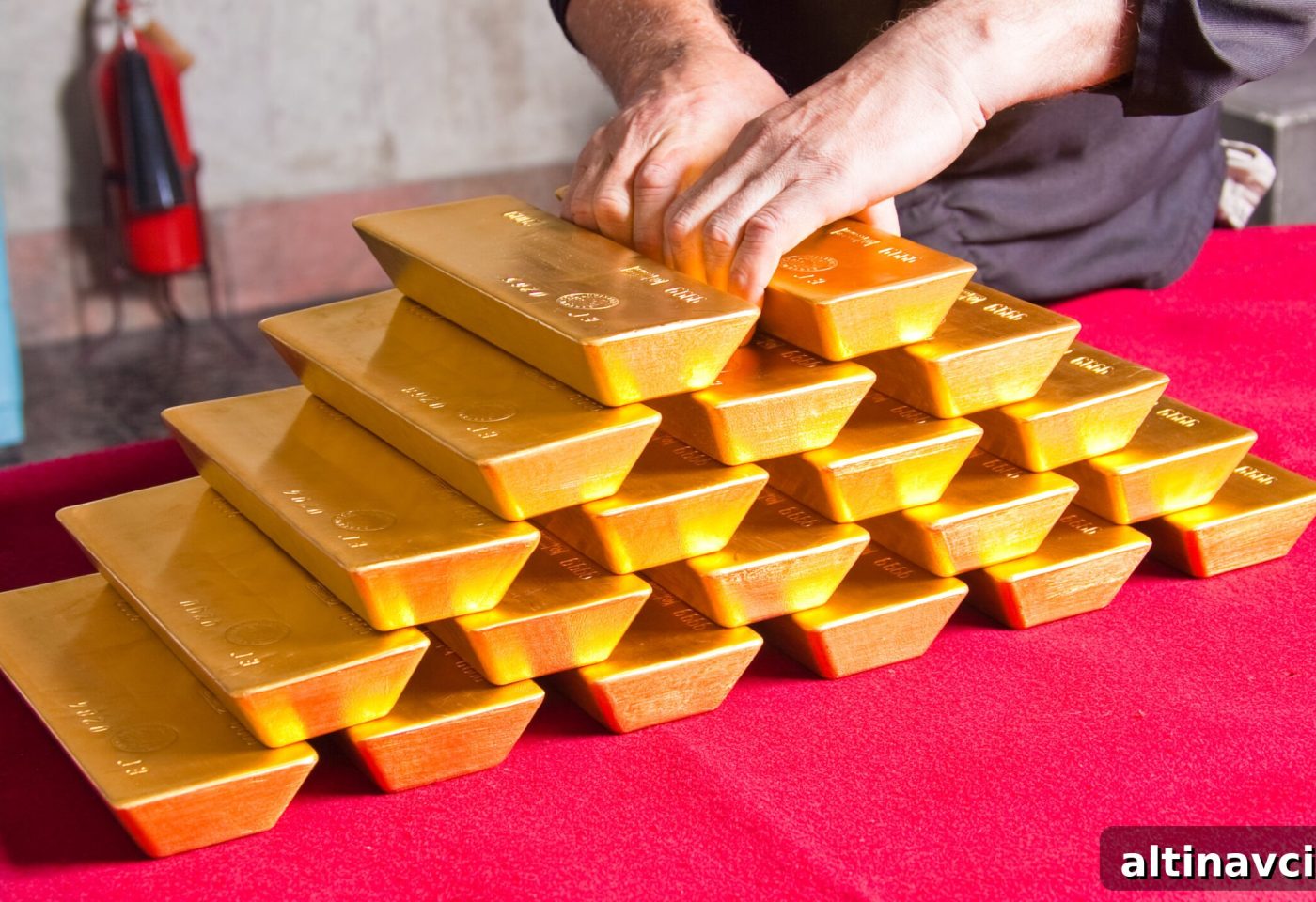
Gold Tests Key Level at $3,351/oz as Tariff Shock Widens COMEX-London Gap
Gold is testing a critical technical level at $3,351 per ounce. A decisive move above that threshold would be interpreted by many market participants as confirmation that the prevailing uptrend remains intact, while failure to hold above it could signal a period of consolidation or increased volatility. Last week delivered a blend of market signals: the introduction of fresh tariffs, cautious policy moves from the Bank of England and the Reserve Bank of India, and a softer tone in some US economic indicators. At the same time, robust corporate earnings supported equity markets, adding nuance to the macro picture.
The most disruptive development was an unprecedented price gap between COMEX gold futures and London spot prices. That gap emerged after the United States imposed new 39% tariffs on certain exports from Switzerland. Because Switzerland is the hub for much of the world’s gold refining and processing, the tariff announcement created immediate uncertainty about the customs and tax treatment of refined bars — including commonly traded formats such as 1 kilogram and 100-ounce bars. The lack of clear exemption language for these bars produced sharp price dislocations as market participants reassessed the cost and logistics of moving physical metal between trading hubs.
In practical terms, the tariff-driven uncertainty interfered with the usual relationship between futures contracts traded on COMEX and the physical spot market centered in London. Traders who normally rely on the seamless conversion of futures positions into physical metal faced questions about delivery, import duties and potential additional costs. That uncertainty widened the spread between futures and spot prices, creating a rare divergence that highlighted how policy and regulatory changes can quickly affect market plumbing.
The White House has indicated it will provide clarification on how the new tariff rules apply to refined gold shipments, and that guidance should help restore routine pricing relationships. Clear, timely clarification is important because it reduces ambiguity around transaction costs and compliance, allowing dealers, refiners and arbitrageurs to resume normal operations. Until that clarification is issued and its implications fully understood, some degree of volatility and pricing dislocation is likely to linger in markets that rely on cross-border flows of physical metal.
Despite the disruption in the gold market, global equities showed resilience last week as strong corporate earnings reports supported risk appetite. At the same time, the dollar weakened, which typically provides some support for dollar-priced commodities including gold. Central banks in the UK and India made measured, cautious policy moves, reflecting a broader environment in which policymakers are balancing inflation, growth prospects and financial stability. In the United States, a softer set of economic data contrasted with corporate strength, adding further complexity to traders’ assessments of rates, currencies and safe-haven demand.
For investors and traders, the immediate focal point remains the $3,351/oz level. A sustained break above it would reinforce bullish momentum that has been evident in recent months. Conversely, if the metal fails to clear or hold above that mark, market participants could see increased range-bound trading as the industry waits for regulatory clarity and more definitive macro signals. In the meantime, volatility could persist given the unusual divergence between futures and spot prices and the potential for rapid shifts in cross-border flows once tariff guidance is clarified.
In summary, the gold market is navigating an atypical shock driven by trade policy ambiguity that has temporarily distorted the link between COMEX futures and London spot pricing. Regulatory clarification from Washington is expected to ease those distortions, but until then traders should be prepared for elevated volatility. Broader influences — including central bank decisions, incoming economic data and corporate earnings — will continue to shape the outlook for gold and other asset classes as markets digest both policy developments and underlying fundamentals.
Popular Topics
Picked from the archive
-
01
 Topics
U.S. Jobs Surge Dims Chances of July Fed Rate Cut
-
02
Topics
Trump Imposes 50% Copper Tariff, Global Markets Reeling
-
03
Topics
Tariffs Drive Up Consumer Prices as Inflation Rises
-
04
Topics
Trump’s Big Beautiful Bill Clears House; Senate Vote Looms
-
05
Topics
Treasury Yields Jump After May Inflation Tops Estimates at 2.7%
-
06
Topics
Trump Threatens 100% Tariff on Chips to Revive U.S. Manufacturing
-
07
Topics
When Should You Start a Precious Metals IRA?
-
08
Topics
Cryptocurrency Prices Slide as Investors Exit Risk Assets