Depression-Era Tariffs Keep 10-Year Treasury Yields High
Reuters Survey: U.S. Treasury Yields to Diverge as Long-Term Rates Rise and Short-Term Rates Fall
A Reuters survey of nearly 50 bond strategists indicates that U.S. Treasury yields are poised to diverge over the coming year, with longer-term borrowing costs edging higher while short-term yields decline. The projected split in the Treasury market reflects a complex mix of persistent inflation concerns, heavy government debt issuance and market expectations for Federal Reserve policy easing after softer employment data.
10-Year Treasury: Modest Rise, Continued Pressure from Inflation and Supply
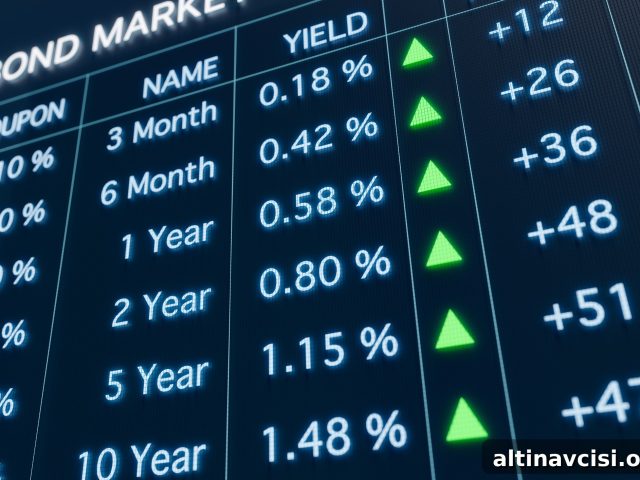
The 10-year Treasury yield, which recently stood around 4.27%, is expected by many strategists to rise slightly to about 4.30% and to remain near that level through the next year. Analysts cited two principal drivers behind the higher long-term rate outlook: ongoing inflationary pressures—exacerbated in part by tariffs that are now at their highest levels since the Great Depression—and a significant increase in government debt issuance to finance fiscal needs. Together, those factors can sustain upward pressure on longer-term yields as investors demand compensation for both inflation risk and larger supply of bonds.
Even a modest rise in the 10-year rate can have broad implications across financial markets because the 10-year Treasury often serves as a benchmark for mortgage rates, corporate borrowing costs and other interest-sensitive sectors of the economy. With inflation expectations and supply considerations underpinning long-term yields, market participants are watching for signs that nominal rates may settle at a higher plateau than they were earlier in the cycle.
2-Year Treasury: Expectations for Rate Cuts Push Short-Term Yields Lower
By contrast, the 2-year Treasury yield is projected to fall significantly over the next year, with the survey’s consensus pointing to a decline toward roughly 3.50%. That drop reflects market pricing for Federal Reserve rate cuts as investors digest signs of weaker employment and slower near-term growth. Short-term yields are especially sensitive to anticipated central bank action, and when markets increasingly expect easing, short-term Treasury yields tend to move down to reflect lower future policy rates.
Because the 2-year yield is closely tied to expectations about the Fed’s policy path, a meaningful reduction in the 2-year rate signals that investors are forecasting an easing cycle or at least a tilt toward less restrictive monetary policy ahead. That change in the short end of the curve contrasts with the forces keeping the long end elevated.
Yield Curve Steepening: Wider Gap Between 2-Year and 10-Year Yields
The combined effect of rising long-term yields and falling short-term yields will steepen the U.S. Treasury yield curve, according to the Reuters survey. Strategists expect the spread between the 2-year and 10-year yields to widen from about 50 basis points today to roughly 80 basis points over the next year. A steepening yield curve typically signals that investors foresee stronger growth or higher inflation further out, or that short-term monetary policy will loosen while longer-term inflation pressures persist.
For investors and policymakers, a steeper curve can carry mixed signals. On one hand, it may reflect improving growth prospects after a period of weakness; on the other, it can indicate that inflation risks remain prominent enough to keep long-term rates elevated. Corporations, mortgage borrowers and financial institutions all monitor curve dynamics closely because shifts influence borrowing costs, lending margins and investment decisions.
Market Outlook and Key Risks
Overall, the Reuters survey captures a nuanced market outlook: strategists expect the Federal Reserve to respond to softer employment and other near-term data with rate reductions that push short-term yields lower, even as persistent inflationary pressures and heavy government debt issuance sustain relatively higher long-term yields. The path of tariffs and fiscal issuance, as well as incoming economic data on inflation and labor markets, remain key risks that could push yields in either direction.
Investors watching U.S. Treasury yields should be prepared for a period in which different parts of the curve move in opposite directions, with the potential for broader implications across borrowing costs, fixed-income portfolios and financial conditions generally.
Popular Topics
Picked from the archive
-
01
 Topics
Gold Prices Slip as Tariff Tensions Rattle Markets
-
02
Topics
Silver Price Forecast 2025: Will Silver Reach $40?
-
03
Topics
Private Job Growth Drops to 2-Year Low, Treasury Yields Plunge
-
04
Topics
Japan Election Promises and Tariff Fears Rattle Bond Market
-
05
Topics
Gold Hits Five-Week High on Trade Uncertainty, Weak Dollar
-
06
Topics
Why U.S. Treasuries Are No Longer a Crisis Safe Haven
-
07
Topics
Gold Prices Rise Ahead of Fed Minutes, Key Economic Data
-
08
Topics
Why Trump Can’t Reverse Interest Rate Hikes Despite Fed Pressure