Gold Prices Fall Over 1% Amid Tariff Uncertainty and Peace Talks
Gold Retreats After Tariff Reports and Easing Geopolitical Fears
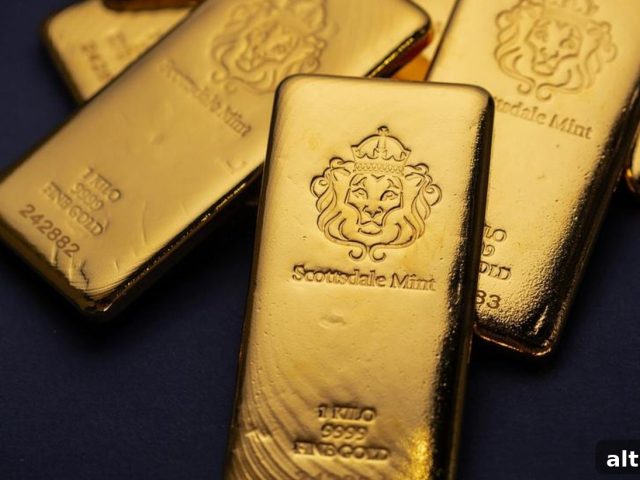
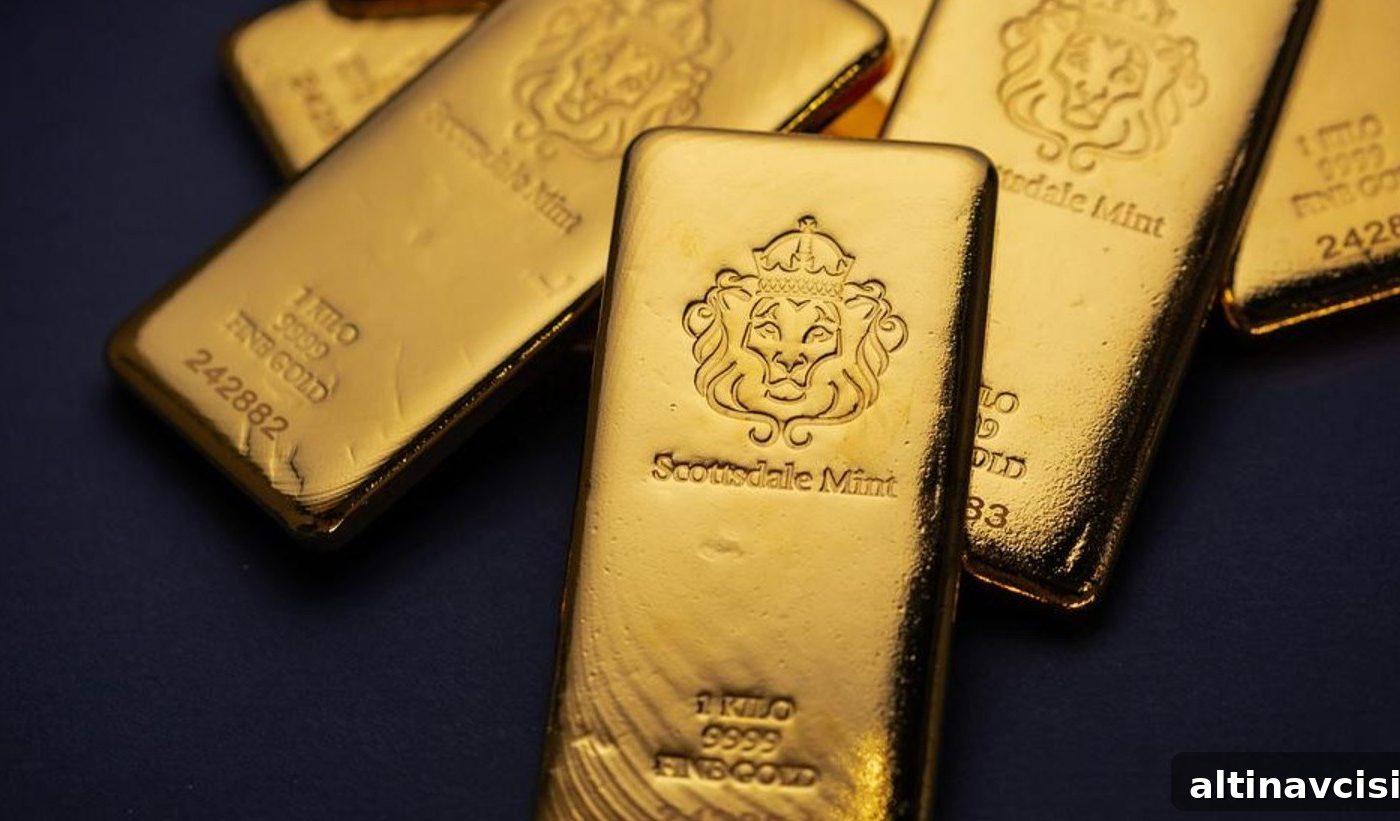
Gold prices pulled back sharply on Monday, tumbling 1.4% to $3,350.94 per ounce after hitting recent highs above $3,400. The drop reflected a combination of market reaction to reports about proposed U.S. tariffs on 1 kg gold bullion imports and a reduction in safe-haven demand as geopolitical tensions showed signs of easing. Traders also appear to be positioning ahead of key inflation data that could influence the Federal Reserve’s outlook and, by extension, gold’s near-term trajectory.
Tariff Reports and White House Response
Initial headlines suggesting that the United States might introduce tariffs on certain gold bullion imports triggered an immediate market response. Such reports can prompt rapid reevaluation of supply, demand and trading flows for physical gold and bullion products. However, the White House moved to calm markets by saying it would provide clarification through an executive order, and the market subsequently began to unwind some of its initial reaction. The resulting volatility underscores how policy signals — even preliminary ones — can influence precious metals prices.
Geopolitical Developments and Safe-Haven Flows
At the same time, easing geopolitical tensions helped diminish gold’s attraction as a refuge for risk-averse investors. Expectations of a potential Ukraine-Russia peace deal, and related reports suggesting de-escalation, reduced immediate safe-haven buying. Gold traditionally benefits when investors seek protection from heightened geopolitical or economic uncertainty; conversely, signs of reduced conflict or greater stability can drain that demand and weigh on prices.
Inflation Data and Federal Reserve Outlook
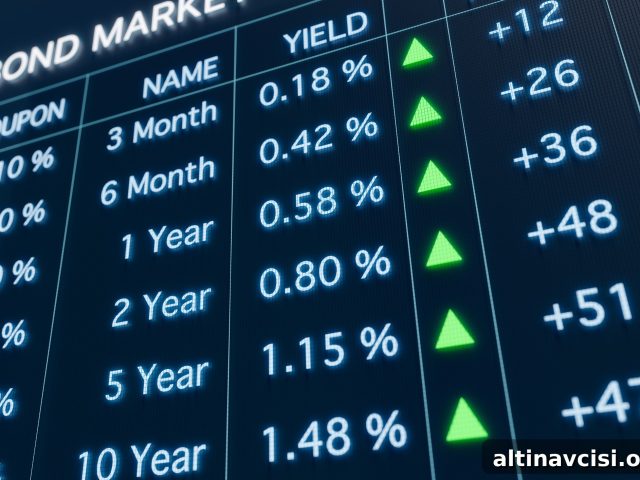
Market participants are now turning their focus to Tuesday’s consumer price index (CPI) release. Inflation figures remain a central driver for expectations about Federal Reserve policy. If CPI comes in lower than anticipated, traders may view that as bolstering the case for eventual Fed rate cuts. Lower policy rates and reduced real yields are generally supportive for gold because they lower the opportunity cost of holding non-yielding assets and can weaken the U.S. dollar. Conversely, hotter-than-expected inflation would likely strengthen the case for higher rates or a slower pace of easing, which could continue to pressure gold prices.
Technical and Psychological Levels
The $3,400 level has emerged as a psychological benchmark for the market. Having recently breached that threshold, gold’s pullback to the mid-$3,300s highlights both the prevailing volatility and the sensitivity of prices to headline news. Traders and investors will be watching whether the CPI print and subsequent Fed commentary revive bullish momentum and push gold back above $3,400, or whether continued policy uncertainty and improved risk appetite will keep prices under pressure.
What Investors Are Watching
In the near term, the gold market is likely to be driven by a mix of macroeconomic releases, central bank language, and evolving geopolitical developments. Key items on investors’ radar include the CPI report, any further clarification from U.S. policymakers on tariff intentions, and updates on the diplomatic situation in Eastern Europe. Market participants will also monitor currency moves and real yields, which often correlate with precious metals performance.
In summary, Monday’s sharp drop in gold reflected an unwinding of initial tariff-driven reactions and lower safe-haven demand as geopolitical risks appeared to ease. Attention has now shifted to upcoming inflation data and Fed policy implications, which will be decisive for whether gold reasserts gains above the $3,400 mark or remains vulnerable to further downside.
Popular Topics
Picked from the archive
-
01
 Topics
Gold Prices Slip as Tariff Tensions Rattle Markets
-
02
Topics
Silver Price Forecast 2025: Will Silver Reach $40?
-
03
Topics
Private Job Growth Drops to 2-Year Low, Treasury Yields Plunge
-
04
Topics
Japan Election Promises and Tariff Fears Rattle Bond Market
-
05
Topics
Gold Hits Five-Week High on Trade Uncertainty, Weak Dollar
-
06
Topics
Why U.S. Treasuries Are No Longer a Crisis Safe Haven
-
07
Topics
Gold Prices Rise Ahead of Fed Minutes, Key Economic Data
-
08
Topics
Why Trump Can’t Reverse Interest Rate Hikes Despite Fed Pressure