Trump Threatens 100% Tariff on Chips to Revive U.S. Manufacturing
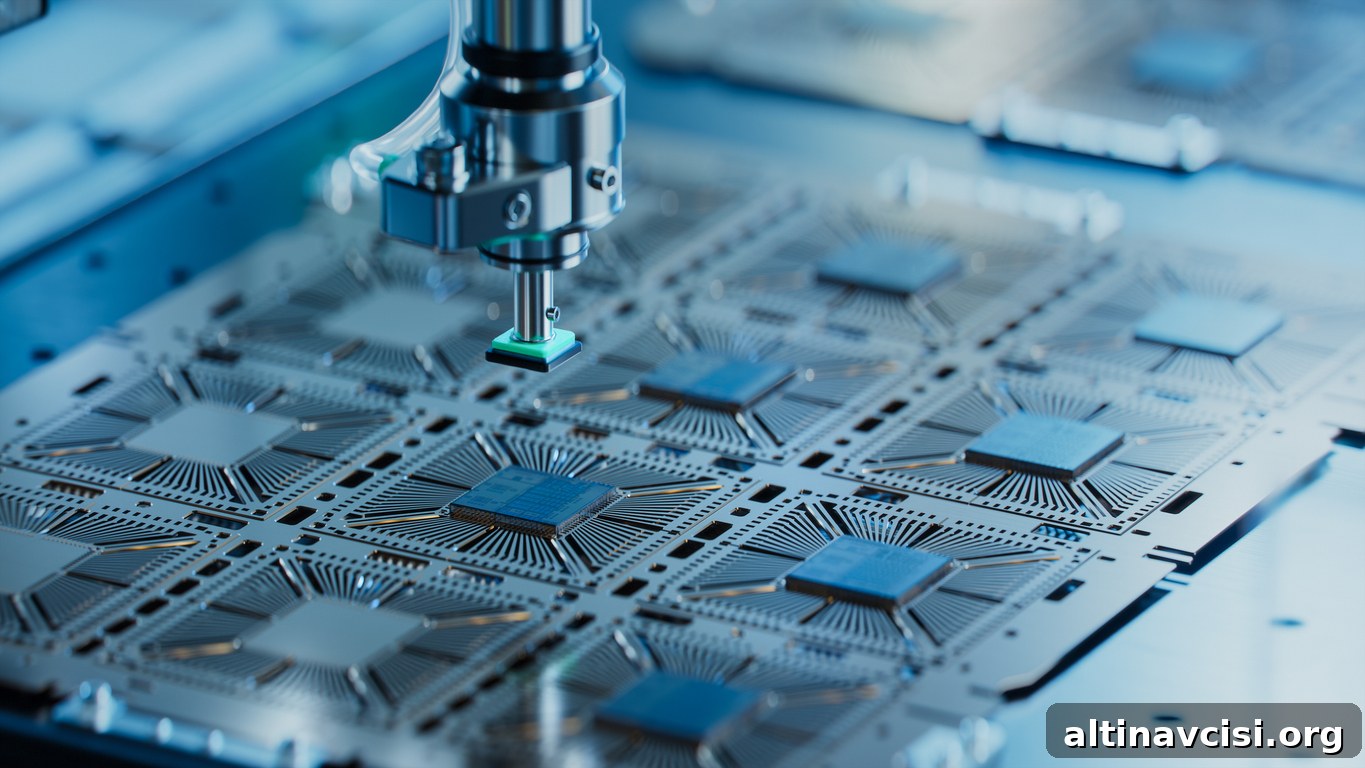
President Trump’s 100% Tariff on Imported Computer Chips: Potential Effects on U.S. Manufacturing and Prices
President Trump announced a sweeping 100% tariff on imported computer chips, a move intended to encourage technology companies to relocate more of their manufacturing to the United States. The tariff applies only to chips brought into the country from abroad; domestic production is explicitly exempt. That exemption has already helped reinforce investor and corporate confidence in companies such as Apple and Nvidia, which have publicly committed major investments in U.S.-based production facilities.
Purpose and Immediate Impact
The stated purpose of the tariff is to strengthen domestic manufacturing by making imported chips significantly more expensive relative to those produced on U.S. soil. By doubling the cost of imported silicon components, policymakers aim to create a strong financial incentive for chipmakers and original equipment manufacturers (OEMs) to consider shifting assembly, packaging, or wafer fabrication back to American factories. For firms that have announced plans to build or expand U.S. facilities, the tariff reduces competitive pressure from lower-cost foreign suppliers and supports the business case for investing at home.
Benefits for Domestic Industry
Supporters of the policy argue that a higher tariff could help rebuild parts of the domestic semiconductor ecosystem. Increased onshore manufacturing may lead to more predictable supply lines for critical components, potentially improving national resilience and reducing strategic vulnerabilities that come with concentrated production overseas. For workers, renewed investment in chip fabrication and related industries could mean new jobs and higher wages in certain regions. For companies that have already committed capital to U.S. production, the tariff may lower the relative cost disadvantage they would otherwise face competing with imported goods.
Risks: Higher Consumer Prices and Inflationary Pressure
At the same time, the tariff carries clear risks. Computer chips are fundamental inputs for a vast range of products, from smartphones and personal computers to automobiles, household appliances, and industrial equipment. A 100% increase in the cost of imported chips has the potential to push up manufacturing costs across multiple sectors. Those added costs could be passed along to consumers in the form of higher prices for electronics, vehicles, and everyday household goods, contributing to broader inflationary pressure in the economy.
Consumers and businesses might therefore face higher prices in both the short and medium term. Some manufacturers could attempt to absorb additional costs, reducing profit margins, while others may tighten production, delay product launches, or seek cost savings in other areas. In sectors with thin margins or intense global competition, businesses could be forced to change pricing strategies or production plans, which might lead to slower growth or reduced investment in other areas.
Supply Chain Challenges and Market Reactions
Beyond direct price effects, the tariff could create new supply chain complexities. Companies that rely on global sourcing networks may need time to reconfigure suppliers, qualify new domestic parts, or scale up U.S. production capacity. Such transitions are neither immediate nor simple; they involve capital expenditures, workforce training, regulatory approvals, and logistical planning. During transition periods, shortages or mismatches between demand and supply could occur, producing temporary disruptions for manufacturers and consumers alike.
Market confidence in businesses that have already signaled U.S. investments may improve, as the tariff strengthens the incentive to retain or expand domestic operations. At the same time, companies without existing U.S. footprints will face difficult choices about whether to absorb higher import costs, pass them on to customers, or invest in domestic alternatives.
Conclusion
The 100% tariff on imported computer chips is a bold policy designed to accelerate the return of semiconductor manufacturing to the United States by making imported components substantially more expensive. While the carve-out for domestically produced chips has supported confidence among firms that are already investing in U.S. capacity, the measure also risks raising prices for a wide range of products and creating short-term supply chain challenges. The ultimate outcome will depend on how quickly domestic production can scale, how firms adapt their sourcing strategies, and how consumers and markets respond to changing costs.
Popular Topics
Picked from the archive
-
01
 Topics
Gold Prices Slip as Tariff Tensions Rattle Markets
-
02
Topics
Silver Price Forecast 2025: Will Silver Reach $40?
-
03
Topics
Private Job Growth Drops to 2-Year Low, Treasury Yields Plunge
-
04
Topics
Japan Election Promises and Tariff Fears Rattle Bond Market
-
05
Topics
Gold Hits Five-Week High on Trade Uncertainty, Weak Dollar
-
06
Topics
Why U.S. Treasuries Are No Longer a Crisis Safe Haven
-
07
Topics
Gold Prices Rise Ahead of Fed Minutes, Key Economic Data
-
08
Topics
Why Trump Can’t Reverse Interest Rate Hikes Despite Fed Pressure