White House Weighs Fed Vacancy as Trump Seeks Rate Cuts
Trump Administration Considers Temporary Appointment After Fed Governor Adriana Kugler Resigns
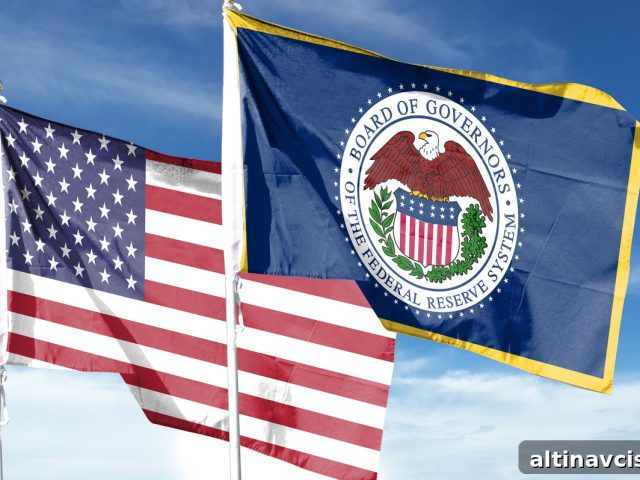
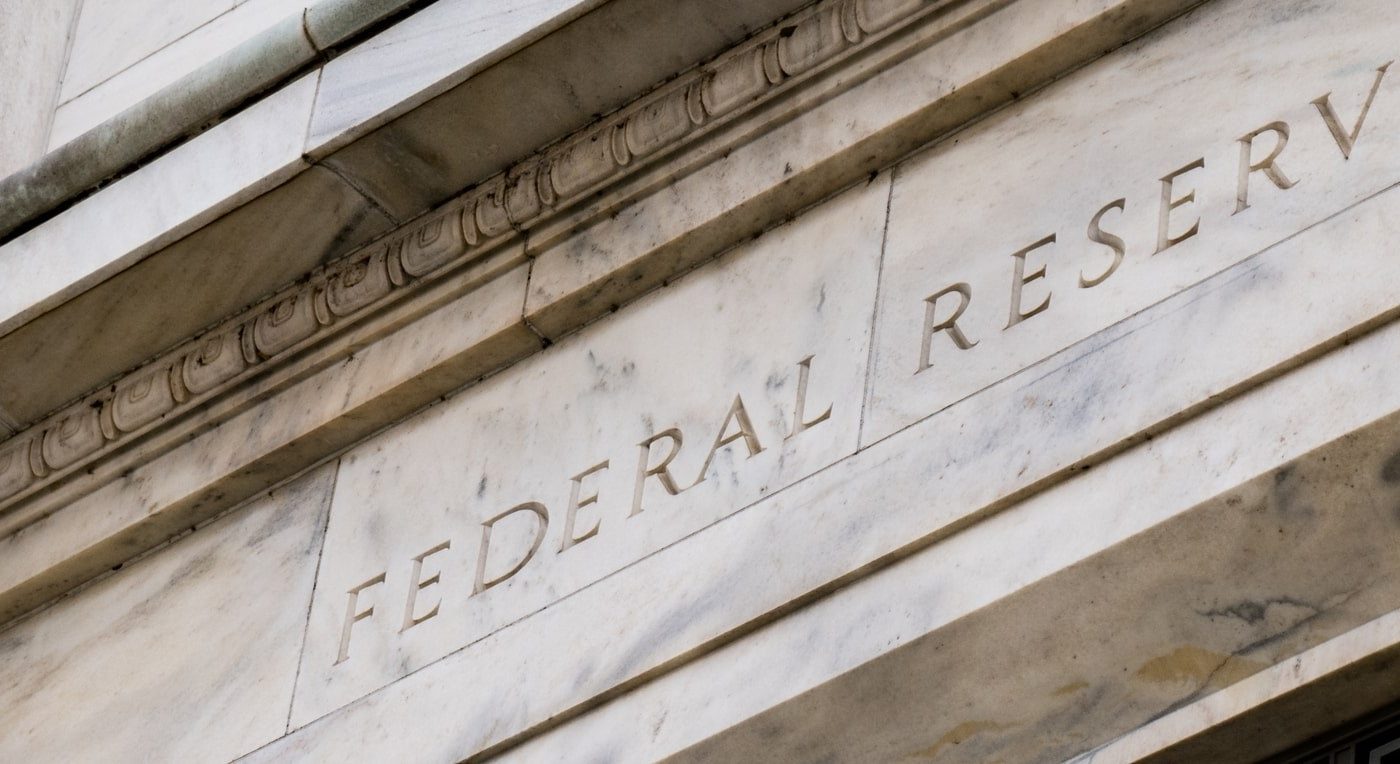
The Trump administration is weighing options to influence the Federal Reserve’s direction after Fed Governor Adriana Kugler announced she will step down early. With five months remaining on Kugler’s term, the White House is reportedly considering a temporary appointment to fill the vacancy, a move that could have immediate implications for monetary policy at a time of growing economic uncertainty.
What the Vacancy Means for the Federal Reserve Board
A vacancy on the Federal Reserve’s board reduces the number of sitting governors who vote on critical policy decisions. The timing of Kugler’s early departure creates a short window during which a new governor could be installed without waiting for a full-term replacement process. The White House’s plan for a temporary appointment appears aimed at shaping the Fed’s decision-making in the near term, as the central bank confronts slowing growth and inflation dynamics that remain uncertain.
President Trump’s Stance on Interest Rates
President Trump has been vocal about his desire for lower interest rates, frequently criticizing the Fed for keeping policy steady rather than easing. He believes rate cuts would help stimulate a slowing U.S. economy, and the administration’s approach to filling Kugler’s seat could reflect that priority. Any appointment, even a temporary one, may shift the balance among policymakers who set interest rates and other key tools used to manage economic growth and inflation.
Potential Policy Implications
Although a single temporary appointee cannot unilaterally change policy, each Fed governor’s vote contributes to the board’s consensus. Possible implications of a short-term appointment include:
- Shifts in the board’s voting dynamics that could influence expectations about future rate decisions.
- Market reactions to perceived changes in the Fed’s tilt toward easing or tightening monetary policy.
- Short-term signaling that may alter businesses’ and consumers’ borrowing and investment behavior.
These effects would depend on the views and public statements of any appointee, as well as how the Federal Open Market Committee (FOMC) interprets incoming economic data. The Fed’s decisions are data-driven and involve coordination among governors and regional Fed presidents; a temporary governor’s influence would be exercised within that broader institutional framework.
Succession Considerations and 2026 Outlook
Beyond filling the remaining months of Kugler’s term, the White House’s choices could also be read as preparatory steps ahead of a future leadership transition. The article referenced the possibility that decisions now could affect who might succeed Fed Chair Jerome Powell in 2026. While that succession remains a separate and future process, short-term appointments and the message they send can influence longer-term expectations about the Fed’s policy orientation.
Appointment Process and Political Context
Federal Reserve governors are nominated by the President and confirmed by the Senate. A temporary appointment to fill a short remaining term is an executive decision that can carry political implications, especially when monetary policy is a central topic of public debate. The administration’s approach to this vacancy will be watched closely by lawmakers, economists, and market participants who monitor how appointments may alter the Fed’s approach to interest rates, inflation, and economic growth.
What to Watch Next
Key developments to follow include any formal announcement of a temporary appointee, the nominee’s stated views on monetary policy, and how markets interpret the move. Observers will also monitor upcoming economic data—such as employment, consumer spending, and inflation readings—that inform the Fed’s policy deliberations. Ultimately, while a short-term appointment can nudge the board’s composition, the Federal Reserve operates through institutional processes that weigh both incoming data and broader economic conditions.
As the situation develops, clarity about the administration’s intentions and the Fed’s response will be essential for understanding the likely trajectory of U.S. monetary policy in the months ahead.
Popular Topics
Picked from the archive
-
01
 Topics
Gold Prices Slip as Tariff Tensions Rattle Markets
-
02
Topics
Silver Price Forecast 2025: Will Silver Reach $40?
-
03
Topics
Private Job Growth Drops to 2-Year Low, Treasury Yields Plunge
-
04
Topics
Japan Election Promises and Tariff Fears Rattle Bond Market
-
05
Topics
Gold Hits Five-Week High on Trade Uncertainty, Weak Dollar
-
06
Topics
Why U.S. Treasuries Are No Longer a Crisis Safe Haven
-
07
Topics
Gold Prices Rise Ahead of Fed Minutes, Key Economic Data
-
08
Topics
Why Trump Can’t Reverse Interest Rate Hikes Despite Fed Pressure