Record Gold Floods Shanghai as Traders Exploit Futures Arbitrage

Record Gold Inflows into Shanghai Futures Exchange Driven by Arbitrage and Strong Demand
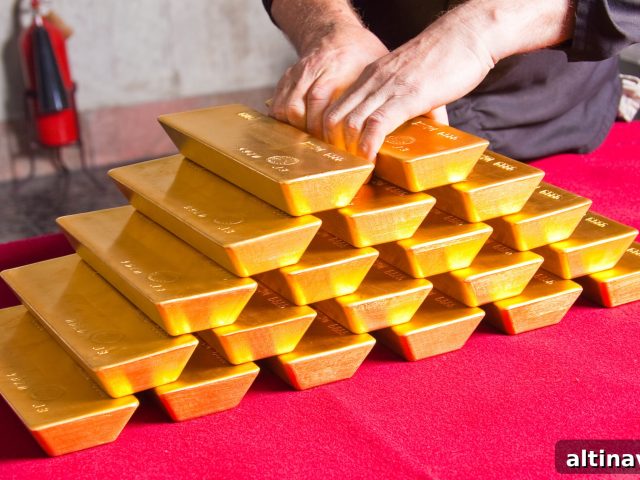
Gold deliveries into warehouses linked to the Shanghai Futures Exchange have surged to an unprecedented level as market participants take advantage of a persistent price gap between futures contracts and spot bullion. With futures trading at a premium, banks, dealers and traders are registering and delivering physical gold to the exchange to profit from an arbitrage opportunity created by strong speculative interest in the contracts.
The flow of physical gold into registered warehouses is an important barometer of market activity and liquidity in China’s onshore gold market. According to market observers, more than 36 tons of gold have been registered for delivery—nearly double last month’s total—highlighting a marked increase in the amount of metal moving into exchange-controlled storage. This wave of deliveries reflects both tactical trading behavior and broader demand dynamics for physical gold in the country.
Why Traders Are Delivering Physical Gold
The current dynamic arises when futures prices trade at a premium over the spot market. Traders buy cheaper spot bullion and then either sell or take delivery against higher-priced futures contracts, locking in a margin known as arbitrage. When the futures premium is large enough to cover carrying costs, storage, and transaction fees, it becomes economically attractive for banks and trading houses to source physical bars and move them into exchange warehouses for delivery.
In this instance, strong speculative demand for gold futures has widened the premium, prompting a surge in registered deliveries. Market participants engaging in this activity are effectively converting spot gold into the exchange’s delivery-grade metal and capturing the pricing differential between the two markets.
What Market Experts Are Saying
World Gold Council strategist John Reade noted that the trend reflects “how strong gold trading demand is in China right now.” Reade’s observation underscores the role of active trading desks and institutional participants in driving both futures volumes and the physical flows required to satisfy delivery obligations.
Those flows come despite a reported sharp drop in jewelry sales in the previous quarter. While retail demand for jewelry has softened, demand for investment-grade products—bars, coins, and futures—remains robust. This divergence suggests that consumers and investors may be shifting toward forms of gold perceived as more liquid or better suited for storing wealth amid uncertainty.
Implications for the Onshore Gold Market
The record inflows into Shanghai’s exchange warehouses have several notable implications. First, they signal active engagement by market participants in arbitrage and delivery strategies that help anchor price relationships between onshore and offshore markets. Second, the movement of physical metal into registered storage increases available exchange inventory, which can support liquidity and facilitate further trading and deliveries.
Finally, sustained deliveries and high trading interest indicate that China’s appetite for gold as an investment vehicle remains substantial. Whether driven by hedging, speculative strategies, or portfolio diversification, the continued flow of metal into exchange warehouses is a clear sign of strong engagement with gold as a financial asset.
Looking Ahead
Market watchers will be closely monitoring futures premiums, warehouse registrations and delivery volumes to gauge whether the recent spike in inflows represents a short-term arbitrage cycle or a more sustained increase in onshore physical demand. For now, the combination of elevated futures premiums and persistent investor interest has produced a notable uptick in deliveries, reflecting the complex interplay between price incentives and physical supply in China’s gold market.
As trading conditions evolve, the relationship between spot and futures prices, the level of speculative participation and the availability of deliverable metal will remain key determinants of flows into exchange warehouses and the overall health of the onshore gold market.
Popular Topics
Picked from the archive
-
01
 Topics
Fed Minutes Signal Deepening Concern Over Persistent Inflation
-
02
Topics
Fed Inflation Gauge Falls to 2.1% as Consumer Spending Slows
-
03
Topics
Gold Rises Friday but Posts Weekly Loss After Inflation Shock
-
04
Topics
Profit-Taking Pauses Gold Near $3,380 Amid Trade Policy Fears
-
05
Topics
U.S. Gas Prices Fall to 12-Month Low Despite Heat; Storage Up 6%
-
06
Topics
Russian Central Bank Cuts Rates by 2% as Inflation Slows
-
07
Topics
Texas to Recognize Gold and Silver as Legal Tender in 2027
-
08
Topics
Gold Price Climbs 30% YTD Amid Economic Uncertainty