Gold Holds After Two-Day Rally on Weak US Jobs Report
Gold Prices Stabilize After Rally Fueled by Soft U.S. Jobs Report
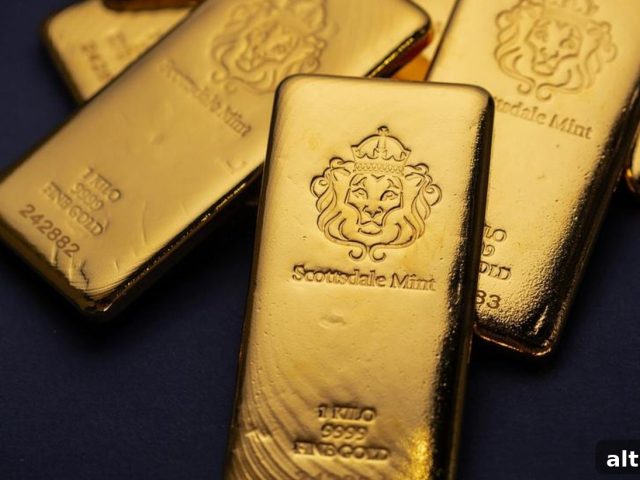
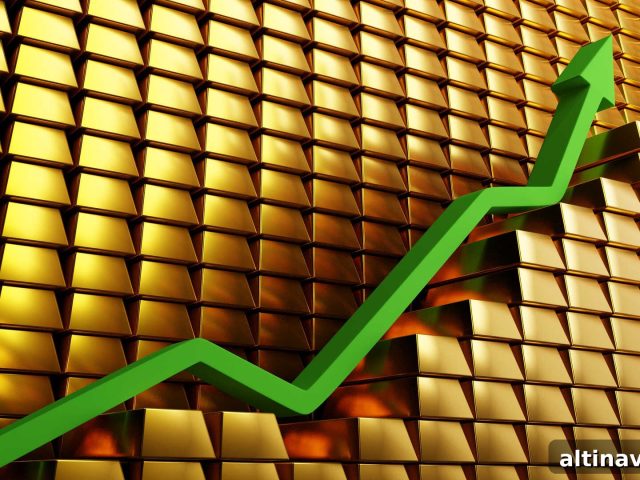
Gold prices held steady following a two-day rally that was driven in large part by weaker-than-expected U.S. employment data. The softer labor-market report amplified expectations that the Federal Reserve may cut interest rates as early as September, prompting investors to reassess positions in precious metals and other assets sensitive to monetary policy.
Spot gold traded near $3,353 per ounce, down about 0.6% from recent highs, while U.S. gold futures ticked up 0.2% to $3,407.10. The employment numbers increased the market’s probability of a September rate cut, with traders putting the likelihood at roughly 93%, a key factor supporting bullish sentiment for bullion.
Why Weak Jobs Data Matters for Gold
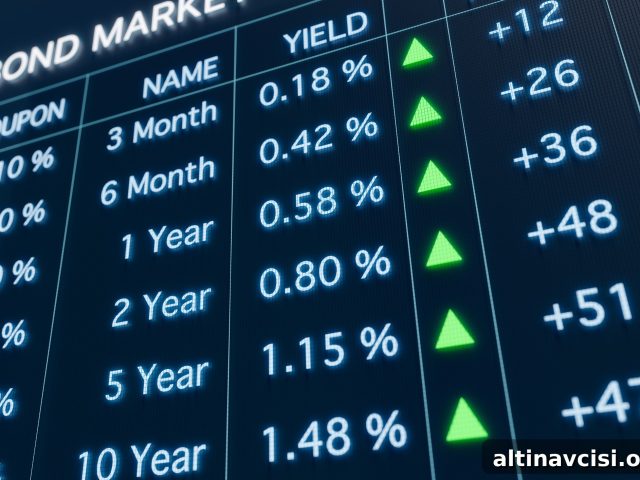
Gold is particularly responsive to shifts in expectations about interest rates and real yields. When employment data comes in softer than anticipated, investors often expect central banks to ease policy to support growth, which can reduce real interest rates and lower the opportunity cost of holding non-yielding assets like gold. In this context, the recent U.S. jobs report reinforced the narrative that monetary policy could become more accommodative, helping propel gold higher over the short term.
Key Drivers Behind the Year-to-Date Gains
Gold has risen nearly 30% year to date. Several broad themes have supported this advance:
- Geopolitical tensions and regional conflicts that have increased safe-haven demand.
- Ongoing trade disputes and economic uncertainty, which encourage portfolio diversification into precious metals.
- Central bank purchasing from some countries seeking to augment foreign reserves and reduce reliance on single currencies.
- Market expectations of lower interest rates, which tend to make gold more attractive relative to interest-bearing assets.
Market Outlook and Analyst Views
Investor sentiment remains cautiously optimistic, though near-term price action may experience pullbacks and consolidation as traders digest economic data and central bank commentary. Some analysts have suggested gold could reach $4,000 per ounce by the end of next year if current trends—such as continued geopolitical risk, robust central bank buying, and a lower rate environment—persist. These projections are conditional and sensitive to changes in economic indicators, policy decisions, and global events.
What Investors Should Consider
For investors weighing exposure to gold, several factors are important to monitor:
- Upcoming economic releases and employment reports that could alter Fed expectations.
- Central bank announcements and purchases, which can materially affect supply and demand dynamics.
- Geopolitical developments that might trigger safe-haven flows into bullion.
- Movements in real yields and the U.S. dollar, both of which influence gold’s price trajectory.
Overall, the recent stabilization in gold prices after a sharp rally reflects a market adjusting to a softer U.S. labor backdrop and heightened expectations for monetary easing. While near-term volatility is likely as participants react to fresh data and policy signals, the broader combination of macroeconomic uncertainty, central bank activity, and safe-haven demand continues to underpin interest in gold as a strategic portfolio asset.
Popular Topics
Picked from the archive
-
01
 Topics
Gold Prices Slip as Tariff Tensions Rattle Markets
-
02
Topics
Silver Price Forecast 2025: Will Silver Reach $40?
-
03
Topics
Private Job Growth Drops to 2-Year Low, Treasury Yields Plunge
-
04
Topics
Japan Election Promises and Tariff Fears Rattle Bond Market
-
05
Topics
Gold Hits Five-Week High on Trade Uncertainty, Weak Dollar
-
06
Topics
Why U.S. Treasuries Are No Longer a Crisis Safe Haven
-
07
Topics
Gold Prices Rise Ahead of Fed Minutes, Key Economic Data
-
08
Topics
Why Trump Can’t Reverse Interest Rate Hikes Despite Fed Pressure