OPEC Plus Surge Drops Oil Prices 1.2% Despite Russia Sanctions
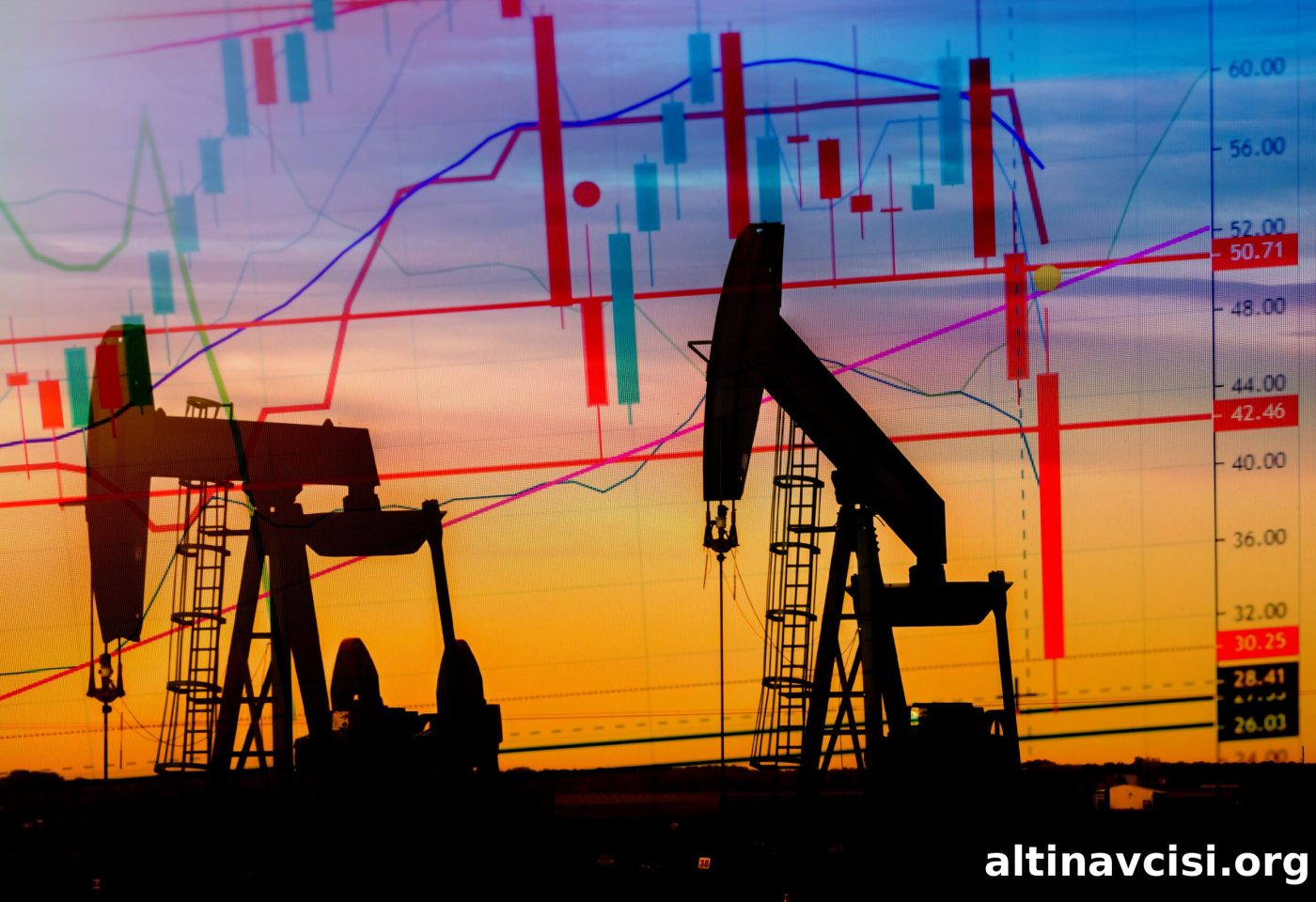
Oil Prices Fall After OPEC+ Announces Production Increase; Market Nervous Over Tariff Threats
Oil prices slipped more than 1% on Monday after OPEC+ confirmed plans to raise production by 547,000 barrels per day in September, a move that signals a continued effort by the group to regain market share. Brent crude eased to $68.82 per barrel while U.S. West Texas Intermediate (WTI) fell to $66.51 per barrel, reversing part of the impact from earlier voluntary cuts totaling 2.5 million barrels per day.
OPEC+ Decision and Market Impact
The announcement by OPEC+ that it will add 547,000 barrels per day to supply in September effectively rolls back a portion of previous restraint measures. That prior reduction, amounting to 2.5 million barrels per day, had been intended to tighten the market. The shift toward increased output appears designed to reclaim market share amid evolving global demand patterns.
Market participants reacted quickly to the news, pushing benchmark crude prices lower. The decline reflects the interplay between additional announced supply and lingering demand uncertainties. Traders and analysts are weighing how the extra barrels will affect global inventories and whether refiners will be able to absorb the incremental crude without pushing prices lower over the coming weeks.
Geopolitical Risks: Tariff Threats and Russian Supply
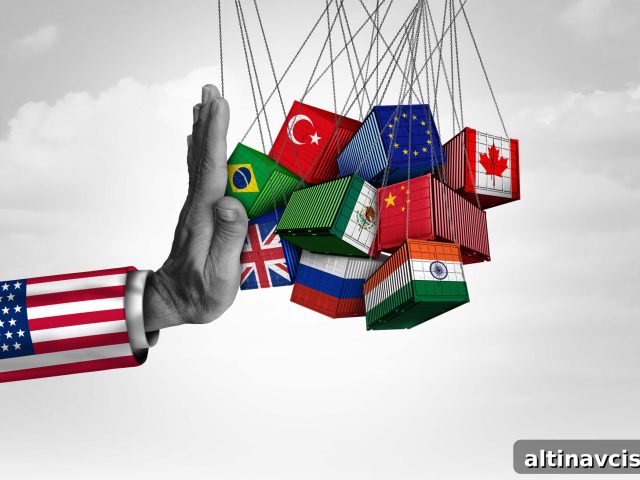
At the same time, markets remain sensitive to geopolitical developments. U.S. President Donald Trump’s threat of 100% secondary tariffs on buyers of Russian oil has introduced a significant element of uncertainty. That action, if enacted, could potentially influence up to 1.7 million barrels per day of supply, according to reports that have circulated in the market. Such sanctions risks tend to support prices by tightening the available pool of crude, but they also create volatility as traders reassess access to different supply sources.
India has indicated it intends to continue purchasing Russian crude despite the warnings, a stance that highlights the complex global dynamics underpinning oil trade. Buyers and sellers are considering legal, logistical and commercial implications, and such decisions will factor into how supplies move across regions in the near term.
What This Means for Market Participants
For producers, the OPEC+ increase is a signal that some members are prioritizing volume and market share. For refiners and traders, the additional barrels may offer more feedstock at competitive prices, but they must monitor demand trends and inventory levels closely. For consumers, changes in wholesale prices can eventually be reflected at the pump, though the timing and magnitude of that pass-through depend on refining margins, distribution costs and local taxes.
Analysts caution that the situation remains fluid. The combination of a coordinated production adjustment by OPEC+ and the specter of trade-related penalties creates competing forces: one that adds supply and another that could constrain flows. Together, these factors contribute to volatile trading conditions where prices can move sharply in response to new headlines, official statements or shifts in shipping and insurance arrangements.
Near-Term Outlook
In the near term, market-watchers are likely to focus on actual export volumes, changes in global inventory data, and any formal implementation of tariff measures. Clarity on how major buyers respond to political pressure and on the pace at which OPEC+ members ramp up output will be central to price direction.
Until there is greater certainty, traders should expect continued short-term price swings as the market digests supply adjustments, geopolitical announcements and evolving demand signals. Companies and consumers with exposure to crude prices may want to consider hedging strategies or contingency plans to manage this heightened level of risk.
Overall, Monday’s price decline reflects a classic market reaction to a notable increase in announced supply, tempered by geopolitical risks that could yet limit flows and sustain volatility. Observers will be watching how these dynamics unfold over coming weeks to better gauge longer-term price trends.
Popular Topics
Picked from the archive
-
01
 Topics
Silver Prices Jump 35% YTD as Rally Accelerates
-
02
Topics
David Einhorn: Why Gold Prices Keep Rising – Not Inflation
-
03
Topics
Survey Predicts Silver Price Could Reach $41 Despite Volatility
-
04
Topics
US-EU Deal Sets 15% Tariffs; China Truce to Continue
-
05
Topics
Wall Street Reacts to Inflation, Earnings and Trade Policy
-
06
Topics
Gold Drops 1.5% After Fed Holds Rates Steady
-
07
Topics
Fed Rate-Cut Bets Lift Gold as Silver Tops 13-Year High
-
08
Topics
Gold Price Jumps 1% as Investors Seek Safe-Haven Assets