Fed Governor Resignation Strengthens Trump in Powell Rate Fight
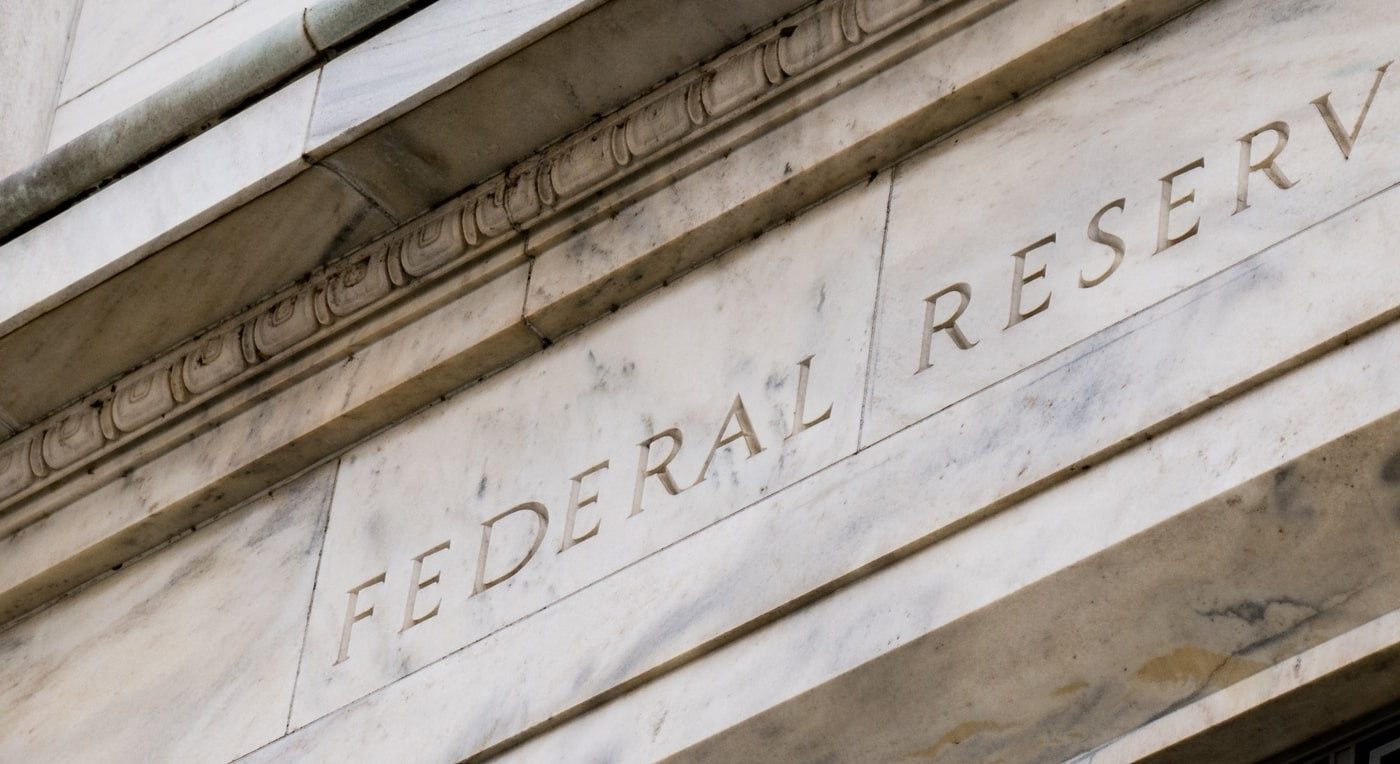
Federal Reserve Governor Adriana Kugler Resigns, Opening Door for White House Influence
Federal Reserve Governor Adriana Kugler’s unexpected resignation on Friday creates an immediate opening for President Trump to shape the central bank’s future direction and potentially speed up the process of selecting the next Fed chair. Her departure arrives at a time of heightened tension between the White House and the Federal Reserve, underscoring the political sensitivity surrounding monetary policy decisions.
Opportunity for a New Appointment
With Kugler stepping down, the president gains the ability to nominate a replacement who may share his preference for lower interest rates. The move provides a direct channel for the administration to influence the composition of the Federal Reserve’s leadership. Although presidential nominations require Senate confirmation, the vacancy gives the White House a strategic chance to advocate for a candidate perceived as more aligned with its economic priorities.
White House Pressure on Monetary Policy
The resignation comes amid intense pressure from the White House on the central bank. President Trump has publicly criticized current Fed Chair Jerome Powell, calling him “TOO ANGRY, TOO STUPID, & TOO POLITICAL” for resisting calls to cut interest rates. Such public criticism highlights the friction between the administration’s desire for more accommodative policy and the Fed’s independent decision-making process.
Limits to Immediate Policy Change
Despite the political significance of the vacancy, one additional vote on the Fed’s policymaking body may not be enough to shift the overall stance quickly. This week’s 9-2 vote to keep interest rates unchanged illustrates the committee’s current consensus and the difficulty of altering its trajectory with a single new appointee. While a new governor who favors lower rates could influence future deliberations, the existing majority view among policymakers will remain a significant factor in upcoming decisions.
Implications for the Fed Chair Selection
Kugler’s resignation could also accelerate discussions about the next Fed chair. If the White House chooses to act swiftly, the process of identifying and nominating a successor could move forward more rapidly than it might have otherwise. Any acceleration of the selection process would likely draw heightened scrutiny from lawmakers, market observers, and the public given the Fed’s central role in setting monetary policy and its impact on the broader economy.
Balance Between Political Pressure and Institutional Independence
The episode highlights the ongoing tension between political leadership and the Federal Reserve’s institutional independence. While presidents have the authority to nominate Fed governors, the central bank’s decisions are intended to be made on the basis of economic analysis and long-term stability rather than short-term political considerations. The recent vote pattern and the public criticism aimed at Fed leadership underscore how difficult it can be for political pressure to translate into immediate changes in policy.
What to Watch Next
Observers will be watching several developments closely: how swiftly the White House moves to nominate a replacement, the profile and policy preferences of any nominee, and whether the nomination process becomes a focal point of debate in Washington. Equally important will be how the remaining Fed governors and the chair respond internally to the new dynamic and whether the committee’s consensus shifts in future meetings.
In sum, Adriana Kugler’s resignation opens a door for the White House to exert influence over Federal Reserve appointments and potentially the institution’s policy direction. Yet the recent 9-2 vote to keep rates steady demonstrates that altering the Fed’s course is not guaranteed by a single vacancy, and any significant change to monetary policy will depend on broader shifts within the policymaking body.
Popular Topics
Picked from the archive
-
01
 Topics
Trump Admin Says Tax Cuts Save $8T, Experts Warn of $3T Cost
-
02
Topics
Silver Price Surges 10% in June; July Outlook Positive
-
03
Topics
Gold Falls to One-Week Low as Trade Talks Enter Final Days
-
04
Topics
Record Metal Deposit Set to Reshape Argentina’s Economy
-
05
Topics
US Q2 GDP Rises as Falling Imports Mask Weak Domestic Demand
-
06
Topics
Gold Could Reach $5,000 by 2030, Fund Manager Says
-
07
Topics
China Gold Demand Surges as Jewelry Sales Drop
-
08
Topics
Goldman Sachs Predicts Fed May Start Cutting Rates by September