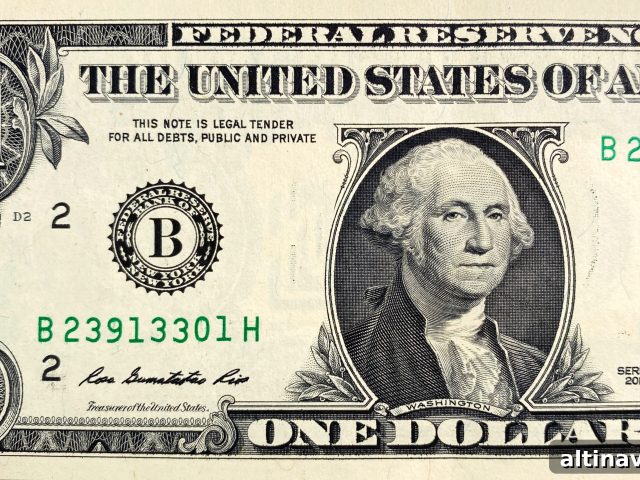
Dollar Steadies After Jobs Data Shock Sends 90% Odds of Fed Cut
US Dollar Stabilizes After Sharp Drop Triggered by Weak Jobs Data and Political Turmoil
The US dollar steadied on Monday following a steep sell-off at the end of last week, prompted by unexpectedly weak employment numbers and political upheaval surrounding the leadership of the Bureau of Labor Statistics. Traders and investors are reassessing interest-rate expectations and market positioning after July employment data showed only 73,000 jobs added and prior months were revised downward by a combined 258,000.
July Jobs Report and Market Reaction
The July payrolls report surprised markets with its modest headline gain of 73,000, while significant downward revisions to previous months reduced the overall trajectory of payroll growth. Those revisions, together with the relatively small monthly increase, raised fresh questions about the pace of the US economic recovery and the strength of the labor market. The report, which normally plays a decisive role in shaping expectations for Federal Reserve policy, immediately fed into trader assumptions about future rate moves.
As investors digested the numbers, currency markets reacted sharply. The dollar plunged by more than 2% against the Japanese yen and around 1.5% against the euro on Friday, reflecting increased bets that the Fed will move to ease policy sooner rather than later. Exchange-rate moves on data days can be particularly pronounced when the report both disappoints and alters the outlook for interest-rate differentials. In this case, weaker payrolls reduced the perceived urgency for further monetary tightening in the United States.
Political Developments Add to Uncertainty
Compounding market unease was the sudden removal of the Bureau of Labor Statistics Commissioner by President Trump, an event that introduced an element of political uncertainty into the interpretation and credibility of future economic releases. Changes in leadership at major statistical agencies can affect investor confidence and raise questions about the independence and continuity of economic reporting. While markets seldom move on politics alone, the timing and significance of the personnel change intensified the response to the weak jobs print.
Political developments also extended into trade policy, as new high tariffs on Swiss imports were announced. Those tariff measures coincided with a weakening of the Swiss franc in foreign-exchange markets. Trade policy shifts and tariff announcements can have ripple effects across currencies, particularly when they affect major trading relationships or introduce fresh uncertainty into global supply chains and capital flows.
Federal Reserve Expectations and Market Pricing
In the wake of the data and political headlines, market pricing pointed to a high probability of a Federal Reserve rate cut in September, with futures and interest-rate markets indicating roughly a 90% chance. Such a sharp move in expectations reflects how sensitive monetary policy bets are to incoming data and to the perceived credibility of official institutions. A potential Fed easing would typically weigh on the dollar, as lower US interest rates reduce the yield advantage of dollar-denominated assets versus alternatives.
Investors and portfolio managers now face a balancing act: weighing the weaker labor-market evidence and heightened political risk against other economic indicators that may still support tighter policy. For currency traders, the immediate implications are a period of heightened volatility and opportunity, with macroeconomic releases, Fed communications, and political developments likely to drive short-term fluctuations.
Implications for Currencies and Markets
The combination of weaker payrolls, significant downward revisions, a leadership change at the BLS, and fresh tariff actions has created a complex backdrop for global markets. The dollar’s large moves against the yen and the euro underscore how quickly sentiment can shift in the face of altered rate expectations. At the same time, the Swiss franc’s reaction to tariff news highlights the sensitivity of smaller, open-economy currencies to trade-policy shocks.
Going forward, market participants will closely monitor upcoming economic releases, Fed commentary, and any additional policy or personnel developments in Washington. Clarity on the Fed’s reaction function—how officials will balance labor-market slack against inflation dynamics—will be critical for determining whether recent market pricing is appropriate or likely to be revised again. For now, the dollar appears to have stabilized after last week’s volatility, but lingering uncertainty suggests that currency markets could remain choppy until a clearer macroeconomic and political picture emerges.
Popular Topics
Picked from the archive
-
01
 Topics
Silver Prices Jump 35% YTD as Rally Accelerates
-
02
Topics
David Einhorn: Why Gold Prices Keep Rising – Not Inflation
-
03
Topics
Survey Predicts Silver Price Could Reach $41 Despite Volatility
-
04
Topics
US-EU Deal Sets 15% Tariffs; China Truce to Continue
-
05
Topics
Wall Street Reacts to Inflation, Earnings and Trade Policy
-
06
Topics
Gold Drops 1.5% After Fed Holds Rates Steady
-
07
Topics
Fed Rate-Cut Bets Lift Gold as Silver Tops 13-Year High
-
08
Topics
Gold Price Jumps 1% as Investors Seek Safe-Haven Assets