Federal Reserve Keeps Rates Steady Amid Economic Uncertainty
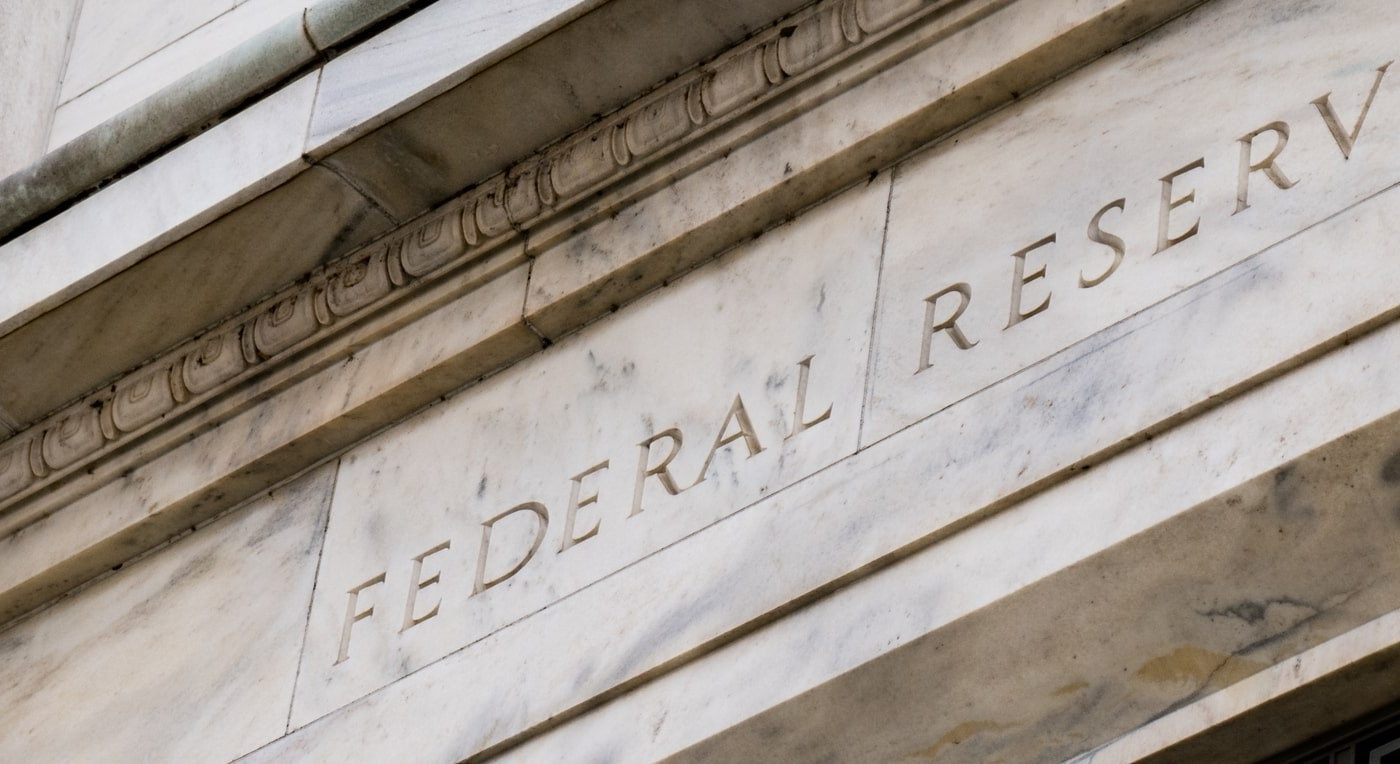
Federal Reserve Holds Interest Rates Steady for Fifth Straight Meeting
The Federal Reserve announced it will keep interest rates unchanged for the fifth consecutive time, signaling a cautious approach to monetary policy as policymakers assess evolving economic conditions. This decision reflects the Fed’s preference for a data-driven, wait-and-see stance amid ongoing uncertainty surrounding trade policy and inflation trends.
Why the Fed Is Choosing to Wait
Fed officials emphasized that recent economic developments — including tariffs and other trade measures — require more time to reveal their full impact on prices and growth. Rather than acting preemptively, the Federal Reserve is monitoring incoming data on inflation, employment, consumer spending, and business investment to determine the appropriate timing and magnitude of any future interest rate adjustment.
Keeping interest rates steady allows the Fed to preserve flexibility. If inflation begins to climb sustainably, officials can consider tightening policy. Conversely, if downside risks to growth materialize, the Fed retains the option to ease monetary policy. This patient approach aims to balance the Fed’s dual mandate of promoting maximum employment and stable prices while avoiding unnecessary market disruption.
Political Pressure and Central Bank Independence
The decision came amid public calls from President Trump to lower interest rates. Central banks, including the Federal Reserve, traditionally resist direct political pressure in favor of maintaining independence so that monetary policy decisions are made primarily on economic grounds. By keeping rates unchanged, the Fed reinforced the importance of an objective, evidence-based process.
While elected officials may advocate for certain policy outcomes, the Federal Reserve’s responsibility is to evaluate a broad array of indicators and long-term risks. This separation between political rhetoric and central bank decision-making is intended to foster credibility and support sustainable economic performance over time.
Historic Dissent at the July Meeting
Notably, the July meeting marked a rare moment of public dissent within the Fed’s policymaking body: two governors cast votes in favor of a rate cut. According to the announcement, this was the first occurrence of two dissenting votes for a cut in three decades. Such dissent highlights the range of perspectives among policymakers about the best path forward for interest rates and monetary policy.
Dissenting votes are an important part of the Federal Reserve’s decision-making process. They provide transparency about differing views on economic risks and the trade-offs between supporting growth and containing inflation. For markets and observers, these votes can be useful signals about how close the Fed might be to altering its policy stance in the future.
Market and Consumer Implications
When the Fed holds interest rates steady, the immediate effects tend to be subtle but meaningful. For consumers and businesses, stable policy can translate into predictable borrowing costs for mortgages, auto loans, and commercial credit. For investors, the Fed’s announcement helps shape expectations about future rate paths, influencing bond yields, equity valuations, and currency movements.
At the same time, the Fed’s patient approach can create uncertainty if markets expect a quicker response to economic or political developments. That makes the central bank’s forward guidance and communication about the conditions that would prompt a change in rates especially important for maintaining market stability.
Looking Ahead
Going forward, the Federal Reserve is likely to continue examining incoming economic data and the effects of trade and fiscal policies before deciding whether to alter interest rates. Stakeholders — including businesses, investors, and policymakers — will watch inflation reports, labor market indicators, and other economic releases for clues about the timing and direction of future Fed action.
In the meantime, the Fed’s decision to keep rates unchanged for the fifth consecutive meeting underscores its commitment to a cautious, data-dependent approach that prioritizes long-term economic stability over short-term responses to political pressure.
Popular Topics
Picked from the archive
-
01
 Topics
Could Trump’s Trade Wars End a Century of US Dollar Dominance?
-
02
Topics
UBS: Why Investors Should Look Past Gold’s Dip from Record Highs
-
03
Topics
Jobless Claims Drop, 4-Year High Raises Job Market Concern
-
04
Topics
Buying Local: How Nations Build Foreign Reserves Without Dollars
-
05
Topics
Goldman Sachs Predicts Gold to Hit USD 3,700 by End of 2025
-
06
Topics
Markets Doubt Trump’s Ability to Balance Tax Cuts and Spending
-
07
Topics
Tariff Uncertainty and Fed Outlook Keep Gold Prices Volatile
-
08
Topics
Report: Republican Tax Bill Masks Over 1 Trillion in Future Debt