US-EU Deal Sets 15% Tariffs; China Truce to Continue
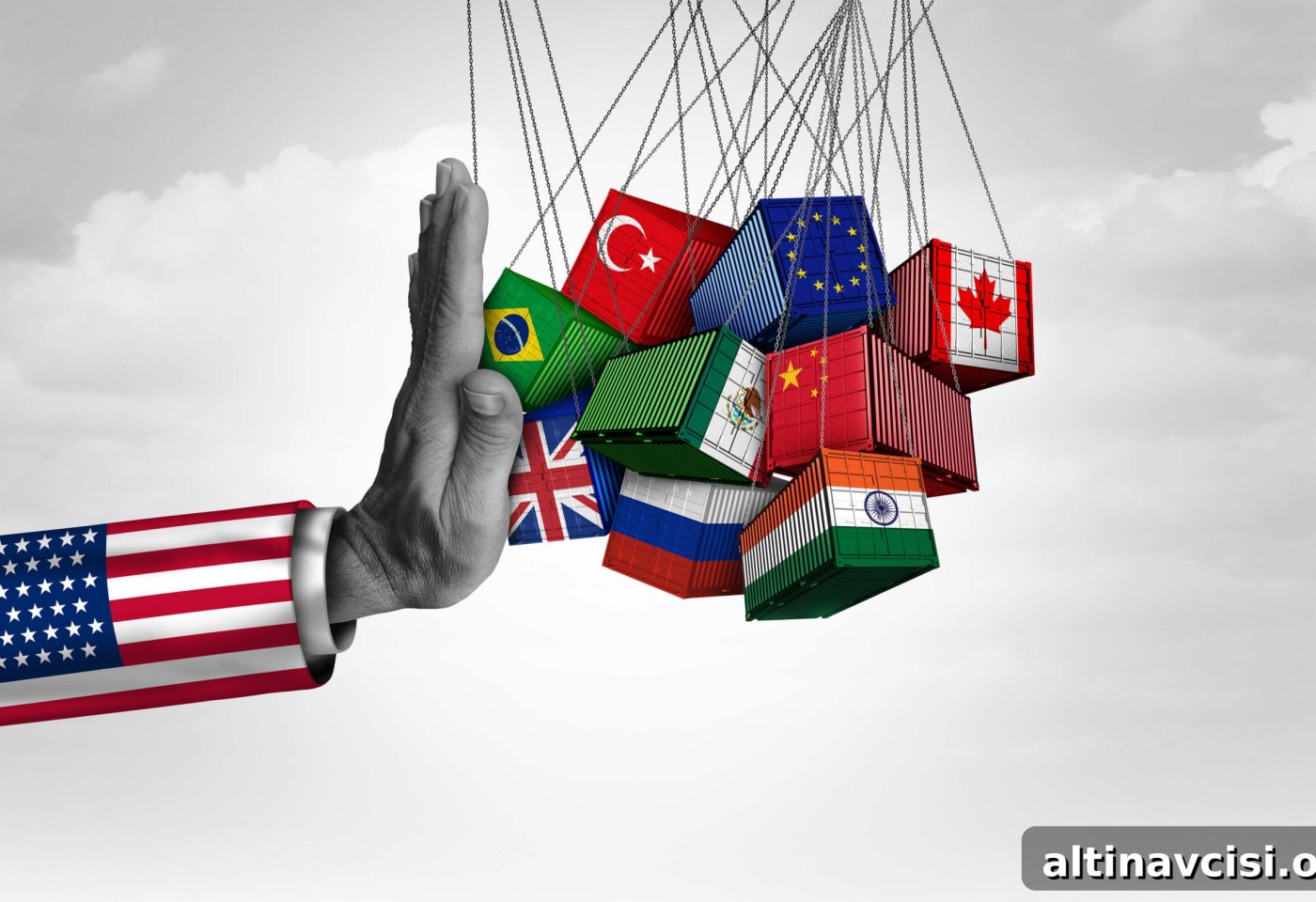
U.S. and EU Agree on New Trade Framework: 15% Tariff on Most EU Imports
President Donald Trump and European Commission President Ursula von der Leyen announced a new trade deal framework that establishes a 15% tariff on most goods imported from the European Union into the United States. The announcement marks a significant shift in transatlantic trade policy, with both leaders framing the agreement as a major outcome of negotiations between Washington and Brussels. President Trump described the deal as “the biggest of them all,” while von der Leyen called the agreed tariff rate substantial but indicated it was the most realistic and constructive result achievable under current circumstances.
Key Elements of the Trade Framework
The central element of the framework is the uniform 15% tariff applied to the majority of EU-origin goods entering the U.S. market. The framework is intended to create a clearer, predictable tariff regime between the two economic blocs. Officials emphasized that the framework provides a basis for more detailed negotiations, enforcement mechanisms, and potential future adjustments as both sides evaluate economic impacts and compliance standards.
Although the headline figure of 15% dominates the announcement, leaders stressed that the framework is part of a broader negotiating strategy. It is presented as a compromise designed to balance market access, protect domestic industries, and provide a stable environment for businesses on both sides of the Atlantic.
Wider Trade Context: U.S., China, Canada and Japan
The announcement of the U.S.–EU framework comes amid a flurry of parallel trade activities. The United States and China are reported to be extending an existing tariff truce by roughly three months, with officials planning to resume talks in Stockholm. That extension aims to preserve dialogue and avoid sudden escalations while negotiators work to resolve outstanding disputes. The Stockholm talks are expected to focus on structural issues, tariff schedules, and enforcement mechanisms, though details remain subject to ongoing diplomatic engagement.
At the same time, Washington has been working to finalize deals with other major partners. Negotiations with Canada and Japan have been highlighted as part of a wider trade strategy. A recently referenced agreement with Japan reportedly includes a U.S. investment commitment of approximately $550 billion and adopts tariff measures broadly comparable to the approach taken with the EU framework. Officials suggest these efforts are part of a coordinated attempt to reset trade terms with multiple allies and trading partners.
Global Tariff Strategy and Implementation
In parallel with these bilateral efforts, the Trump administration is preparing to issue tariff letters to more than 200 countries. These letters are expected to lay out proposed tariff rates that could vary significantly by partner, potentially ranging from 15% up to 50% depending on each country’s trade relationship and bargaining position. The wide range in proposed rates reflects a strategy to tailor trade policy according to strategic priorities, industry sensitivities, and reciprocal trade practices.
Issuing tariff letters to a large number of trading partners is a complex administrative and diplomatic task, involving legal reviews, trade impact assessments, and consultations with domestic stakeholders. The process will likely include phased implementation schedules, carve-outs for critical goods, and mechanisms for dispute resolution to minimize trade disruptions while promoting policy goals.
Potential Economic and Market Impacts
Adopting a 15% tariff on most EU imports could have varied economic effects. Exporters from Europe may face reduced competitiveness in the U.S. market, prompting adjustments in pricing, supply chains, or production strategies. U.S. manufacturers and consumers could see prices change depending on how costs are passed through the supply chain. At the same time, policymakers argue that predictable tariff levels can provide clarity that helps companies plan investment and sourcing decisions.
Market participants and analysts will monitor trade flows, exchange rates, and sector-specific outcomes—especially in industries with high exposure to transatlantic commerce. Over time, the framework’s influence will depend on implementation details, exemptions, and follow-up agreements aimed at addressing technical barriers, standards alignment, and regulatory cooperation.
Next Steps and Negotiation Outlook
Both sides indicated that the framework is a starting point rather than a final treaty. Further negotiations are expected to refine the terms, address sector-specific concerns, and establish mechanisms to monitor compliance. As talks continue with the EU, China, Canada, Japan, and other partners, observers will be watching for adjustments that balance trade objectives with economic stability.
In the coming weeks and months, stakeholders from government, industry, and civil society will likely engage in consultations to shape the final agreements and implementation plans. The outcome of those discussions will determine how the new tariff framework affects global trade patterns and long-term economic relationships between the United States and its major trading partners.
Popular Topics
Picked from the archive
-
01
 Topics
Why Trump Cannot Fire Federal Reserve Chair Jerome Powell
-
02
Topics
New BRICS Currency: Global Impact by 2026-27
-
03
Topics
Precious Metals Poised for 2% Weekly Slide as China Tensions Rise
-
04
Topics
Buy Now, Pay Later Surges for Everyday Essentials
-
05
Topics
Fed Chair Holds Rates Firm as Trump Urges GOP to Pressure Powell
-
06
Topics
Fed Likely to Hold Rates, Future Cut Timing Remains Unclear
-
07
Topics
ETF Inflows Boost Q2 Gold Demand, World Gold Council Says
-
08
Topics
David Einhorn: Why Gold Prices Keep Rising – Not Inflation