Markets Slash ECB Rate-Cut Odds After Trade Deal Eases Tariff Fears

Traders Downgrade Odds of ECB Rate Cut as Yields Climb
Market participants now assign less than a 30% probability to a European Central Bank (ECB) rate cut at the September 11 meeting, a sharp decline from roughly 50% just before reports surfaced of a looming 15% EU–U.S. tariff agreement. That change in expectations reflects a shift in sentiment following the ECB’s decision to pause its easing cycle and the tone struck by President Christine Lagarde.
ECB Holds Rates After Multiple Cuts
The ECB paused its monetary easing this week after implementing eight rate cuts over the past year. Although the bank did not signal further tightening, the decision to hold rates steady marked a departure from the recent pattern of rate reductions. President Christine Lagarde described policy as being in a “good place” and highlighted risks stemming from trade-related bottlenecks that could rekindle inflationary pressures.
Immediate Market Reaction
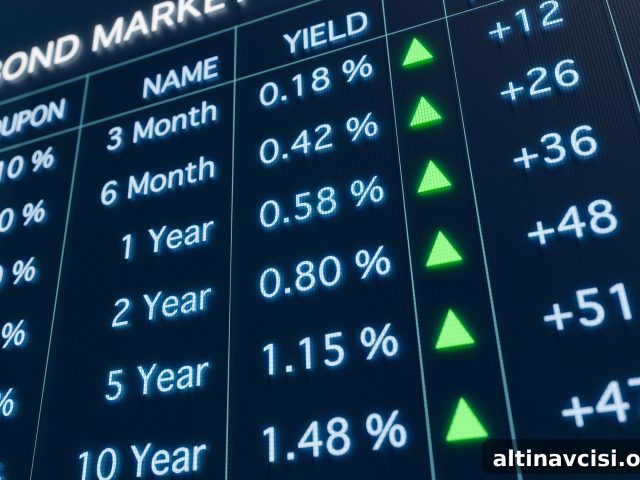
Lagarde’s upbeat assessment and the trade concerns together pushed two-year German government bond yields higher. Two-year yields rose by more than 10 basis points to reach 1.90%, reflecting a reassessment of the near-term path for interest rates in the euro area. Higher short-term yields typically indicate that traders are discounting a lower probability of rate cuts and are pricing in a more resilient inflation outlook.
Why Traders Repriced the Outlook
Several factors contributed to the rapid shift in expectations. First, the ECB’s pause after a prolonged cutting cycle signaled that officials may not be in a hurry to resume easing even if inflation moderates. Second, Lagarde’s comments about trade-related bottlenecks emphasized how external shocks can complicate the inflation picture, making policy more cautious. Third, news of a potential 15% tariff agreement between the EU and the U.S. introduced a layer of uncertainty around trade flows and supply-chain dynamics, raising the possibility of renewed price pressures.
What Rising Two-Year Yields Mean
The increase in two-year German yields has several practical implications. Short-term government bond yields are closely watched as indicators of market expectations for central bank policy. When those yields rise, borrowing costs for banks and other credit-sensitive sectors can be affected, and investors reassess the attractiveness of fixed-income assets. For savers and depositors, higher short-term rates can eventually translate into improved returns, while for businesses and consumers, the prospect of delayed rate cuts may mean slightly higher financing costs for a longer period.
Wider Financial Market Impact
Beyond sovereign yields, repricing of ECB expectations can influence the euro, corporate bond spreads, and equity markets. A shift toward fewer anticipated rate cuts tends to support the euro against other currencies, as higher or stable rates increase the currency’s relative return. Corporate borrowing costs can also be affected, especially for companies with significant short-term funding needs. Equity markets may weigh the implications for economic growth—if higher yields reflect stronger-than-expected inflation or resilient growth, some sectors could outperform while interest-sensitive industries face pressure.
What to Watch Next
Investors and analysts will be watching incoming economic data, central bank communication, and developments in international trade closely. Key indicators such as inflation readings, wage growth, and supply-chain signals will shape expectations about whether the ECB will resume cuts or maintain a cautious stance. Equally important will be any confirmation or further details about the reported 15% EU–U.S. tariff arrangement, since changes to trade policy can directly affect cost pressures and supply dynamics.
Outlook
The rapid downgrading of odds for a September rate cut underscores how sensitive markets remain to central bank signals and geopolitical developments. While the ECB has eased policy eight times over the past year, its decision to pause and the governing council’s language suggest that policymakers remain vigilant about upside risks to inflation. As a result, traders have adjusted pricing to reflect a lower likelihood of imminent easing, and short-term yields have moved higher to mirror that revised outlook.
Popular Topics
Picked from the archive
-
01
 Topics
ECB Reaches 2% Inflation Target in June as Eurozone Prices Hold
-
02
Topics
Trump Threatens EU With 250% Tariffs on Pharmaceuticals
-
03
Topics
Trump Threatens 10-15% Tariffs on Over 150 Countries
-
04
Topics
Trump’s 50% Tariff Threat Sparks Stock Market Turmoil
-
05
Topics
Record Trade Deficit Pushes US GDP Down 0.2%
-
06
Topics
Why Gold Is Defying Market Signals in 2025
-
07
Topics
Why Bond Experts Draw Parallels Between Today’s Fed and the 1930s
-
08
Topics
How He Lifeng Is Rewriting China’s Playbook to Counter Trump