U.S.-Japan Deal Cuts Tariff Threats, Key Details Remain Unclear

Trump Announces Trade Framework With Japan: Tariff Cut and Major Investment Pledge
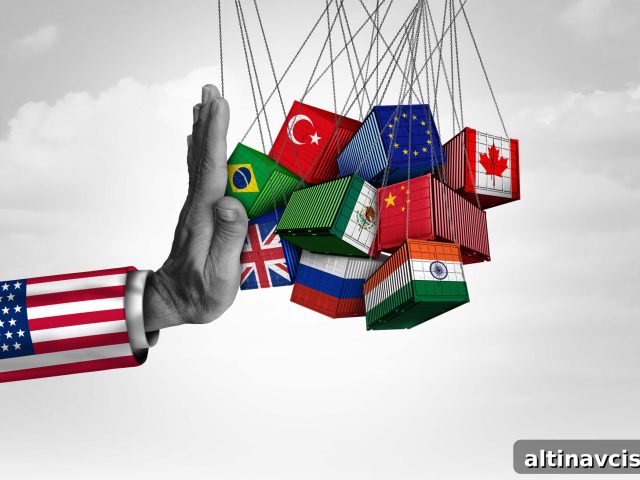
President Trump has reached a new trade framework with Japan that reduces a previously threatened 25% tariff on imports to 15%. The framework pairs the tariff reduction with a large Japanese investment pledge and market concessions intended to ease economic tensions and reinforce the administration’s image as a negotiator.
What the Agreement Says
According to the framework, Japan has committed to invest $550 billion in the United States. In return, the agreement opens Japan’s market more broadly to U.S. exports, with specific reference to American autos and rice. The administration presents the lowered tariff level as a way to calm market concerns while preserving leverage in ongoing trade discussions.
Unresolved Details and Open Questions
Despite the headline figures, key elements of the arrangement remain unclear. The framework does not yet specify whether vehicles built in Japan will continue to face higher duties or how the new tariff rate will be applied across different product categories. Those details will influence how manufacturers, exporters, and importers respond.
Because the full implementing rules and any side agreements have not been publicly disclosed, businesses and analysts are left to wait for clarifications on exemptions, timelines, enforcement mechanisms, and the precise scope of market access for U.S. agricultural and automotive exports.
Economic and Political Implications
The combination of a reduced tariff and a large capital investment commitment is designed to achieve multiple objectives. Economically, a lower duty rate could reduce immediate cost pressures on importers and help stabilize market expectations. The investment pledge signals confidence and could support job creation, supply chain adjustments, and new U.S.-based projects if it is realized as described.
Politically, the deal is being framed as evidence of the president’s ability to secure major agreements—reinforcing the “deal-maker” brand. The administration is likely to emphasize the investment figure and improved access for U.S. industries when communicating the outcome to domestic audiences.
Broader Trade Strategy
The Japan framework is part of a broader push by the administration to negotiate similar arrangements with other trading partners. The White House is reported to be advancing comparable pacts with the Philippines and Indonesia, each connected to tariff adjustments around the 19% level. In the case of Indonesia, the 19% tariff was reaffirmed as part of that country’s engagement with the administration.
These parallel negotiations suggest a coordinated approach aimed at reshaping tariff exposures and expanding bilateral investment commitments. Yet, as with the Japan framework, observers will be watching for the fine print—how tariffs are applied sector by sector, what safeguards are included, and how disputes will be resolved.
Market Reaction and Next Steps
Markets tend to respond to both headline developments and concrete enforcement details. While the reduction from 25% to 15% may be seen as a de-escalation, volatility could persist until implementing regulations and timelines are published. Stakeholders in the auto, agriculture, and manufacturing sectors will be particularly attentive to guidance on tariffs, quotas, and certification procedures.
Next steps will likely include formal treaty language or executive agreements, regulatory notices, and bilateral consultations to settle operational matters. Companies directly affected by the tariffs and investment commitments would be wise to monitor official announcements closely and to prepare for a range of implementation scenarios.
Summary
In summary, the new U.S.-Japan trade framework cuts a planned 25% tariff to 15% and pairs that concession with a $550 billion Japanese investment pledge and greater access for American autos and rice. While the headline terms are significant, important questions remain about how the tariff will be applied and whether certain goods—such as Japanese-built cars—will still face differential duties. The administration is pursuing similar arrangements with the Philippines and Indonesia, signaling a wider effort to reshape bilateral trade relationships. Clarifying details and formal documentation will determine the ultimate economic impact of these agreements.
Popular Topics
Picked from the archive
-
01
 Topics
Silver Prices Jump 35% YTD as Rally Accelerates
-
02
Topics
David Einhorn: Why Gold Prices Keep Rising – Not Inflation
-
03
Topics
Survey Predicts Silver Price Could Reach $41 Despite Volatility
-
04
Topics
US-EU Deal Sets 15% Tariffs; China Truce to Continue
-
05
Topics
Wall Street Reacts to Inflation, Earnings and Trade Policy
-
06
Topics
Gold Drops 1.5% After Fed Holds Rates Steady
-
07
Topics
Fed Rate-Cut Bets Lift Gold as Silver Tops 13-Year High
-
08
Topics
Gold Price Jumps 1% as Investors Seek Safe-Haven Assets