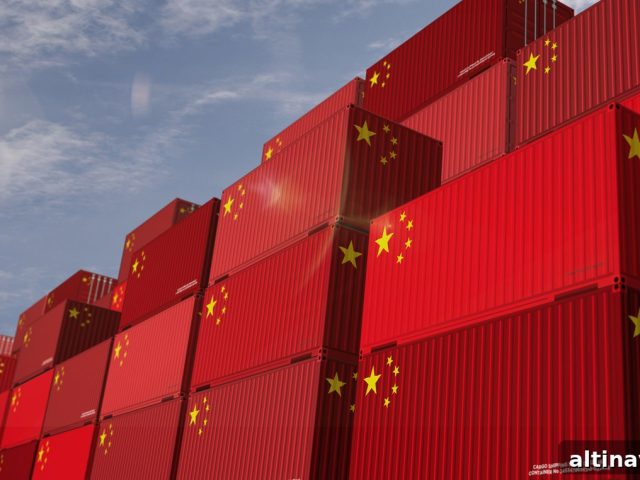
EU Rushes to Avert Trump’s 30% Tariff Deadline
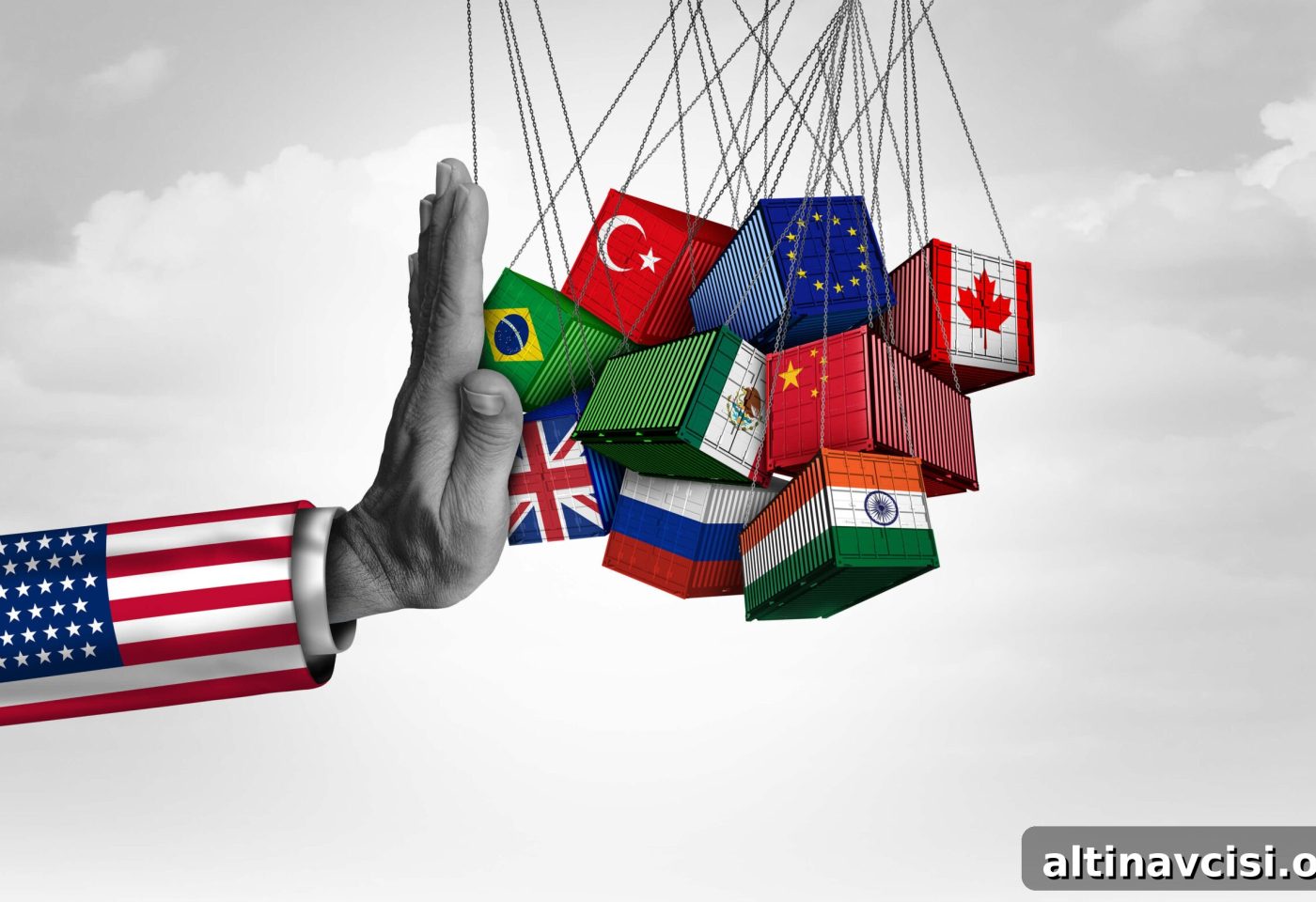
EU–U.S. Trade Talks Reach Critical Stage Ahead of Aug. 1 Deadline
High-stakes trade negotiations between the European Union and the United States have reached a pivotal moment as an Aug. 1 deadline approaches. President Trump has threatened to impose a 30% tariff on most EU exports to the U.S., a move that would reverberate across transatlantic commerce and raise the prospect of a broad tariff escalation.
Current Status of Negotiations
Despite ongoing discussions and intermittent signals of compromise, negotiators have yet to produce a decisive breakthrough. Talks remain fragile, with both sides under pressure to find a solution that avoids immediate economic damage while protecting political priorities. Brussels, preparing for the possibility of a no-deal scenario, has begun drawing up countermeasures and contingency plans. At the same time, there are indications EU officials might accept a temporarily imbalanced arrangement if it prevents an abrupt imposition of high tariffs.
Scope of the Proposed Levies
The proposed U.S. tariffs would be sweeping in scope. Sectors explicitly highlighted as vulnerable include autos, steel, aluminum, and pharmaceuticals. Officials estimate that up to roughly 70% of EU exports to the United States could be affected by the new levies, which underscores the wide reach of the potential tariffs and the risk they pose to many industries.
Economic and Business Consequences
Business leaders on both sides of the Atlantic are warning that prolonged uncertainty could have real-world consequences. Companies may delay investment plans, pause hiring, or reconsider cross-border projects until clarity returns. Supply chains that now operate seamlessly across the ocean could face disruption if firms are forced to reroute production, find alternative suppliers, or absorb higher input costs. These adjustments could increase production costs, squeeze profit margins, and ultimately lead to higher prices for consumers.
Trade Policy and Political Stakes
Beyond the immediate economic effects, the dispute carries political implications. A sudden imposition of high tariffs could strain broader transatlantic relations, complicating cooperation on other issues where the EU and U.S. typically align. At the same time, each side is balancing domestic political imperatives with the economic benefits of open trade. That balancing act helps explain why negotiators remain engaged even as time ticks down toward the August deadline.
Possible Paths Forward
There are several potential outcomes, ranging from a negotiated compromise that averts tariffs to a stand-off that triggers retaliatory measures. A negotiated deal could involve phased concessions, carve-outs for sensitive sectors, or temporary arrangements that buy time for deeper talks. If diplomacy fails and tariffs are implemented, policymakers on both sides would likely face pressure to respond, and businesses would need to adapt quickly to a new operating reality.
What Businesses Should Watch
Companies that trade across the Atlantic should monitor developments closely and prepare contingency plans. Practical steps may include stress-testing supply chains, reviewing pricing strategies, and evaluating contractual terms that could be affected by sudden tariffs or retaliatory measures. Clear communication with suppliers, customers, and employees will be essential to manage expectations and limit disruption.
Conclusion
With the Aug. 1 deadline looming, the EU–U.S. talks are at a decisive juncture. The threat of a 30% tariff on most EU exports would touch many sectors and could unsettle investment and supply-chain decisions on both sides of the Atlantic. While Brussels readies countermeasures and negotiators continue to search for common ground, the final days before the deadline will be critical in determining whether an escalation is avoided or a new chapter of trade friction begins.
Popular Topics
Picked from the archive
-
01
 Topics
Gold Drops to One-Month Low as Geopolitical Risks Ease
-
02
Topics
US Presses Allies to Cut China from Supply Chains by July
-
03
Topics
Moody’s Warning Rocks Bond Market, Investors Turn to Gold
-
04
Topics
Investors Doubt U.S. Bond Market: What It Means for Yields
-
05
Topics
Tariffs vs Treasuries: What’s Driving Gold Prices Now
-
06
Topics
Trump to Impose Tariffs on Trade Partners Without Negotiations
-
07
Topics
Tariffs Drive Gold Premium Over $100 Between New York and London
-
08
Topics
CBO: GOP Tax Plan Adds $3.3T to Federal Deficit in 10 Years