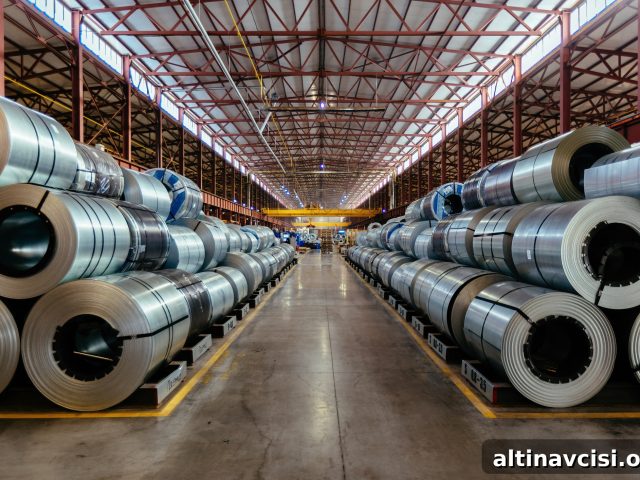
Tariffs Drive Up Consumer Prices as Inflation Rises
Tariffs Drive Price Increases for Clothing, Furniture and Coffee
Recent government data reveals a noticeable rise in prices for goods that rely heavily on imports, including clothing, furniture and coffee. These increases, which accelerated last month, appear to reflect the initial pass-through of tariff costs to consumers. Sectors that operate on thin profit margins have been the most affected: companies facing higher import duties are often unable to absorb the extra expense and instead pass it along in the form of higher retail prices.
Where Tariffs Are Most Visible
The impact of tariffs is most visible in categories where margins are slim and competition is intense. Clothing and furniture retailers frequently source large shares of their products from abroad, and rising import levies squeeze already narrow margins. Coffee, likewise, is vulnerable because it is traded globally and retail margins can be tight; when import costs climb, roasters and retailers may raise shelf prices. In these segments, consumers are seeing price increases sooner and more clearly than in other parts of the economy.
Broader Inflation Still Driven by Housing and Food
Despite the tariff-related spikes in specific product categories, analysts emphasize that overall inflation remains more influenced by housing and food costs. Government measures show inflation reached 2.7% in June, and much of that broader increase is linked to rent, owner-equivalent rent and grocery prices. In short, while tariffs are contributing to higher prices in certain goods, the main upward pressure on headline inflation continues to come from essentials such as housing and food.
Household Impact and the Outlook
Estimates from the Yale Program on Financial Stability’s Budget Lab indicate the average U.S. household is already facing a substantial tariff-related burden, with additional annual costs amounting to roughly $2,800. That figure underscores how tariffs can translate into real-dollar effects on household budgets, particularly for families that spend a larger share of income on goods affected by import duties.
Looking ahead, more levies are scheduled to take effect, including a proposed 50% tariff on copper set for August 1. Experts caution that the full effect of these measures may take time to show up across the economy. Initially, importers and distributors may absorb some of the added cost or delay price increases, but as those buffers are exhausted, additional price pressure is likely to reach consumers. This dynamic suggests a possible uptick in consumer prices in the months ahead if tariffs expand or persist.
Industry Responses and Consumer Choices
Businesses are responding to the changing cost environment in different ways. Some retailers and manufacturers are attempting to find alternative suppliers, rework supply chains, or shift production domestically where feasible. Others are negotiating lower margins or offering promotions to retain customers in the short term. Still, many firms have limited flexibility, especially in commodity-driven or highly competitive markets, and ultimately some portion of the tariff cost is being reflected at the point of sale.
For consumers, the most immediate effect is higher prices on specific items such as clothing, home furnishings and certain food and beverage staples. Over time, persistent tariffs could broaden their impact, potentially contributing to higher costs for other goods and inputs. Policymakers, businesses and households will be watching price trends closely to see whether the rise in import-related costs remains isolated or becomes a more significant contributor to overall inflation.
Conclusion
Government data shows tariff-driven price increases are already appearing in import-dependent product categories, while overall inflation is still largely influenced by housing and food. With an estimated $2,800 in added annual costs for the average household and more levies scheduled to take effect, experts warn that price pressures could intensify in the months to come as importers and retailers run out of room to absorb higher costs.
Popular Topics
Picked from the archive
-
01
 Topics
Gold Prices Slip After Trump Confirms Powell Will Stay
-
02
Topics
US Mediates Congo Mineral Deal to Secure Strategic Metals Supply
-
03
Topics
Incrementum Gold Compass: July 2025 Market Outlook
-
04
Topics
4 Trillion AI Milestone Sparks Valuation Concerns
-
05
Topics
Oil Price Tops $65 as US-China Trade Talks Lift Markets
-
06
Topics
Carney Threatens Counter Tariffs if Trade Deal Fails by July 21
-
07
Topics
Gold Holds Above $3,400 as Geopolitical Risk Fuels Rally
-
08
Topics
CBO: Trump Tax Cuts Add $2.8 Trillion to US Debt