Stocks Ignore Tariff Threats: Is a Market Correction Coming?
Markets Appear Calm Amid Trump’s Tariff Threats — But That Calm May Be Misplaced
Markets are staying surprisingly calm in the face of President Trump’s escalating tariff threats, but investors should not confuse this apparent stability with genuine confidence. On the surface, prices in equities, currencies, and some fixed-income markets may look untroubled. Behind that veneer, however, many market participants are operating on an assumption: that the administration will ultimately avoid the most disruptive tariff actions.
The White House has suggested that traders are growing more accepting of tariffs as a policy tool. Yet a substantial portion of professional and retail investors are acting differently — they are treating current market calm as temporary and are positioning themselves on the premise that threats will be softened, delayed, or abandoned. In other words, the market’s equilibrium today may reflect widespread expectations that political rhetoric will not translate into large, sudden policy moves.
Why the Calm Might Be Fragile
That assumption creates vulnerability. If the administration follows through with extensive or unexpected tariffs, the consequences could ripple quickly through global supply chains and corporate profit margins, provoking rapid repricing across asset classes. Tariffs raise costs for importers and can trigger retaliatory measures from trading partners, introducing uncertainty about trade flows, earnings forecasts, and inflation dynamics. For investors who have not accounted for those risks, the result could be a sharp and unwelcome market adjustment.
Even in the absence of immediate policy implementation, the mere threat of tariffs can affect corporate behavior. Businesses may postpone investment, reconsider long-term sourcing decisions, or adjust pricing strategies to hedge against potential cost increases. These intermediate choices can slow growth or alter earnings trajectories, which markets may only begin to price in after a policy surprise.
What This Means for Gold and Silver Investors
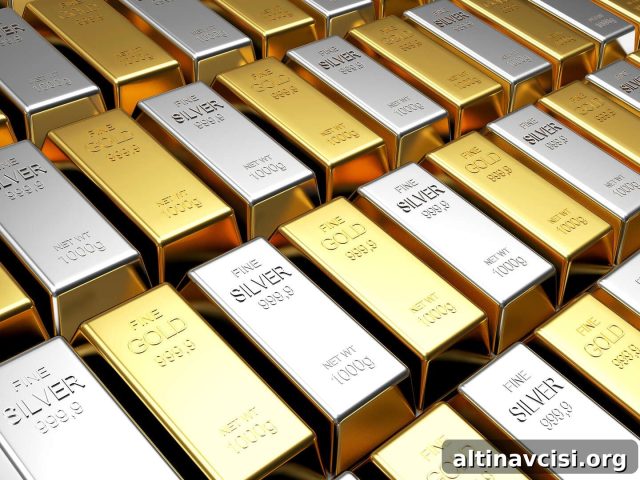
For investors in precious metals, the current environment underscores the traditional role of gold and silver as hedges against policy shocks and geopolitical volatility. When uncertainty about trade policy rises, demand for safe-haven assets often increases, supporting prices for bullion and other defensive instruments. Gold in particular has historically been viewed as a store of value during periods of political risk and when inflation expectations shift.
Silver can serve a complementary role. While it shares many of gold’s defensive attributes, silver also has industrial uses, which can create added sensitivity to growth-driven demand. That dual character means silver may react differently across scenarios: it can benefit from safe-haven flows but may also face pressure if a tariff-driven slowdown undermines industrial activity.
Practical Considerations for Investors
Given the uncertainty, investors may want to think deliberately about risk management. Diversification remains a fundamental principle: spreading exposure across asset classes and geographies can reduce the impact of any single policy shock. Allocating a portion of a portfolio to precious metals or to instruments that track them—physical bullion, allocated storage, exchange-traded products, or derivatives—can be part of a broader hedging strategy. Other tools, such as options, currency hedges, and short-duration fixed income, may also help manage downside risks.
Importantly, investors should avoid overreacting to headlines while also not becoming complacent. A balanced approach involves monitoring policy signals, assessing how tariffs could affect specific sectors and companies, and adjusting positions in line with a clearly defined risk tolerance and investment horizon. Investors who rely solely on the expectation that threats will be walked back may be ill-prepared if the political calculus changes.
Conclusion
Markets today may look calm despite escalating tariff rhetoric from President Trump, but that calm can be misleading. Many market participants are assuming the worst threats will not materialize, a belief that could leave portfolios exposed if policy actions prove more aggressive. For those concerned about policy shocks and geopolitical volatility, gold and silver remain relevant hedging tools, but they should be considered within a diversified risk-management framework rather than as a single solution. Vigilance, scenario planning, and disciplined allocation are key to navigating this uncertain environment.
Popular Topics
Picked from the archive
-
01
 Topics
Daly Urges Fed to Temper Forecasts and Balance Dual Mandate
-
02
Topics
Gold Drops to $3,310 as Trade Deal Extensions Ease Tensions
-
03
Topics
Gold Price 2025: Why Gold Will Outperform Models
-
04
Topics
Gold and Silver Hold as Markets Monitor Fed Policy, US Deficit
-
05
Topics
BIS Warns Fed Faces Impossible Choice as Tariffs Risk Inflation
-
06
Topics
Report: Republican Tax Bill Masks Over 1 Trillion in Future Debt
-
07
Topics
US Dollar Strengthens Ahead of Major Trade Policy Announcements
-
08
Topics
Trump Raises Metal Tariffs to 50% as EU Reports Trade Progress