Kevin Hassett Named Trump’s Pick to Replace Fed Chair Powell
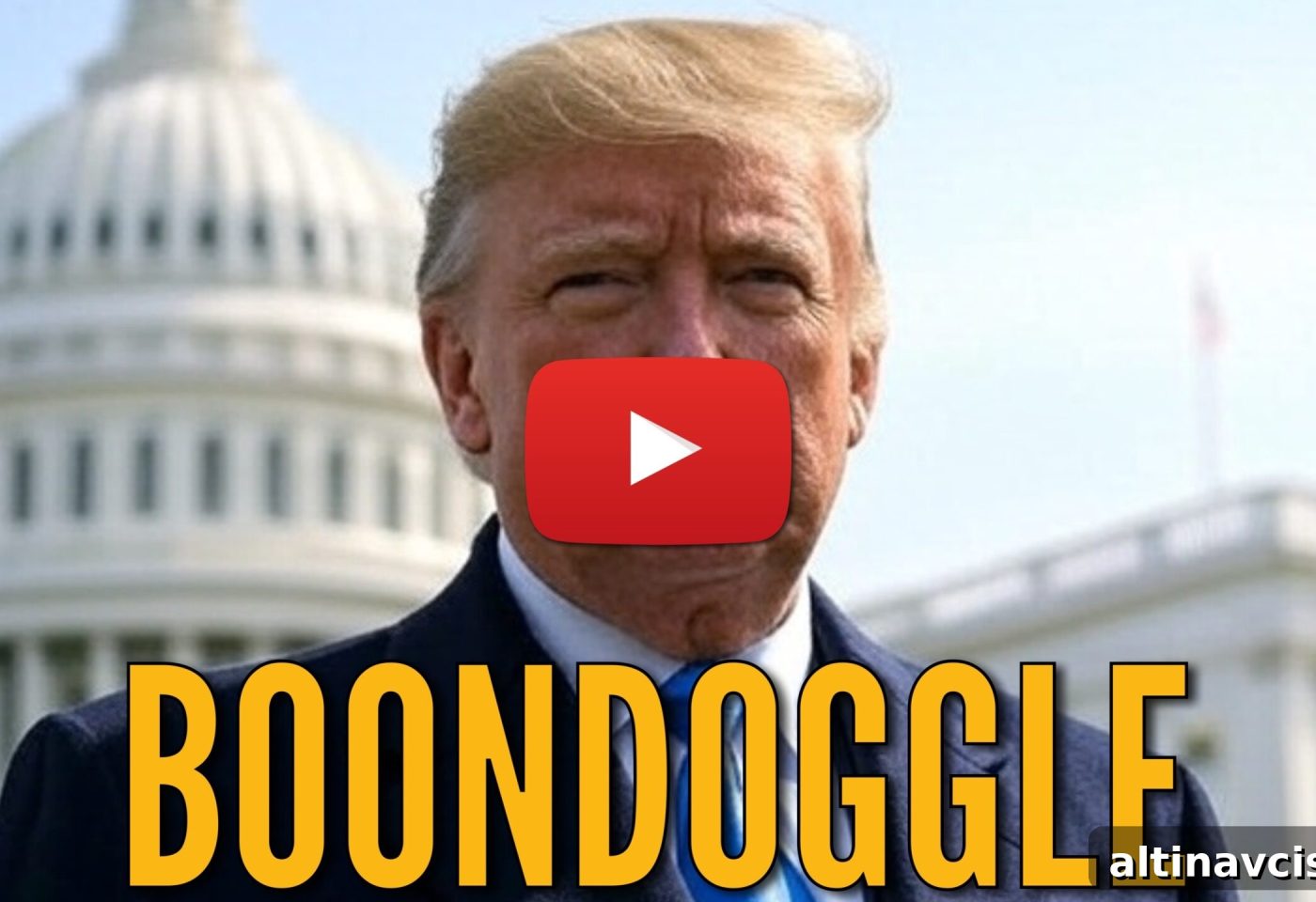
Kevin Hassett Emerges as Leading Contender to Replace Jerome Powell as Federal Reserve Chair
Kevin Hassett, a senior economic adviser to President Donald Trump, has emerged as the leading candidate to succeed Jerome Powell as Chair of the Federal Reserve. The discussion around a potential change at the Fed’s top post has intensified as the president continues to press for lower interest rates and looks for an appointee who shares that policy orientation.
Trump has repeatedly criticized Jerome Powell for maintaining what he considers relatively high interest rates, and he has signaled a desire for a Fed leader who will be more supportive of looser monetary policy. Hassett, who has been a prominent voice within the administration and is closely identified with Trump’s economic agenda, has publicly voiced views that align with the president’s preference for lower borrowing costs. That alignment has drawn attention from market participants and policy watchers alike.
Observers say the potential appointment of a high-profile political ally to the Fed’s top post raises questions about the central bank’s independence. Investors and analysts generally watch Fed leadership decisions closely because the Fed Chair plays a central role in setting monetary policy, guiding interest rate decisions, and shaping expectations about inflation and economic growth. Any sign that monetary policy might be influenced by political priorities rather than long-term economic objectives tends to prompt heightened market scrutiny.
Markets have already reacted at times to comments and signals about Fed leadership and likely policy direction. Concerns among investors typically center on the possibility that a chairperson with an overtly political alignment could prioritize short-term rate reductions to support immediate economic or political goals, rather than focus primarily on the Fed’s dual mandate of maximum employment and price stability. Those concerns are part of why choices for the Fed Chair are watched so closely by traders, portfolio managers, and economists.
Alongside Hassett, other names have circulated as potential successors. The list of contenders mentioned includes former Federal Reserve Governor Kevin Warsh, Scott Bessent, and current Fed Governor Christopher Waller. Kevin Warsh served at the Fed in a previous administration, while Christopher Waller is a sitting governor within the Federal Reserve System. These alternatives highlight a range of backgrounds—from former Fed insiders to figures with closer ties to the administration—each carrying its own implications for how monetary policy might be conducted going forward.
Choosing a new Fed Chair is a consequential decision with both domestic and global repercussions. The Fed Chair not only directs U.S. monetary policy but also represents U.S. central banking in international fora, influences the dollar’s path, and affects financial conditions across asset classes. Investors pay particular attention to the Fed Chair’s views on inflation targeting, the appropriate pace of interest-rate adjustments, and the use of unconventional tools in the event of an economic downturn.
For President Trump, nominating someone perceived as sympathetic to his preference for lower rates may be an effort to align economic policy more closely with his administration’s priorities. For market participants and many economists, the key question remains how a prospective chair would balance those preferences with the Federal Reserve’s institutional responsibilities. Concerns about preserving the Fed’s credibility and independence are likely to be central themes during confirmation deliberations and subsequent policy debates.
The debate over the next Fed Chair underscores the broader tension that can arise when political leaders seek to influence monetary policy. A nominee who has publicly echoed the president’s desire for lower rates could satisfy political objectives in the short term, but it might also intensify scrutiny from those who prioritize a clear separation between political goals and central bank decision-making. As the nomination process progresses, attention will sharpen on the candidates’ past statements, policy records, and the degree to which they can reassure lawmakers, investors, and the public that long-term economic stability remains their primary focus.
Popular Topics
Picked from the archive
-
01
 Topics
Recession 2025: Why Economists Disagree on What’s Next
-
02
Topics
Bullion Premiums: How to Spot Fair Prices
-
03
Topics
Gold Price Falls Below $3,340 Ahead of Fed Comments
-
04
Topics
Goldman Sachs: Oil Could Reach $110 Amid Iran Shipping Threat
-
05
Topics
Silver Price Hits Highest Level Since 2012 as Demand Surges
-
06
Topics
Trump Imposes 50% Copper Tariff, Targets Pharma and Chips
-
07
Topics
China Cuts Critical Mineral Exports, Prices Soar
-
08
Topics
Japan’s Finance Minister: U.S. Treasuries Could Sway Trade Talks