Gold Climbs as Dollar Weakens Ahead of US Producer Price Index
Gold Edges Higher as Dollar Softens and Trade Uncertainty Resurfaces
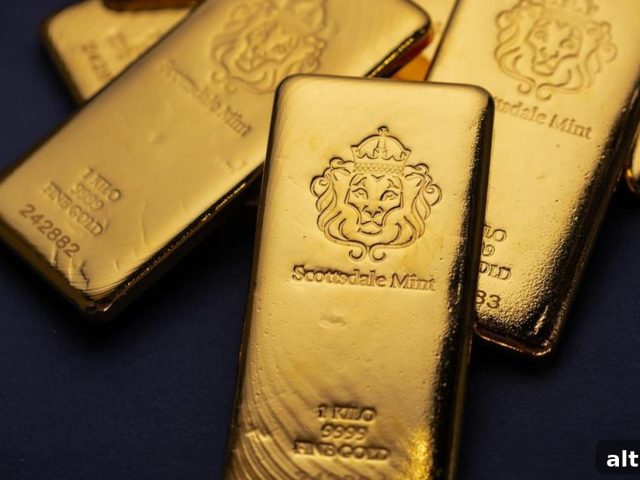
Gold made modest gains on Wednesday after a softer U.S. dollar and renewed trade concerns provided support for the precious metal. Investors are closely watching upcoming U.S. producer price inflation (PPI) figures, which could influence expectations for the Federal Reserve’s interest rate trajectory and therefore shape demand for gold.
Dollar Moves and Trade Tension: Drivers of the Move
A weaker U.S. dollar tends to make dollar-priced commodities like gold more attractive to holders of other currencies, and that dynamic helped lift prices. At the same time, renewed attention to trade policies — including the headline-grabbing decision to impose a new 19% tariff on imports from Indonesia — reinforced safe-haven demand.
Trade uncertainty can encourage a shift into assets perceived as stores of value. When tariffs are announced or trade negotiations stall, market participants often reassess risk and capital allocation, which can provide intermittent support for gold even when other macro indicators are mixed.
Inflation, PPI and the Fed
Market participants are awaiting the PPI report because wholesale inflation readings give clues about underlying consumer price trends and potential future pressure on the economy. If producer inflation continues to run hot, it may increase the likelihood that policymakers keep interest rates higher for longer. Conversely, a softer PPI print could reduce rate-hike expectations and support risk assets.
Gold’s sensitivity to real interest rates means that any change in the outlook for the Fed’s policy path can influence bullion prices. Higher real rates typically raise the opportunity cost of holding non-yielding assets such as gold, while expectations of easing or a stable rate environment can make gold more appealing as part of a diversified portfolio.
Technical Picture: Repeated Resistance Around $3,400
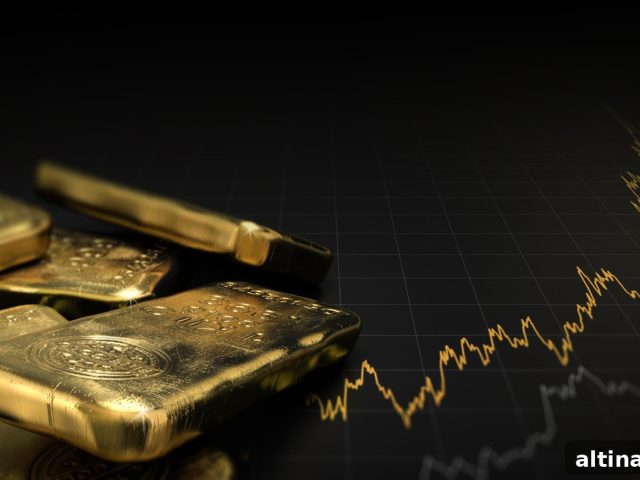
Technically, gold has encountered repeated resistance in the vicinity of $3,400 per ounce. The market has tested that level multiple times but has so far struggled to break decisively above it, producing a short-term pause in the uptrend. Traders and analysts interpret such resistance zones as areas where selling pressure or profit-taking offsets buying interest, and breaking through them often requires a catalyst—be it stronger inflation data, a clear policy shift, or heightened geopolitical risk.
Analysts caution that a pause at resistance does not necessarily signal a reversal. Rather, it can be a consolidation phase as markets digest incoming data and reassess positions. Continued elevated inflation readings and fresh trade measures remain potential catalysts that could help gold overcome technical hurdles.
Analyst Outlook and Silver’s Performance
Some analysts remain bullish on the metal. For example, ANZ projects that gold could climb toward $3,600 per ounce by the end of 2025, reflecting expectations that broader macro and policy factors will ultimately support higher prices. While forecasts vary across analysts and institutions, the consensus among bullish voices is that current resistance may be temporary if inflationary pressures persist and trade risks intensify.
Meanwhile, silver outperformed on the day, rising 0.6% to $37.93 per ounce. The metal’s stronger performance reflects its dual role as both a precious metal and an industrial commodity. Robust industrial demand for silver, combined with constrained supply, can create upward pressure on prices. Its industrial applications—ranging from electronics to solar panels—mean silver often responds differently than gold to economic signals, and periods of tight supply can accentuate price moves.
What to Watch Next
Looking ahead, the market will focus on several key elements that could determine the near-term trajectory for gold and silver:
- U.S. producer price inflation data and subsequent revisions to Fed rate expectations;
- Further developments in trade policy, including any additional tariffs or negotiations that affect global supply chains;
- Movements in the U.S. dollar and real interest rates, which typically influence demand for precious metals;
- Supply and demand dynamics for silver driven by industrial activity and mining output.
In short, gold’s recent modest advance reflects a mix of currency dynamics, trade-related risk, and investor positioning ahead of important inflation data. Silver’s continued outperformance highlights the metal’s sensitivity to industrial demand and supply tightness. Traders and long-term investors alike will be watching incoming economic releases and policy signals to gauge whether current resistance levels are temporary or a sign of a more sustained pause.
Popular Topics
Picked from the archive
-
01
 Topics
Gold Prices Slip After Trump Confirms Powell Will Stay
-
02
Topics
US Mediates Congo Mineral Deal to Secure Strategic Metals Supply
-
03
Topics
Incrementum Gold Compass: July 2025 Market Outlook
-
04
Topics
4 Trillion AI Milestone Sparks Valuation Concerns
-
05
Topics
Oil Price Tops $65 as US-China Trade Talks Lift Markets
-
06
Topics
Carney Threatens Counter Tariffs if Trade Deal Fails by July 21
-
07
Topics
Gold Holds Above $3,400 as Geopolitical Risk Fuels Rally
-
08
Topics
CBO: Trump Tax Cuts Add $2.8 Trillion to US Debt