Trump’s Fed Shake-Up: Hassett and Bessent Top Picks
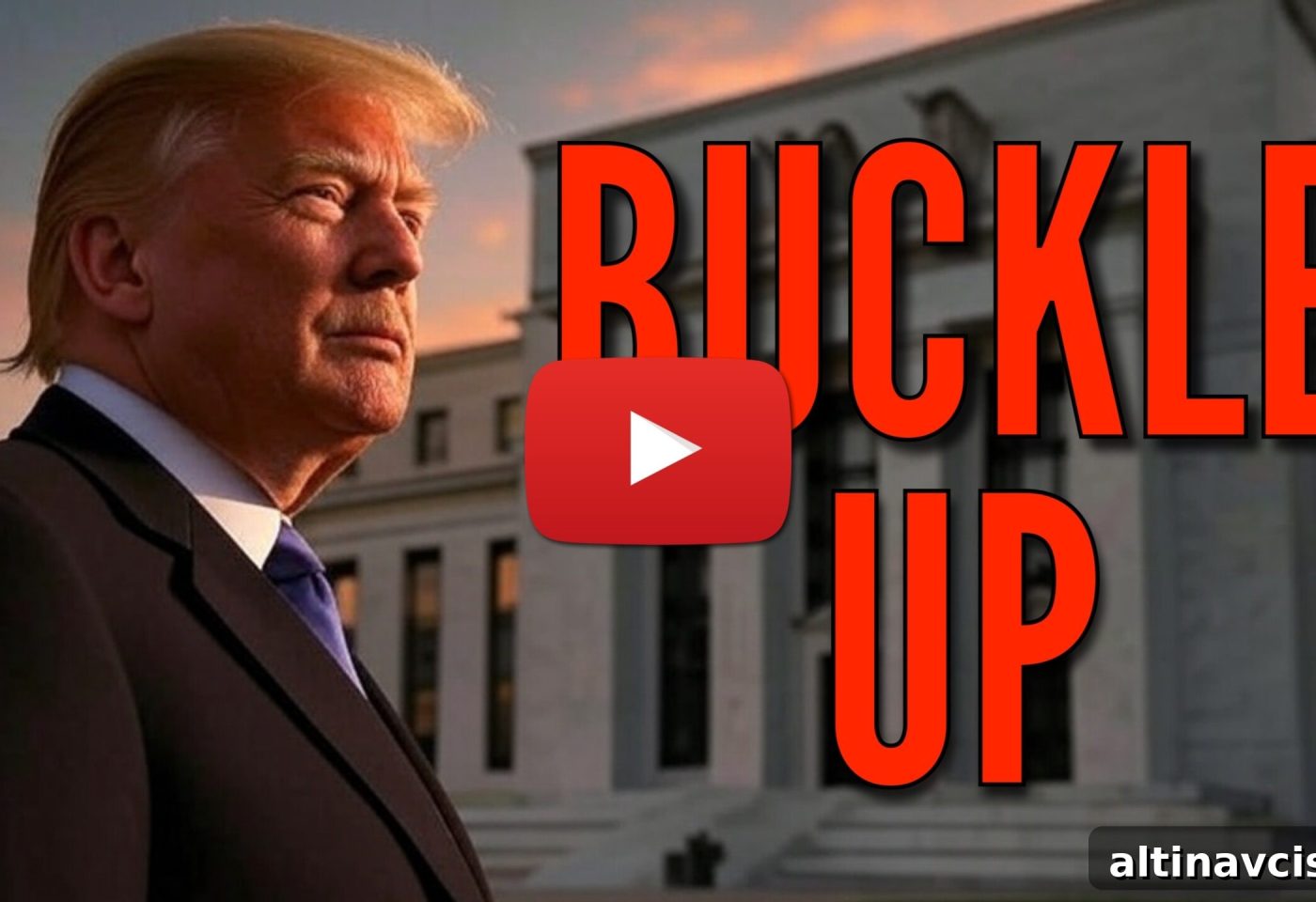
President Trump is intensifying calls to replace Federal Reserve Chair Jerome Powell, and the roster of potential successors is expanding quickly. High-profile names being discussed include Kevin Hassett, Scott Bessent, and Kevin Warsh, each of whom has offered pointed critiques of the Fed’s recent policy direction. Trump has been particularly vocal about wanting lower interest rates and has criticized Powell for not moving aggressively enough to ease monetary policy.
Among the scenarios under consideration is a two-step approach: first appointing Kevin Hassett to the Federal Reserve Board, then elevating him to Fed Chair when Jerome Powell’s term ends next May. That timing would allow a new appointee to assume leadership as the Board’s composition shifts. Trump has also expressed a preference for Scott Bessent in public remarks, even quipping that he likes Bessent more than Powell. He has not ruled out the unconventional possibility of combining the Treasury and Federal Reserve responsibilities in a single individual—an arrangement not seen since 1935—though that would raise significant institutional and political questions.
Any change at the top of the Federal Reserve could carry substantial consequences for monetary policy, particularly if Trump secures a second term. A new chair aligned with the president’s calls for lower rates could pivot the Fed toward a more accommodative stance, potentially accelerating interest-rate cuts or adopting a looser interpretation of inflation targets. Conversely, such a shift could prompt pushback from Fed officials who prioritize price stability and long-term credibility, underscoring the delicate balance between political preferences and central bank independence.
The debate over leadership touches on several key economic issues. Inflation dynamics, the global trade environment shaped by tariffs, and the timing and magnitude of potential rate cuts are all factors that a new Fed chair would need to weigh. Markets would likely react quickly to any credible signal that the Fed’s policy outlook was changing. Lower interest rates could support economic growth in the near term but might also stoke inflationary pressures later, complicating policymakers’ decisions.
Financial markets, businesses, and investors are already parsing the implications. For bond and equity markets, the prospect of easier monetary policy typically reduces borrowing costs and can lift asset prices, though much depends on how the Fed communicates its intentions and how markets interpret the credibility of those signals. Bank lending, mortgage rates, and corporate financing conditions would also feel the effects of a sustained shift in Fed policy.
Gold investors, in particular, should pay close attention. Historically, gold prices have been sensitive to expectations for real interest rates, the strength of the dollar, and inflation prospects. A Fed tilt toward lower nominal or real rates tends to weaken the dollar and reduce the opportunity cost of holding non-yielding assets such as gold, often supporting higher bullion prices. At the same time, geopolitical developments, trade tensions, and fiscal policy choices can amplify or temper those effects.
The nomination and confirmation process is another crucial part of this story. The president nominates the Fed Chair and governors, but nominees must be confirmed by the U.S. Senate. That process can be politically charged, influenced by the Senate’s composition and prevailing economic conditions at the time of nomination. Any move to reshape the Fed’s leadership would therefore involve both executive decision-making and legislative scrutiny.
Beyond the immediate policy implications, the conversation about replacing Jerome Powell reflects broader questions about the Fed’s role in managing growth, employment, and price stability. Advocates for a more dovish posture argue that lower rates can sustain growth and support jobs, while proponents of a cautious, data-driven approach emphasize the risks of letting inflation expectations become unanchored. The next Fed chair’s approach to these trade-offs will shape markets and the economy for years.
For now, the discussion remains speculative: names are being floated, strategies are being debated, and political signals continue to evolve. But the potential for a significant pivot in U.S. monetary policy is clear, and stakeholders—from policymakers to individual investors—would be wise to monitor developments closely as the timeline for any appointment draws nearer.
Popular Topics
Picked from the archive
-
01
 Topics
Recession 2025: Why Economists Disagree on What’s Next
-
02
Topics
Bullion Premiums: How to Spot Fair Prices
-
03
Topics
Gold Price Falls Below $3,340 Ahead of Fed Comments
-
04
Topics
Goldman Sachs: Oil Could Reach $110 Amid Iran Shipping Threat
-
05
Topics
Silver Price Hits Highest Level Since 2012 as Demand Surges
-
06
Topics
Trump Imposes 50% Copper Tariff, Targets Pharma and Chips
-
07
Topics
China Cuts Critical Mineral Exports, Prices Soar
-
08
Topics
Japan’s Finance Minister: U.S. Treasuries Could Sway Trade Talks