Gold Price Rises as Trump Escalates Trade Tensions with Asia
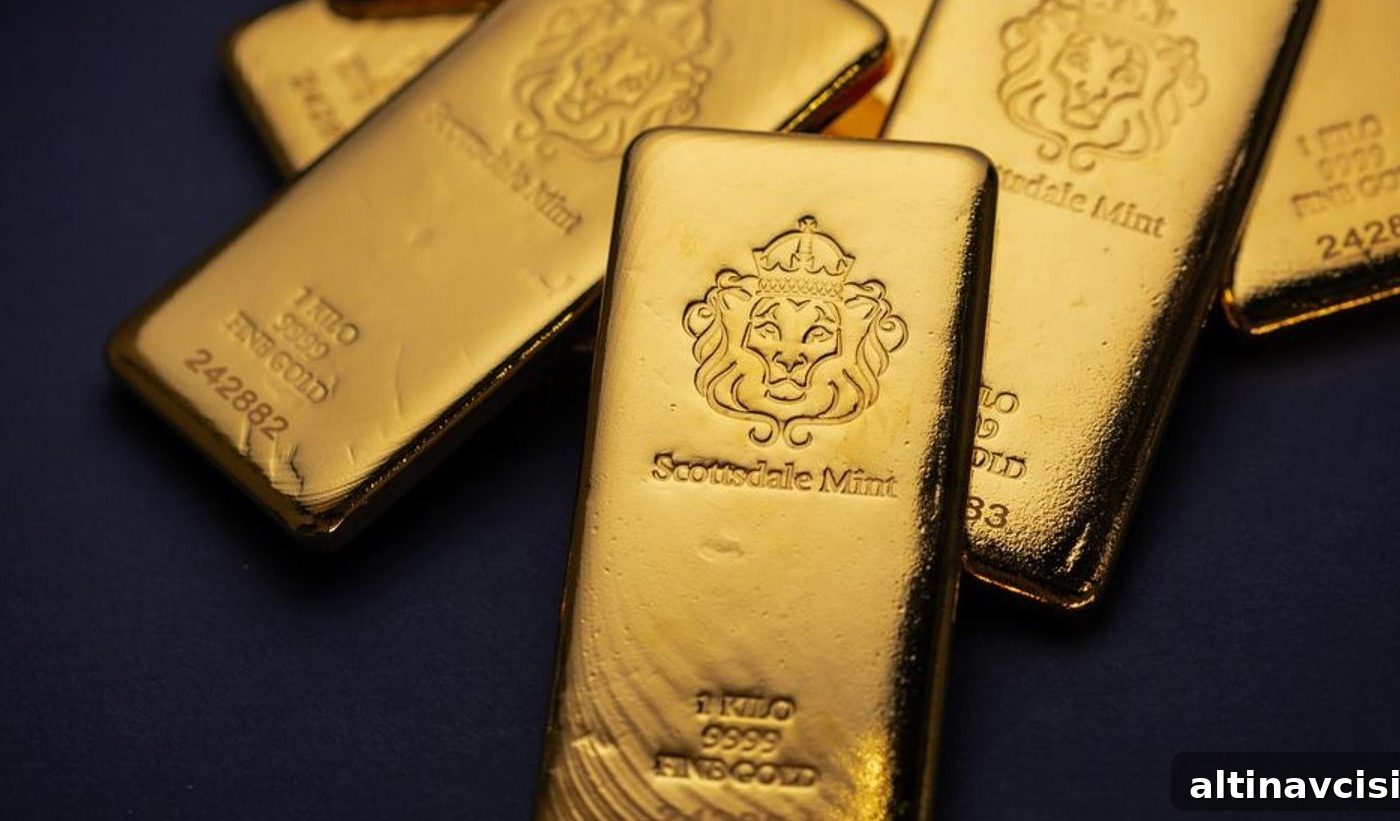
Gold Gains Ground After Tariff Announcement Spur Safe-Haven Buying
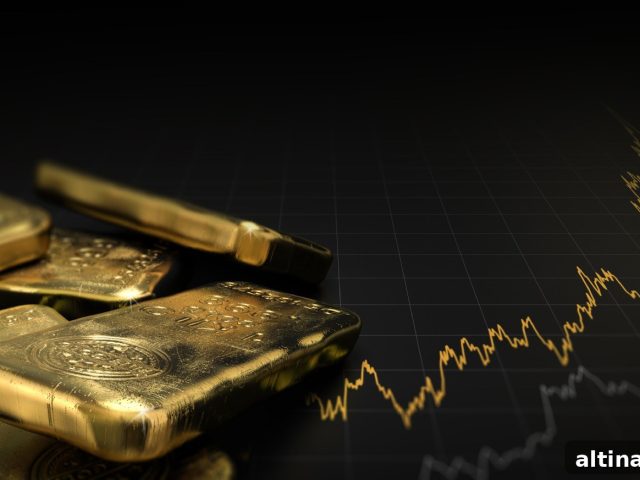
Gold prices pared earlier losses and returned to positive territory following an announcement that President Trump would impose a 25% tariff on goods from Japan and South Korea, effective August 1. The initial market reaction saw the dollar strengthen, which briefly pressured bullion. However, growing trade uncertainty prompted many investors to reallocate toward gold as a traditional safe-haven asset.
Immediate Market Reaction: Dollar Strength and a Quick Rebound
In the immediate aftermath of the tariff announcement, a stronger U.S. dollar weighed on gold. Historically, a firmer dollar can make dollar-priced commodities like gold more expensive for holders of other currencies, often leading to short-term selling. That dynamic drove a dip in the early session.
Yet that dip was short-lived. As investors digested the broader implications of tariffs and potential trade escalation, demand for safe assets increased. Gold’s rebound reflects how geopolitical or policy shocks can shift investor preferences rapidly — even when the immediate technical drivers, such as currency moves, push prices lower.
Why Gold Is Still Attractive
Several structural factors continue to support gold. So far this year, bullion has climbed by more than 25%, underpinned by a steady backdrop of central bank purchases and healthy inflows into gold-backed exchange-traded funds (ETFs). Central banks in a number of economies have been net buyers of gold as part of reserve diversification strategies. Meanwhile, ETFs remain a convenient vehicle for global investors seeking exposure to gold without holding physical metal.
These flows have helped sustain a positive price trend even amid periods of volatility. In addition to demand from institutions and funds, individual investors often turn to gold during times of policy uncertainty—whether that uncertainty surrounds trade, fiscal policy, or central bank action.
Tariff Risks and Market Sentiment
The announced 25% tariff on imports from Japan and South Korea adds another layer of uncertainty to trade relations. Markets typically dislike uncertainty because it complicates profit forecasts and increases the risk premium investors demand for holding riskier assets. In that environment, safe-haven assets like gold and certain government bonds tend to see increased interest.
While the scope and duration of the tariff measures will determine their long-term economic impact, the immediate effect on investor psychology is easier to observe: heightened awareness of geopolitical and trade risks tends to support demand for hedges, and gold is one of the most commonly used instruments for that purpose.
Outlook and Considerations for Investors
Looking ahead, several factors will influence gold’s direction. Currency movements, especially the U.S. dollar, remain an important near-term driver. If the dollar continues to strengthen, it may cap gold’s upside in the short run. Conversely, renewed risk aversion or further policy measures that increase uncertainty could lift gold prices.
Investors considering exposure to gold should weigh both the traditional use of bullion as a hedge against geopolitical or economic shocks and the technical forces that affect short-term price action, including ETF flows and central bank transactions. Diversification and a clear investment horizon can help manage the volatility that sometimes accompanies safe-haven assets.
Conclusion
The tariff announcement—set to take effect on August 1—triggered an initial dollar-fueled pullback in gold, but rising concerns about trade and market uncertainty encouraged investors to return to bullion. Supported by ongoing central bank purchases and steady ETF inflows, gold remains a prominent hedge in investors’ portfolios. As markets assess the broader implications of trade policy shifts, gold’s role as a refuge during uncertainty is likely to stay front and center.
Popular Topics
Picked from the archive
-
01
 Topics
US Economy Sees First GDP Decline Since 2022: Q1 Falls 0.3%
-
02
Topics
Tariffs Drive Up Consumer Prices as Inflation Rises
-
03
Topics
Bullion Premiums: How to Spot Fair Prices
-
04
Topics
Silver Approaches $40 Amid Tightening Supply and Trade Tensions
-
05
Topics
Russia Taps $1B Chinese Gold Market Amid Geopolitical Shift
-
06
Topics
Gold Prices Rise on Trade Tensions and Currency Moves
-
07
Topics
Goldman Sachs Sees Gold Price Reaching $4,000 by Mid-2026
-
08
Topics
Goldman Sachs: Central Bank Demand Pushes Gold Past Silver