August 1 Tariff Deadline: What U.S. Trade Partners Must Know
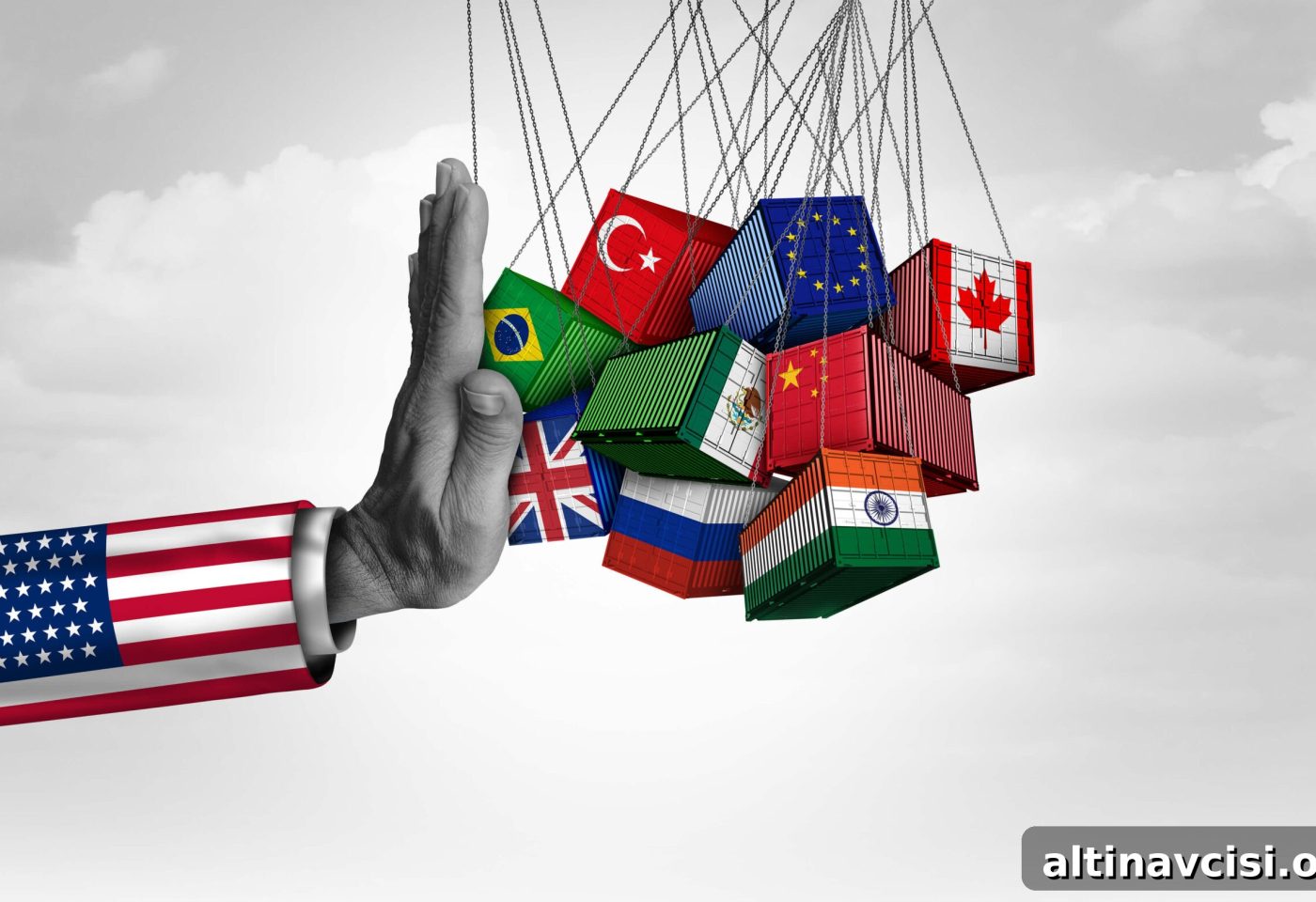
Trump Announces Major Tariffs on Imports; Markets and Manufacturers Brace
President Trump has announced a sweeping set of new tariffs on imported goods, imposing a 25% duty on products from Japan and South Korea and levying tariffs of up to 40% on imports from a dozen other countries. The measures, which are scheduled to take effect on August 1, have already revived concerns about global trade disruption and created significant uncertainty for businesses and financial markets.
Scope and Intent of the Tariff Policy
The administration presents the tariffs as part of a strategy to revive domestic manufacturing and protect American industries. By raising the cost of imported goods, policymakers expect to incentivize production and supply-chain decisions that favor domestic manufacturing. However, the announcement is broad in scope and applies different rates to multiple trading partners, increasing the complexity of implementation and the potential for unintended consequences.
Immediate Market Reactions
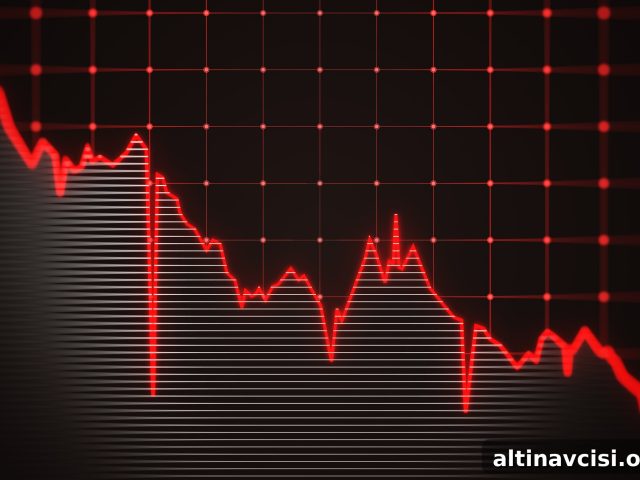
Financial markets reacted quickly to the announcement. Investors are reassessing risk amid fears that elevated trade barriers could slow global economic activity. Reports indicate bond yields have risen in response to the news, reflecting shifting expectations about growth and inflation. The heightened volatility underscores how sensitive global markets are to trade policy changes that could disrupt established supply chains and trade flows.
Potential Economic and Business Impacts
Higher import duties tend to raise costs for domestic firms that rely on foreign inputs, which can be passed on to consumers through higher prices. Companies with complex international supply chains—particularly in sectors such as electronics, automotive, and consumer goods—may face increased production costs and operational challenges. Small and medium-sized businesses that lack the flexibility to quickly reconfigure supply chains could be disproportionately affected.
On the other hand, some domestic producers that compete directly with imported goods may benefit from reduced foreign competition. The net effect on employment, investment, and industry health will vary across sectors and regions, and much depends on how long the tariffs remain in place and how trading partners respond.
International Responses and Retaliation Risk
President Trump warned that any retaliatory tariffs from affected countries would be met with even higher U.S. duties. That signaling raises the stakes for diplomatic and economic relations, as retaliatory measures could escalate into broader trade confrontations. Historical experience suggests such tit-for-tat measures can slow trade, raise consumer prices, and strain bilateral ties. At the same time, the threat of escalation may prompt negotiations aimed at limiting the scope of punitive actions.
Negotiations and Uncertainty
Despite the firm language of the announcement, the administration indicated negotiations remain possible. Trade talks, exemptions, or phased implementations could alter the final outcome, and businesses are monitoring for guidance on enforcement, product classifications, and potential carve-outs. The combination of announced tariffs and the possibility of negotiations has created a high degree of policy uncertainty—an environment that typically discourages immediate investment decisions and complicates corporate planning.
Broader Economic Risks
Analysts and market participants are watching for signs that the tariffs could slow global growth or tip already-fragile economies toward contraction. The increase in bond yields and the rise in recession concerns reflect widespread worry that higher trade barriers could ripple through supply chains, reduce consumer purchasing power, and dampen business investment. How pronounced those effects become will depend on the duration of the tariffs, the scale of retaliatory measures, and the adaptability of firms and consumers.
What Businesses and Consumers Should Watch
Companies should assess their exposure to affected trade routes and consider contingency plans for supply-chain disruption, cost increases, and changes in customer demand. Consumers may face higher prices on certain imported goods if companies pass through tariff costs. Policymakers, industry groups, and trading partners’ responses will be critical in shaping the near-term trajectory of trade tensions.
In sum, the announced tariffs mark a significant shift in trade policy with potentially wide-ranging implications. While intended to bolster domestic manufacturing, the move has already unsettled markets and heightened concerns about global economic stability. The coming weeks and months will determine whether negotiations can reduce tensions or whether a prolonged period of higher trade barriers will reshape international commerce and domestic industry dynamics.
Popular Topics
Picked from the archive
-
01
 Topics
Major Banks Split Over Gold’s Future
-
02
Topics
Trump’s 50% Tariff Threat Sparks Stock Market Turmoil
-
03
Topics
Yen Slips as BOJ Delays Inflation Target, Tariff Fears
-
04
Topics
Gold Price Drops Below USD 3,250 as Trade Talks Boost Markets
-
05
Topics
Copper Inventories Drop 80% Amid US Tariff Fears, Supply Crisis
-
06
Topics
US Initial Jobless Claims Jump to 240,000
-
07
Topics
Trump Imposes 35% Tariffs on Canadian Imports: Economic Impact
-
08
Topics
Incrementum Gold Compass: July 2025 Market Outlook