BRICS Criticize Tariff Hikes as Trump Threatens 10 Percent
BRICS Summit in Brazil Voices Concern Over Rising Tariffs and Middle East Violence
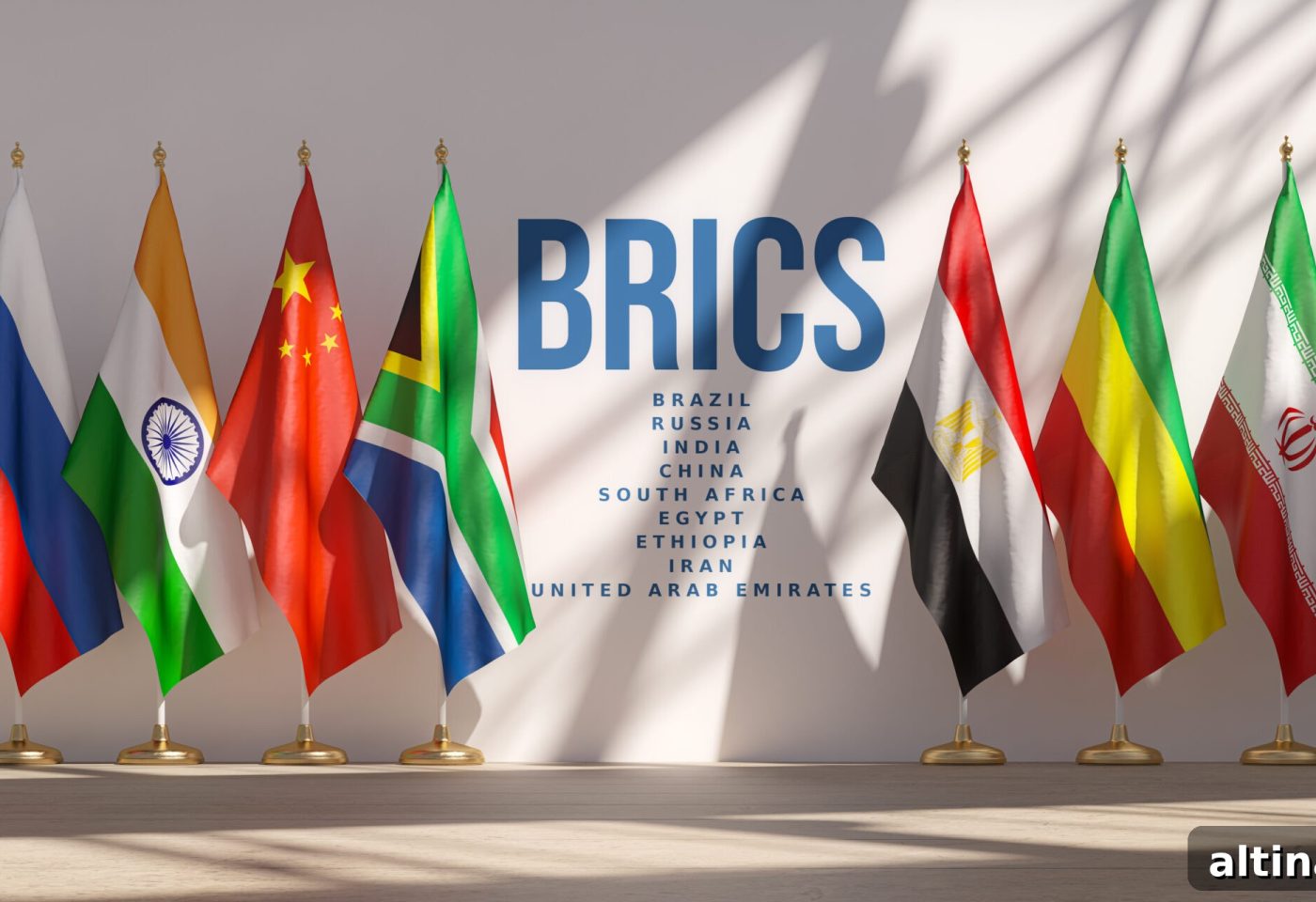
The BRICS nations convened in Brazil for a two-day summit marked by cautious but pointed criticism of rising tariffs and worsening military violence in the Middle East. Delegates released statements condemning attacks on Iran and highlighting the humanitarian crisis in Gaza, while deliberately avoiding direct reference to the United States or to President Trump by name. Notably, two of the bloc’s most prominent leaders, Xi Jinping and Vladimir Putin, did not attend the meeting in person.
Deliberate Language, Focused Messaging
The communiqués and public remarks from the summit were framed carefully. While the group openly criticized actions that have escalated tensions and aggravated humanitarian conditions in the Middle East, members stopped short of assigning responsibility to any single nation. This measured tone extended to economic matters as well: the BRICS statement highlighted concerns about rising tariffs globally without explicitly naming countries or leaders that might be driving those policies.
By avoiding direct references to specific governments, the bloc maintained a posture intended to preserve diplomatic flexibility among its diverse membership. That approach allowed BRICS to register opposition to developments seen as destabilizing while reducing the risk of further polarization within the group or immediate diplomatic reprisals against individual member states.
Absent Leaders and Political Calculations
The absence of Xi Jinping and Vladimir Putin from the in-person sessions was a conspicuous aspect of the gathering. Their nonattendance did not prevent the bloc from issuing statements, but it did shape perceptions of the summit’s political weight and the extent to which the BRICS declaration represented a fully unified front. The meeting relied on representation from other senior officials and ministers to articulate the group’s positions on trade, conflict, and humanitarian priorities.
Condemnation of Attacks and Humanitarian Concerns
Among the most emphatic elements of the summit’s output was condemnation of attacks on Iran and an explicit expression of concern over the humanitarian situation in Gaza. The BRICS members underscored the need to protect civilians, extend humanitarian assistance, and seek de-escalation. These points were presented as priorities for international cooperation and relief efforts rather than steps tied to immediate political alignments.
At the same time, the summit’s communiqués did not include direct criticism of Russia’s actions in Ukraine. That omission reflected the varying perspectives within BRICS and illustrated the challenges the group faces when attempting to reconcile differing national interests on major geopolitical flashpoints.
U.S. Response and Trade Tensions
Following the summit, President Trump issued a threat to impose an additional 10% tariff on any country that aligns with what he described as the “Anti-American policies of BRICS.” That declaration heightened the stakes of the meeting’s rhetoric and underscored how geopolitical disputes and trade policy can quickly intersect. The tariff threat signaled the potential for economic retaliation against states perceived to be pursuing policies contrary to U.S. interests.
In response to that risk, Brazil — as the summit host — emphasized less controversial themes such as trade cooperation and global health initiatives. Brazilian officials aimed to steer discussions toward areas where consensus could be reached and practical collaboration pursued, in part to minimize the possibility of provoking punitive economic measures or diplomatic fallout.
Balancing Diplomacy and Economic Realities
The summit illustrated the delicate balancing act faced by BRICS members: articulating concern about regional conflicts and global economic trends while preserving the group’s internal cohesion and avoiding actions that could trigger swift economic countermeasures. By prioritizing humanitarian appeals and trade dialogue, Brazil and other participants sought to maintain a constructive tone and signal a willingness to work on common problems despite divergent foreign policy priorities.
Overall, the two-day meeting in Brazil highlighted both the influence and the limitations of the BRICS format. The bloc was able to issue measured critiques and draw attention to pressing humanitarian and trade issues, but it also demonstrated how differing national interests and the absence of key leaders can constrain the scope and forcefulness of collective statements.
Popular Topics
Picked from the archive
-
01
 Topics
Half of Central Banks Predict US Debt Restructuring
-
02
Topics
Markets Shaken by Trump $3.8T Tax Bill and Debt Risks
-
03
Topics
Gold Revaluation: What It Means for the U.S. Dollar and Economy
-
04
Topics
Greenland Resources Wins 30-Year Permit for Defense Molybdenum
-
05
Topics
US-China Trade Drops 34% Despite Tariff Deal
-
06
Topics
Silver Poised to Rally After Gold’s Bull Run
-
07
Topics
Platinum Price Surges Past $1,400 Amid Global Supply Squeeze
-
08
Topics
India’s Gold Market Splits: Investments Rise, Jewelry Sales Fall