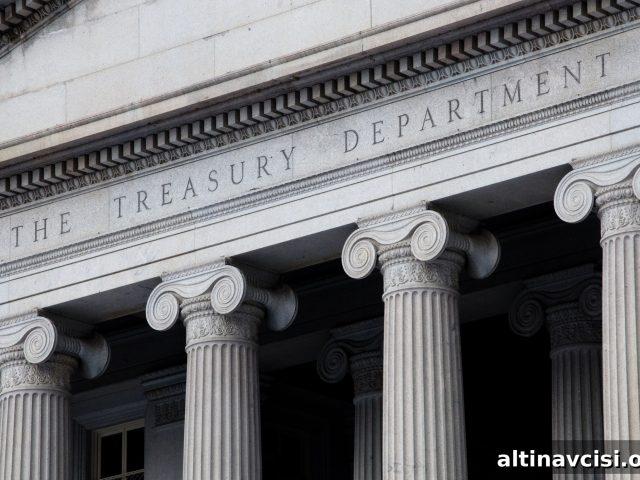
Bessent: Can Stablecoins Protect the US Dollar’s Reserve Status?

Dollar-Backed Stablecoins and the Future of the US Dollar as Reserve Currency
Treasury Secretary Scott Bessent has suggested that dollar-backed stablecoins could play a central role in preserving the US dollar’s position as the world’s dominant reserve currency. Drawing a comparison to the era of the petrodollar in the 1970s, he envisions a new generation of digital assets — privately issued but anchored to the dollar — helping to extend the currency’s global reach into the digital age.
What Bessent’s Proposal Means
At its core, the idea is straightforward: stablecoins that are fully backed by US dollars or equivalent dollar-denominated assets can offer the speed, programmability, and accessibility of digital money while maintaining parity with the dollar. Proponents argue that such instruments could make dollar-denominated transactions easier across borders, reduce reliance on slower legacy payment systems, and keep international commerce tied to the dollar ecosystem.
According to Bessent’s perspective, thoughtfully regulated dollar-backed stablecoins might serve as a modern counterpart to earlier mechanisms that helped cement the dollar’s global role. By combining private-sector innovation with public oversight, policymakers could harness technological benefits without ceding monetary control.
Global Reactions and Competing Approaches
Not everyone shares this optimistic view. International financial leaders and central banks have raised concerns that privately issued digital currencies could weaken public authorities’ control over monetary policy, financial stability, and anti-money-laundering safeguards. Central banks emphasize the importance of preserving the integrity of national monetary systems and ensuring that private tokens do not fragment or undermine established frameworks.
Meanwhile, several jurisdictions are pursuing their own strategies. Hong Kong and South Korea, among others, are exploring currency-backed or national stablecoin initiatives to support domestic and regional payments infrastructure. These efforts reflect a broader trend: nations are assessing how digital forms of money might enhance efficiency, inclusiveness, and competitiveness, while also protecting core monetary functions.
Potential Benefits of Dollar-Backed Stablecoins
When designed and regulated carefully, dollar-backed stablecoins could offer clear benefits. They may lower cross-border transaction costs, reduce settlement times, and enable programmable payments that support smart contracts and automated commerce. For businesses and consumers, stablecoins can simplify access to dollar liquidity in regions where direct access to US banking is limited or expensive.
From a geopolitical perspective, a regulated and widely adopted dollar-backed stablecoin ecosystem could reinforce the dollar’s role in trade invoicing, reserves, and international finance by providing a seamless digital bridge between traditional banking and decentralized applications.
Key Risks and Policy Concerns
Despite potential advantages, significant risks remain. Private stablecoins could introduce new channels for systemic risk if issuers fail to maintain adequate reserves or if redemption mechanisms break down during periods of market stress. There are also concerns about consumer protection, privacy, and the potential for illicit finance if oversight is weak.
Central banks stress that monetary sovereignty matters: when large volumes of economic activity move onto privately governed rails, regulators may lose visibility and influence over monetary conditions. This has prompted calls for robust transparency, prudential safeguards, and clear contingency plans to prevent disruption to payments systems and financial stability.
Regulatory Pathways and the Road Ahead
The debate over dollar-backed stablecoins centers on finding the right balance between innovation and oversight. Effective regulation would likely require clear rules on reserve management, redemption guarantees, auditability, and compliance with banking and anti-money-laundering standards. Cooperation between domestic regulators, international banking authorities, and private issuers will be essential to develop interoperable standards that protect users while enabling growth.
Policymakers must also weigh how national stablecoin initiatives interact with private offerings and central bank digital currency (CBDC) projects. Each approach carries distinct implications for competition, privacy, and systemic resilience.
Conclusion
Bessent’s argument that dollar-backed stablecoins could help sustain the US dollar’s reserve currency role illustrates a broader conversation about the future of money. While digital dollar-linked tokens could reinforce dollar dominance in a more digital global economy, success depends on building a regulatory framework that addresses systemic risks, protects consumers, and preserves public monetary authority. As countries and financial institutions pursue divergent paths — from private stablecoins to state-backed digital currencies — the coming years will be decisive in shaping how the world uses and values currency in the digital era.
Popular Topics
Picked from the archive
-
01
 Topics
Gold Drops from Record Highs as Global Trade Relations Improve
-
02
Topics
Oil Posts Largest Monthly Drop Since 2022 as Prices Stabilize
-
03
Topics
Fed Says It’s Poised to Wait as Trade Policy Remains Unclear
-
04
Topics
Australia’s Central Bank Delays Rate Cut as Inflation Eases
-
05
Topics
Foreign Treasury Selloff Threatens U.S. Borrowing Costs
-
06
Topics
US Credit Downgrade Sparks Gold Price Rally
-
07
Topics
Gold Falls Below USD 3,350 After Strong US Jobs Report
-
08
Topics
Kevin O’Leary Rejects Wall Street’s 2025 Recession Forecast