Gold and Silver Hold as Markets Monitor Fed Policy, US Deficit

Gold Holds Near $3,330 as Markets Digest Tax Plan and Await Employment Data
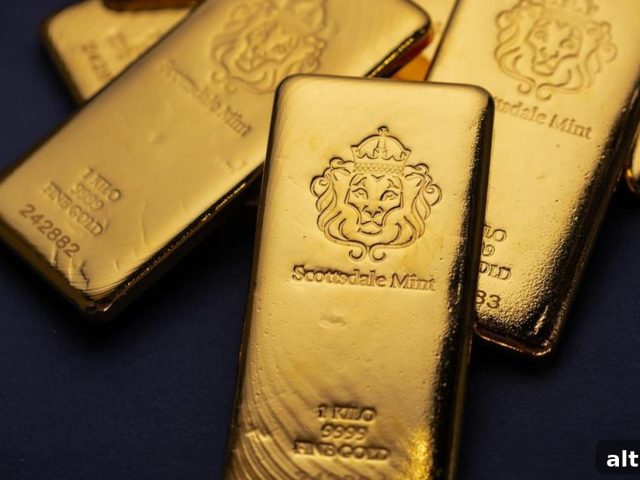
Gold prices remained steady around $3,330 an ounce after a two-day rally that added about 2% to bullion’s value. Traders and investors are parsing the implications of the Senate’s approval of President Trump’s tax legislation, which forecasters estimate could add roughly $3.3 trillion to the federal deficit over the next decade. That kind of fiscal expansion can increase interest in gold as a safe-haven asset, since larger deficits may raise concerns about inflation, currency depreciation or greater monetary accommodation down the line.
Focus Turns to June Employment Report
Attention is now on Thursday’s June employment report, which many expect will show slower job growth and a modest rise in the unemployment rate. Labor market softness would strengthen arguments for the Federal Reserve to ease policy, or at least to be more patient about raising rates further. Because gold does not pay interest, it tends to benefit when real yields fall or when market participants anticipate easier monetary policy.
Why Interest Rates Matter for Gold
Gold’s appeal is closely linked to interest-rate expectations. When central banks lower rates or signal that they will keep policy loose, the opportunity cost of holding non-yielding assets such as gold declines. Lower yields also weigh on the dollar in many scenarios, which can help lift gold priced in dollars. Investors therefore watch central bank guidance, inflation signals and macroeconomic indicators — like employment and job openings — that influence rate outlooks.
Recent Data and Market Drivers
Earlier in the week, a stronger-than-expected reading on job openings briefly tempered hopes for a July rate cut, demonstrating how quickly market expectations can shift on incoming data. Still, gold has posted strong returns this year, rising more than 25% year-to-date and trading roughly $170 below its record high set in April. Several factors have contributed to that advance, including elevated geopolitical tensions, steady central bank purchases of bullion and robust inflows into gold-backed exchange-traded funds (ETFs).
Safe-Haven Demand and Structural Support
Bullion often benefits from periods of geopolitical uncertainty and risk aversion, as investors seek assets that can preserve purchasing power. Central banks have been important structural buyers of gold in recent years, diversifying reserves away from other assets and increasing demand. Meanwhile, ETF inflows provide a convenient channel for global investors to gain exposure to physical gold, amplifying demand during bouts of market stress or when rate expectations turn more dovish.
Market Outlook and Key Risks
Looking ahead, gold’s path will be shaped by a combination of macroeconomic data, central bank communication and geopolitical developments. Stronger-than-expected economic readings — especially in the labor market — could push rate expectations higher and weigh on gold, while softer data or intensifying global tensions could support further gains. Fiscal decisions that meaningfully expand deficits can also play a role by nudging inflation expectations or influencing currency markets.
For now, bullion’s recent resilience reflects a balance of those forces: near-term data have produced mixed signals, but broader trends — including central bank purchases and ETF demand — continue to underpin prices. Investors will closely monitor Thursday’s employment report and subsequent Fed commentary for clearer direction on monetary policy and potential implications for gold.
Popular Topics
Picked from the archive
-
01
 Topics
Gold Prices Slip After Trump Confirms Powell Will Stay
-
02
Topics
US Mediates Congo Mineral Deal to Secure Strategic Metals Supply
-
03
Topics
Incrementum Gold Compass: July 2025 Market Outlook
-
04
Topics
4 Trillion AI Milestone Sparks Valuation Concerns
-
05
Topics
Oil Price Tops $65 as US-China Trade Talks Lift Markets
-
06
Topics
Carney Threatens Counter Tariffs if Trade Deal Fails by July 21
-
07
Topics
Gold Holds Above $3,400 as Geopolitical Risk Fuels Rally
-
08
Topics
CBO: Trump Tax Cuts Add $2.8 Trillion to US Debt