World Silver Survey 2025: Silver Institute Market Forecast
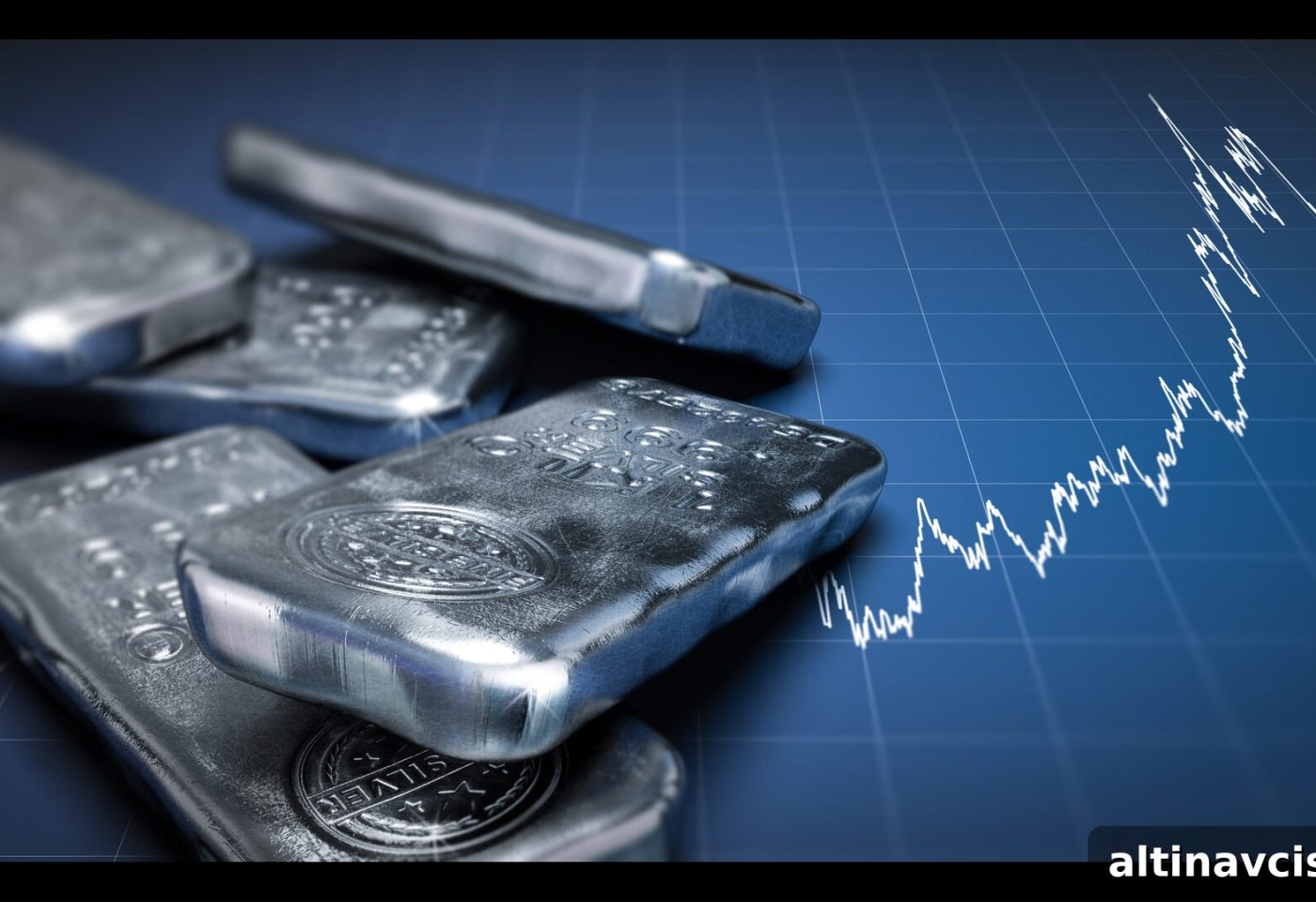
World Silver Survey 2025: Fifth Straight Year of Global Silver Deficit
The Silver Institute’s World Silver Survey 2025 documents a fifth consecutive year of supply shortfalls for silver, underscoring persistent structural tightness across the global market. The 92-page report shows the market recorded a deficit of 148.9 million ounces in 2024, a decline from the unusually large deficit of 200.6 million ounces reported for 2023, while industrial demand surged to a record 680.5 million ounces.
Several factors combined to produce these outcomes: expanding industrial use, only modest gains in primary mine output, shifting patterns of investment demand, and continued technological adoption that relies on silver. The survey’s findings point to ongoing pressure on available supplies and signal potential price support going forward, although further drawdowns of above-ground stocks may be needed before silver can significantly outpace gold.
Key Highlights
- Average silver price in 2024 was $28.27 per ounce, up 21% year-over-year and the highest annual average since 2012.
- Industrial fabrication reached a new all-time high, with demand driven by solar photovoltaics, 5G infrastructure, and increasingly complex automotive electronics.
- Global mine production rose only modestly—0.9%—to 819.7 million ounces, providing limited relief to the market deficit.
- Physical investment demand contracted by 22% as many Western investors took profits, while India bucked the trend with investment increasing by 21%.
Drivers Behind Record Industrial Demand
Industrial demand for silver hit a record in 2024, largely reflecting its irreplaceable role in several high-growth technologies. The solar sector remains a major consumer of silver, even as manufacturers pursue “thrifting” measures that slightly reduce silver loadings per panel. Deployments of 5G infrastructure and the rise of electrified and electronically sophisticated vehicles have also increased consumption in contacts, solder, and conductive inks. These cumulative industrial trends are the primary reason the market remains in deficit despite modest growth in mine output.
Supply Trends and Mine Production
Primary and by-product silver production provided only a marginal increase in 2024, with global mine output rising 0.9% to 819.7 million ounces. That incremental gain was insufficient to offset the surge in industrial demand and the continued shift in investment flows. Recycling and secondary supply contribute to overall availability, but their growth has not matched the pace of consumption in recent years, leaving the market reliant on above-ground inventories to balance demand and supply.
Investment Demand and Regional Patterns
Physical investment fell sharply in many Western markets in 2024 as investors realized gains after price appreciation, contributing to a 22% decline in investment demand overall. By contrast, India experienced a notable increase in buying, with demand up 21% year-over-year. These divergent regional behaviors show how local market dynamics and cultural preferences for physical metal continue to influence global demand patterns.
Outlook for 2025
Looking ahead, the report forecasts another market deficit in 2025, estimated at 117.6 million ounces. Industrial demand is expected to remain near record levels even as some sectors pursue efficiency gains and thrifting. Macro factors—such as global economic uncertainty and the prospect of U.S. interest-rate cuts—could support further price strength, though analysts note that a sustained and pronounced outperformance versus gold may depend on additional reductions in above-ground stocks.
Implications for Markets and Supply Chains
The persistent deficits underscore both the metallic importance of silver for modern technology and the potential vulnerability of supply chains. Manufacturers may continue to innovate around lower silver loadings where feasible, but many high-performance applications still require silver’s unique electrical and thermal properties. For investors, the combination of ongoing deficits, record industrial demand, and monetary policy considerations suggests a complex backdrop for silver prices where both demand-side growth and inventory dynamics will be important to monitor.
Overall, the World Silver Survey 2025 reinforces that silver remains a critical industrial metal with investment appeal, facing a supply environment that has been tight for several years. Stakeholders across mining, manufacturing, and finance will be watching supply, recycling trends, and stock levels closely as the market evolves.
Popular Topics
Picked from the archive
-
01
 Topics
Gold Drops from Record Highs as Global Trade Relations Improve
-
02
Topics
Oil Posts Largest Monthly Drop Since 2022 as Prices Stabilize
-
03
Topics
Fed Says It’s Poised to Wait as Trade Policy Remains Unclear
-
04
Topics
Australia’s Central Bank Delays Rate Cut as Inflation Eases
-
05
Topics
Foreign Treasury Selloff Threatens U.S. Borrowing Costs
-
06
Topics
US Credit Downgrade Sparks Gold Price Rally
-
07
Topics
Gold Falls Below USD 3,350 After Strong US Jobs Report
-
08
Topics
Kevin O’Leary Rejects Wall Street’s 2025 Recession Forecast