Jobless Claims Fall to Six-Week Low, Signaling Labor Strength
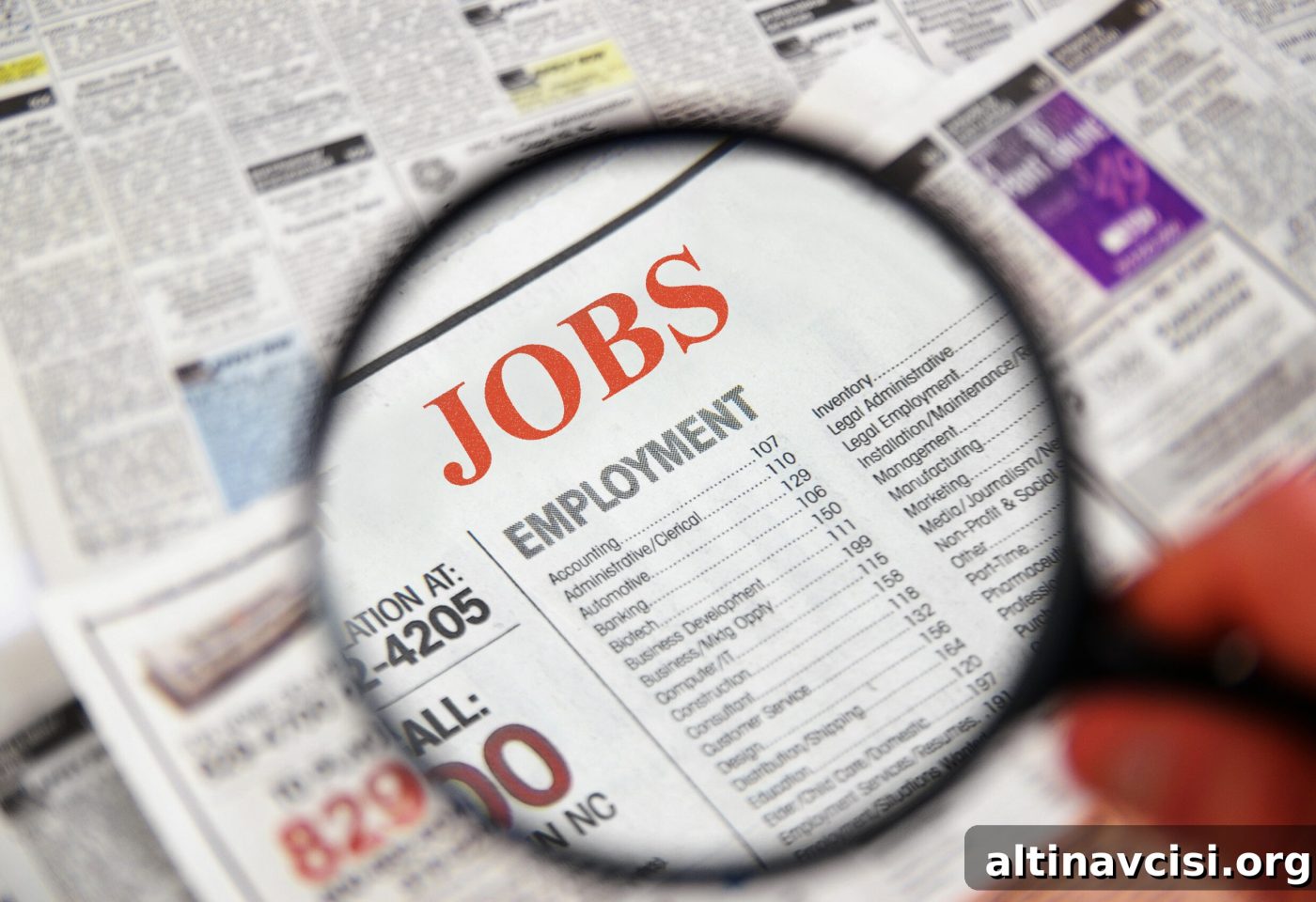
U.S. Unemployment Claims Fall to Six-Week Low, Offering Reassurance on Job Market
New applications for unemployment benefits have dropped to their lowest level in six weeks, according to the most recent data. The decline — a reduction of 10,000 claims to a total of 227,000 — suggests that employers remain reluctant to pare back payrolls despite a backdrop of economic uncertainty driven in part by international trade tensions.
Widespread Decline Across States
The fall in initial claims was broad-based: 38 states reported fewer claims compared with the previous reporting period. The improvement was particularly notable in states that had experienced spikes in claims after schools let out for the summer, indicating a normalization following seasonal shifts in hiring and employment patterns.
Ongoing Benefits Rise, Signaling Longer Job Searches
Not all measures were uniformly positive. The number of people receiving ongoing unemployment benefits climbed to 1.97 million, the highest level recorded since late 2021. This increase in continuing claims suggests that, for some job seekers, the process of finding new work is taking longer than it did previously. Rising continuing claims can reflect a mix of structural and cyclical factors, including slower hiring in specific industries, longer search times, or mismatches between available jobs and the skills of unemployed workers.
What the Data Means for Employers and Job Seekers
The combination of lower initial claims and higher ongoing benefits paints a nuanced picture of the labor market. On one hand, fewer new layoffs point to labor market resilience: employers are holding onto staff and the feared wave of large-scale layoff announcements has not materialized. On the other hand, the uptick in continued claims implies that those who do lose jobs may face tougher or lengthier job hunts.
Macro Outlook and Trade Tensions
Economists expect economic growth to slow in 2025, in part because of ongoing trade tensions that can weigh on investment, supply chains, and export demand. Even so, the current unemployment claims data offer some reassurance that widespread job losses are not appearing at the scale some had feared. The labor market’s ability to absorb shocks will be an important factor in how resilient household income and consumer spending remain as growth moderates.
Seasonality and Labor Market Trends
Seasonal effects — such as hiring cycles tied to school schedules and tourism — often shape short-term claims patterns. The recent decline in initial claims after summer-related spikes suggests a return to typical seasonal trends. Observers will be watching whether continuing claims remain elevated or begin to fall as employers adjust to changing demand and as hiring picks up in sectors that are expanding.
Takeaway
Overall, the latest figures present a mixed but cautiously positive snapshot: initial unemployment applications have eased, signaling fewer immediate layoffs, yet continuing claims have risen to their highest level since late 2021, indicating longer searches for some workers. Policymakers, businesses and job seekers will be monitoring upcoming reports to see whether these trends persist, reverse, or evolve as trade dynamics and broader economic conditions develop.
Popular Topics
Picked from the archive
-
01
 Topics
Gold Drops as Israel-Iran Tensions Escalate
-
02
Topics
Copper Market Races to Meet August 1 Tariff Deadline
-
03
Topics
Treasury Yields Slip Ahead of U.S.-China Summit in London
-
04
Topics
Fed’s Inflation Gain May Be Short-Lived as Tariffs Loom
-
05
Topics
Incrementum In Gold We Trust Report: Gold Market Outlook
-
06
Topics
RBA Warns Inflation Risks Remain Despite Current Calm
-
07
Topics
Gold Price Tops $3,350 on Tariff Fears, Ukraine Tensions
-
08
Topics
Copper Inventories Drop 80% Amid US Tariff Fears, Supply Crisis