Dollar Falls to 2022 Lows as Trump Eyes Early Fed Chair Change
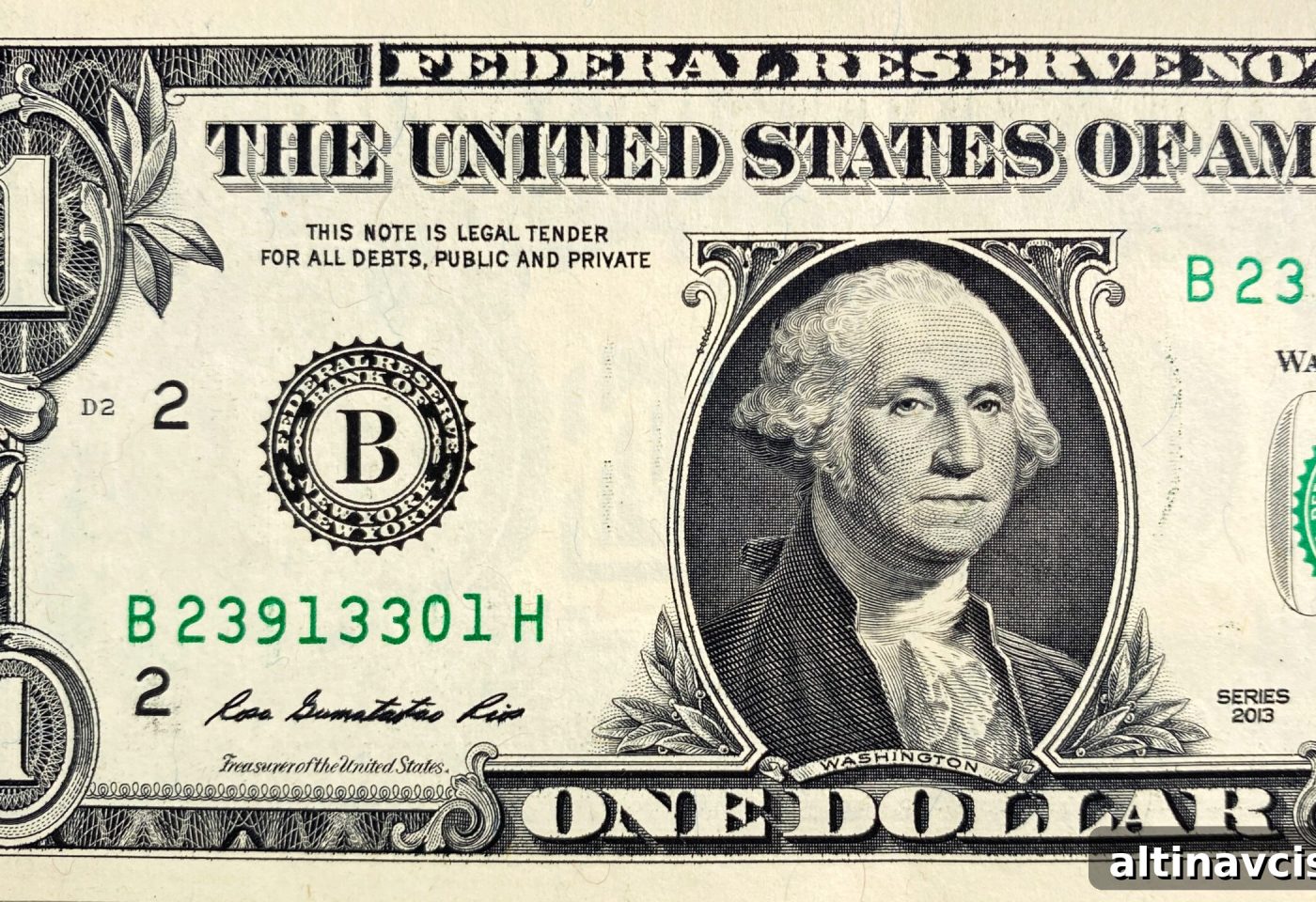
US Markets React: Stocks and Bonds Rise While Dollar Weakens After Mixed Economic Data
US financial markets displayed mixed reactions on Thursday: equity prices and government bonds moved higher, while the US dollar softened. The market shifts followed the release of unexpected economic indicators showing a wider trade deficit and a contraction of first-quarter GDP by 0.5%.
Key Data Points and Immediate Market Response
Investors digested two primary surprise data points. First, the trade deficit widened unexpectedly, signaling that imports outpaced exports by more than many analysts anticipated. Second, preliminary data showed that real GDP contracted by 0.5% in the first quarter. Together, these figures contributed to a risk-on tilt in markets that afternoon, where stocks advanced and Treasury prices rose, putting downward pressure on yields and on the dollar.
Why Stocks and Bonds Rose
A combination of weaker-than-expected growth and a broader-than-anticipated trade gap can shift investor expectations about the near-term economic outlook and monetary policy. When growth appears to be slowing, even modestly, investors often re-evaluate prospects for interest rate hikes, leading to increased demand for bonds and driving yields lower. Lower yields can in turn support higher equity valuations—particularly for sectors sensitive to interest rates—because discounted cash flow models value future earnings more when discount rates fall.
Dollar Weakness and Currency Implications
The US dollar weakened in response to the data and the broader risk sentiment. A softer dollar can make US exports relatively cheaper for foreign buyers, but it also reflects a reassessment of the relative attractiveness of dollar-denominated assets when growth surprises to the downside. Currency moves may also reflect expectations that policy makers will be less inclined to tighten monetary policy aggressively in the near term.
Political Reports Heighten Volatility
Adding to market uncertainty were reports that President Trump is considering naming a new Federal Reserve Chair well before the official end of Jerome Powell’s term, possibly as early as September or October. News of a potential early replacement introduced additional uncertainty about the future direction of US monetary policy, contributing to intraday volatility across equities, bonds, and the dollar.
Investor Takeaways and Near-Term Considerations
For investors, the combination of weaker growth data and political headlines underscores the importance of monitoring both economic releases and policy developments. Sectors that benefit from lower interest rates—such as utilities and real estate investment trusts—may see relatively stronger performance in an environment of declining yields. Conversely, financials can be sensitive to a flatter or lower yield curve. Market participants should also consider the potential for increased volatility around any official announcements related to the Federal Reserve leadership.
Outlook and Risks
Looking ahead, markets are likely to remain sensitive to forthcoming economic reports, corporate earnings, and any formal communications from the White House or the Fed regarding leadership decisions. If future data confirm a slowdown in growth, expectations for delayed or reduced rate hikes could persist, which may continue to support bonds and equities while keeping the dollar under pressure. Conversely, stronger-than-expected data would likely reverse some moves as investors reassess the path of monetary policy.
In sum, Thursday’s market action reflected a cautious re-pricing of growth and policy risks: equities and bonds rose on softer data, the dollar weakened, and political developments concerning the Federal Reserve added a layer of uncertainty that investors will be watching closely in the weeks ahead.
Popular Topics
Picked from the archive
-
01
 Topics
Gold Drops as Israel-Iran Tensions Escalate
-
02
Topics
Copper Market Races to Meet August 1 Tariff Deadline
-
03
Topics
Treasury Yields Slip Ahead of U.S.-China Summit in London
-
04
Topics
Fed’s Inflation Gain May Be Short-Lived as Tariffs Loom
-
05
Topics
Incrementum In Gold We Trust Report: Gold Market Outlook
-
06
Topics
RBA Warns Inflation Risks Remain Despite Current Calm
-
07
Topics
Gold Price Tops $3,350 on Tariff Fears, Ukraine Tensions
-
08
Topics
Copper Inventories Drop 80% Amid US Tariff Fears, Supply Crisis