Dollar Weakens as Foreign Investors Ramp Up Currency Hedging
Goldman Sachs’ Richard Chambers: Dollar Set to Weaken as Currency Hedging Rises
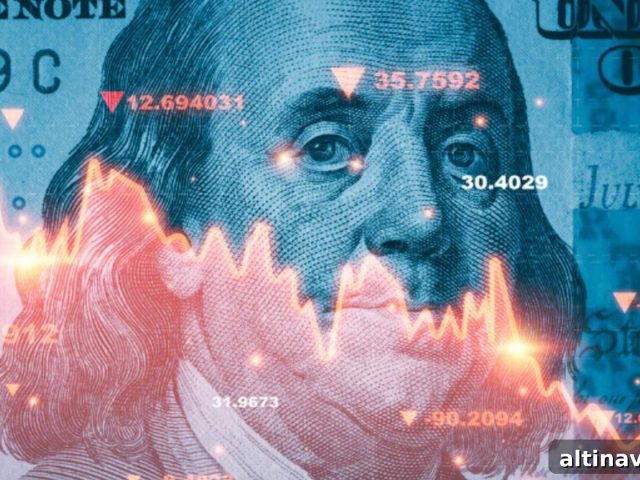
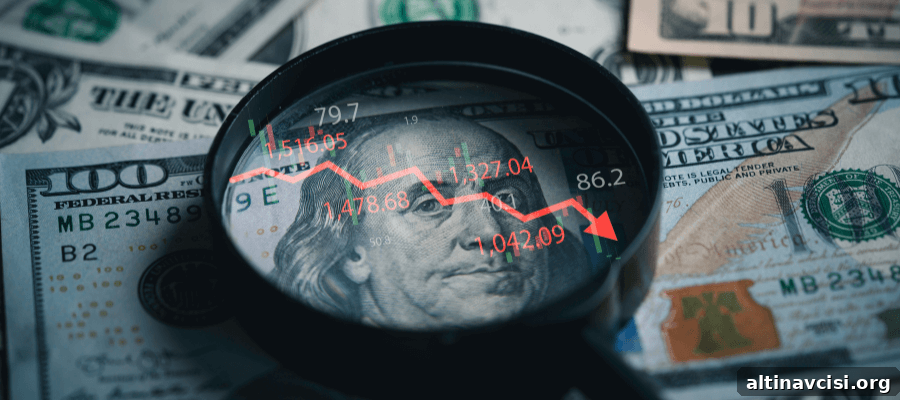
Richard Chambers of Goldman Sachs warns that the U.S. dollar may continue to weaken as foreign investors respond to heightened market volatility by increasing currency hedges. This shift in investor behavior is already visible in major currency benchmarks: the Bloomberg Dollar Index has dropped by more than 8% year-to-date, marking its worst start to a year on record amid persistent policy uncertainty across major economies.
Why Investors Are Increasing Currency Hedges
Periods of market turbulence typically prompt international investors to reassess currency exposure. When volatility rises, hedging becomes a preferred tool to protect portfolio returns from adverse exchange-rate movements. Increasing hedging activity means foreign buyers are less inclined to hold unhedged dollar-denominated assets, reducing net foreign demand for U.S. securities. That dynamic can underpin downward pressure on the dollar as the relative attractiveness of dollar holdings diminishes when hedging costs and perceived currency risk increase.
Implications for U.S. Bond Demand
Chambers highlights a potential shift in the buyer base for U.S. government bonds. As European and other international investors concentrate on their domestic markets and raise hedging levels, demand from overseas purchasers for U.S. Treasuries may decline. That would leave a larger share of issuance to be absorbed by domestic investors—households, pension funds, mutual funds, and U.S.-based banks. A heavier reliance on domestic demand could affect yield dynamics and market liquidity, particularly if issuance rises at the same time governments worldwide step up borrowing.
Policy Uncertainty and Currency Movements
The dollar’s decline is occurring against a backdrop of policy uncertainty in several major economies. Uncertainty about monetary policy paths, fiscal plans, and the economic outlook tends to amplify investor caution, further encouraging hedging and limiting cross-border capital flows. When monetary policy or fiscal direction becomes harder to predict, currency volatility often follows, reinforcing the cycle of hedging and reduced foreign exposure to dollar assets.
Gold as a Beneficiary
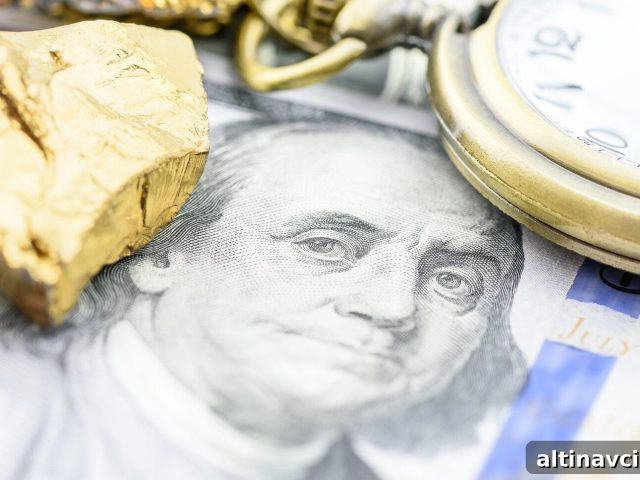
Amid these trends, gold is emerging as a key beneficiary. Historically regarded as a store of value and a hedge against both inflation and currency weakness, gold tends to attract demand when investors worry about fiat currency stability or seek alternatives to conventional fixed-income assets. With governments around the globe increasing borrowing to address economic and fiscal challenges, the combination of higher sovereign debt levels and a softer dollar can lift interest in gold as part of a diversified portfolio response to uncertainty.
What This Means for Markets
The interaction between heightened hedging, shifting bond demand, and currency fluctuations creates a complex set of outcomes for markets. A continued weakening dollar could influence trade patterns, commodity prices, and global capital flows. Exporters may benefit from a softer dollar, while importers could face higher costs. At the same time, fixed-income markets may see adjustments in yields and liquidity as the composition of buyers changes. Gold and other traditional safe-haven assets may see stronger inflows if these trends persist.
Conclusion
Goldman Sachs’ Richard Chambers points to a clear chain of effects: market volatility leads to more currency hedging by foreign investors, which can dampen foreign demand for U.S. bonds and put downward pressure on the dollar. The Bloomberg Dollar Index’s more than 8% decline this year underscores the magnitude of recent currency moves. In this environment, gold has gained attention as a potential beneficiary of rising global borrowing and currency uncertainty. Observing how investor hedging behavior, sovereign issuance, and policy decisions evolve will be crucial for understanding the dollar’s trajectory and broader market implications.
Popular Topics
Picked from the archive
-
01
 Topics
Fed Keeps Rates Steady Despite Trump’s Push to Oust Powell
-
02
Topics
Federal Reserve Official: Investors Aren’t Fleeing U.S. Assets
-
03
Topics
Dollar Surges as Trump Threatens Tariffs on Copper and Chips
-
04
Topics
Treasury Yields Jump as Strong Jobs Report Raises Rate-Hike Odds
-
05
Topics
ECB Reaches 2% Inflation Target in June as Eurozone Prices Hold
-
06
Topics
Interactive Brokers’ Sosnick: Why Gold Is America’s Anti-Dollar
-
07
Topics
Powell: Fed Dollar Swap Lines to Stay Amid Political Uncertainty
-
08
Topics
Florida Legalizes Gold and Silver Coins as Legal Tender