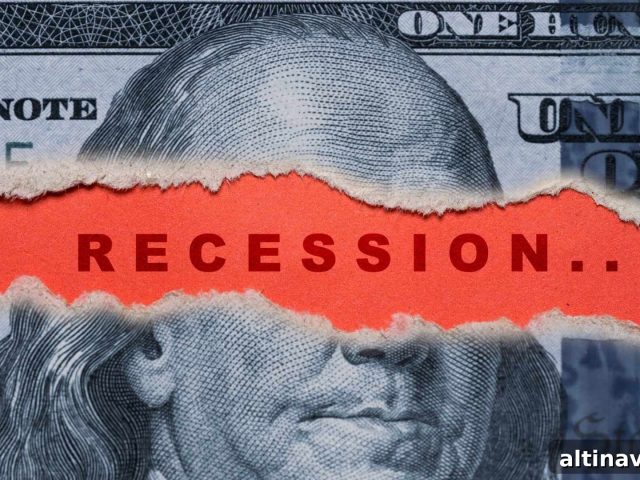
Fed Says It’s Poised to Wait as Trade Policy Remains Unclear
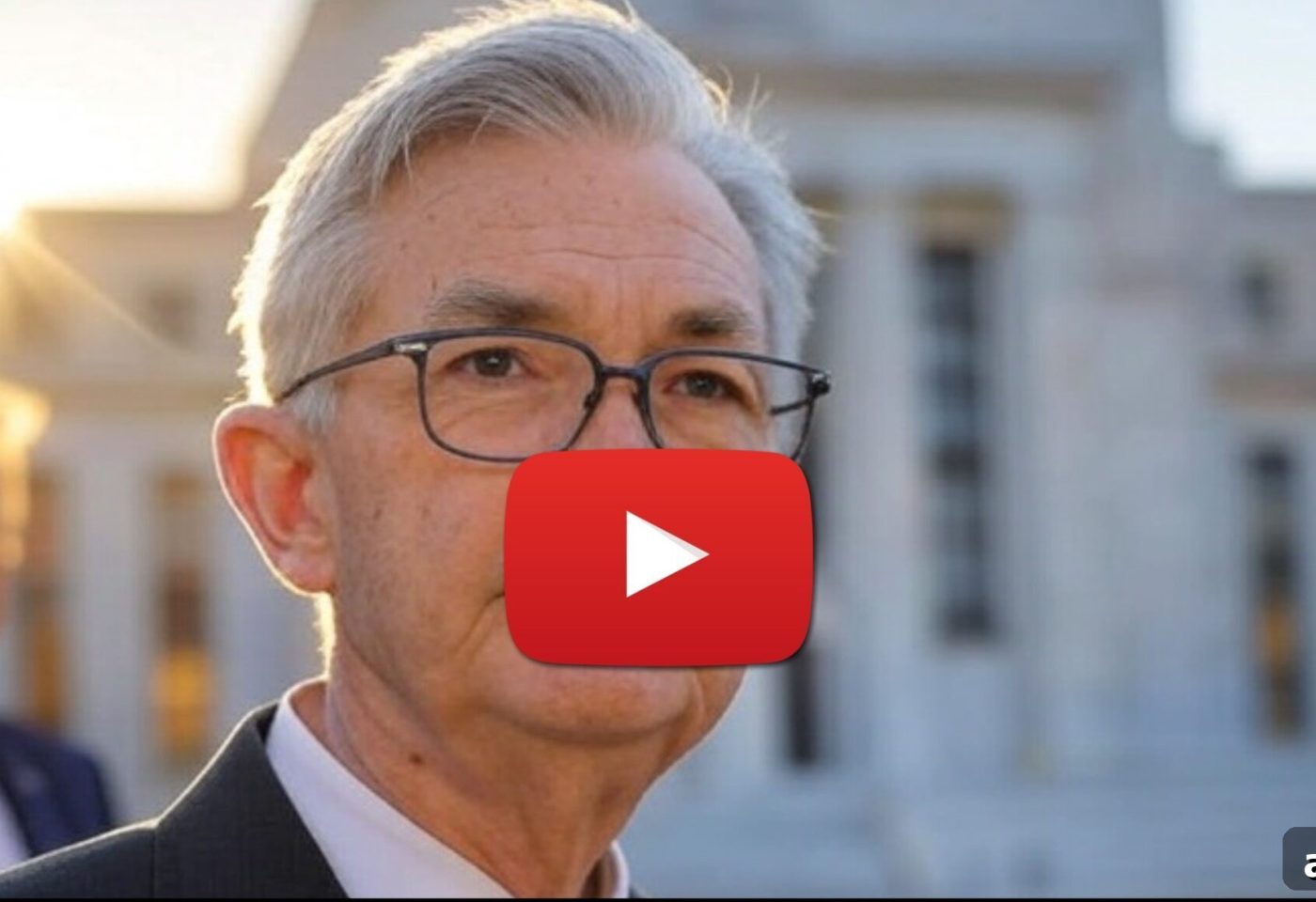
Why Jerome Powell Is Keeping Interest Rates Steady Despite Political Pressure
Federal Reserve Chair Jerome Powell recently explained to Congress why the central bank is maintaining its benchmark interest rate at the current range of 4.25% to 4.50%. Facing public criticism from President Trump, who has urged the Fed to lower rates and at times publicly called Powell “dumb” and “hardheaded,” Powell defended a deliberate, data-driven approach. He stressed that officials need clearer evidence about the economic effects of evolving tariff policies before making any move on monetary policy.
Powell underscored that the Fed’s primary responsibilities include promoting maximum employment and maintaining price stability. In that context, he said, the committee cannot responsibly alter interest rates until it better understands how recent and potential future tariffs will influence inflation and overall economic growth. Tariffs can push up consumer prices by increasing costs for goods and supply chains, and they can also weigh on investment and demand, but the balance and timing of those effects remain uncertain while trade policy continues to shift.
Tariff Uncertainty and the Fed’s Decision-Making
The central message from Powell was one of caution: tariffs are likely to raise some prices and could slow activity in parts of the economy, but the magnitude and persistence of those impacts are still unclear. Because the Federal Reserve bases policy changes on evolving data and observed trends, shifting trade measures create an additional layer of uncertainty. Powell made clear that the committee wants to see how these policies play out and how businesses and consumers respond before adjusting interest-rate policy.
Internal Views and Possible Timing for Rate Cuts
Not all Fed officials share identical views on timing. Some policymakers, including Governors Christopher Waller and Michelle Bowman, have indicated publicly that a rate reduction could be warranted and might arrive as soon as July, pointing to limited tangible effects from tariffs so far. Those comments reflect a readiness among some members to ease policy if incoming data suggest slowing inflation or weakening economic momentum. Powell, however, emphasized the need for a clearer signal on trade-driven price pressures before committing to a change.
Economic Outlook: Jobs, Growth, and Inflation
Powell characterized the U.S. economy as fundamentally solid, citing a strong labor market that continues to support household incomes and consumer spending. At the same time, inflation remains somewhat elevated relative to the Fed’s 2% objective. That combination—robust employment alongside persistent inflation—complicates the policy calculation. Lowering interest rates prematurely could risk rekindling higher inflation, while keeping rates higher for too long could unnecessarily slow hiring and demand. The Fed’s choice to pause reflects an attempt to balance those risks while waiting for clearer evidence.
Political Pressure and Central Bank Independence
President Trump’s public rebukes of the Fed chair illustrate the political pressure central banks can face from elected leaders seeking cheaper borrowing costs. Powell’s testimony to Congress served as a reminder of the Fed’s commitment to independence and to making decisions based on economic data rather than political influence. The chair reaffirmed that monetary policy will be guided by the committee’s assessment of incoming information on inflation, labor markets, and the many forces—like trade policy—that could affect them.
In summary, the Federal Reserve’s current stance is shaped by a mix of solid economic fundamentals, persistent inflationary pressures, and uncertainty surrounding tariff policy. Powell’s message to lawmakers was clear: the Fed prefers to wait for more definitive evidence on how trade measures are affecting prices and growth before making a move on interest rates, even amid public calls for quicker action. As policymakers and markets watch incoming data, the possibility of a rate cut remains on the table, but the timing will depend on how economic indicators evolve in the coming weeks.
Popular Topics
Picked from the archive
-
01
 Topics
Gold Has Matched Stock Returns Since 1971: Why It Matters
-
02
Topics
US Gives Global Partners Five-Week Deadline for Trade Proposals
-
03
Topics
Gold Rises as Dollar Weakens amid Renewed Trade Tensions
-
04
Topics
China Q1 Gold Consumption Falls 6% as Investment Jumps 30%
-
05
Topics
US Dollar Rises After Trump Retreats From Fed Threats
-
06
Topics
Markets Doubt Trump’s Ability to Balance Tax Cuts and Spending
-
07
Topics
Record Metal Deposit Set to Reshape Argentina’s Economy
-
08
Topics
Goldman Sachs Cuts US Recession Odds by 5 Points