Silver Price Hits Highest Level Since 2012 as Demand Surges
Silver Holds Near $36.40 Per Ounce as Rally Reaches 13-Year High
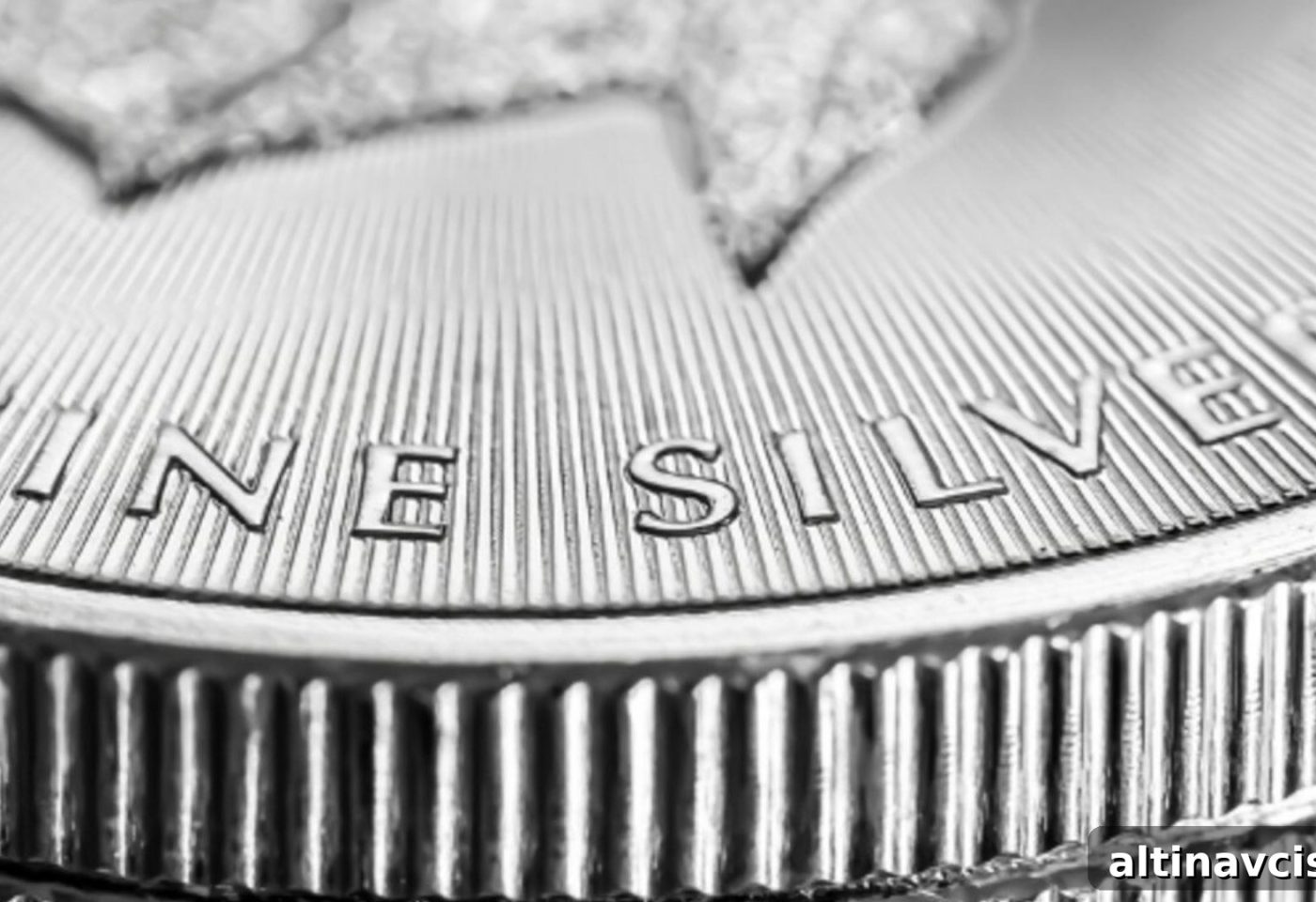
Silver remained near $36.40 per ounce on Monday, marking its highest level in 13 years. The recent rally reflects a combination of sustained industrial demand, ongoing supply deficits and increased safe-haven buying linked to geopolitical tensions. Together, these forces have pushed the precious metal into renewed focus for investors, manufacturers and energy-sector planners.
Three Main Drivers Behind the Silver Rally
The price advance can be attributed to three primary factors. First, industrial demand for silver has surged, driven particularly by its use in solar panels and electronics. Silver’s unique conductive and reflective properties make it essential for photovoltaic cells and a broad range of high-tech components, and industrial applications now account for more than 50% of global silver consumption. That structural shift toward industrial use has strengthened underlying demand.
Second, the market has experienced a string of supply deficits. This year marks the fifth consecutive year in which demand outstripped supply, tightening inventories and putting upward pressure on prices. While forecasts indicate supply shortages may ease somewhat in 2025, the existing structural imbalance between available supply and rising industrial consumption continues to support a higher price floor for the metal.
Third, geopolitical uncertainty has prompted increased safe-haven buying. Recent tensions in the Middle East, particularly involving Israel and Iran, have pushed some investors toward precious metals as a defensive allocation. Silver, alongside gold, often benefits from flows seeking protection against geopolitical risk and broader market volatility.
Industrial Consumption and the Green Energy Transition
Silver’s growing role in the green energy transition is a key element of its demand story. As solar installations expand globally, the need for silver in photovoltaic manufacturing has become a major consumption driver. Coupled with persistent demand from electronics manufacturing, medical devices and other industrial uses, more than half of silver’s total demand is now industrial in nature. This concentration of use in technology and renewable energy sectors ties silver’s long-term outlook closely to progress in decarbonization and technological adoption.
Because industrial demand tends to be less price-sensitive than investment demand, continued expansion of renewable-energy projects and electronics production can sustain elevated consumption levels even if prices rise. That dynamic helps explain why market participants view the current price strength as more structurally supported than a short-term speculative spike.
Supply Dynamics and Near-Term Outlook
On the supply side, mining output and recycling have struggled to fully meet rising demand, contributing to consecutive annual deficits. Market analysts note that while some easing of shortages is possible next year as new production and recycled supply respond, the underlying gap between industrial consumption and supply has become a persistent feature. This structural imbalance is a key reason many observers expect silver to remain well supported, even if short-term volatility persists.
Investors and corporate buyers alike are watching inventory levels, mine production reports and recycling trends closely. Changes in any of these areas could influence price direction, but for now, the combination of robust industrial demand and constrained supply remains the dominant theme.
Implications for Investors and Industry
The current price environment carries implications both for investors and for companies that rely on silver. For investors, silver offers exposure to a commodity that combines roles as an industrial metal and a store of value. For manufacturers and installers in the solar and electronics sectors, higher silver prices can translate into increased material costs, potentially prompting efforts to improve efficiency, substitute materials where technically feasible, or adjust procurement strategies.
Market participants should expect continued sensitivity to geopolitical developments, macroeconomic trends and policy shifts related to renewable energy. These factors, together with the structural supply-demand picture, will likely determine silver’s price trajectory over the coming months and into 2025.
In short, silver’s position near $36.40 per ounce reflects a convergence of strong industrial demand, persistent supply deficits and elevated safe-haven interest—trends that collectively support the metal’s elevated valuation and its growing importance in the global energy and technology transition.
Popular Topics
Picked from the archive
-
01
 Topics
China May Cut Tariffs on Key US Medical and Industrial Imports
-
02
Topics
Weaponizing Supply Chains: Rare Earths to Semiconductors
-
03
Topics
76% of Central Banks to Increase Gold Reserves, WGC Survey Finds
-
04
Topics
Trump Demands Powell’s Removal as Fed Chair Warns on Tariffs
-
05
Topics
Gold Rises to No. 2 Global Reserve amid Sanctions Concerns
-
06
Topics
Daly Urges Fed to Temper Forecasts and Balance Dual Mandate
-
07
Topics
Strong Jobs Report Drives 10-Year Treasury Yield Above 4.34%
-
08
Topics
Report: Republican Tax Bill Masks Over 1 Trillion in Future Debt