Gold Prices Jump After Moody’s Downgrade and China Buying

Gold Prices Rise After Moody’s Downgrade and Strong Chinese Demand
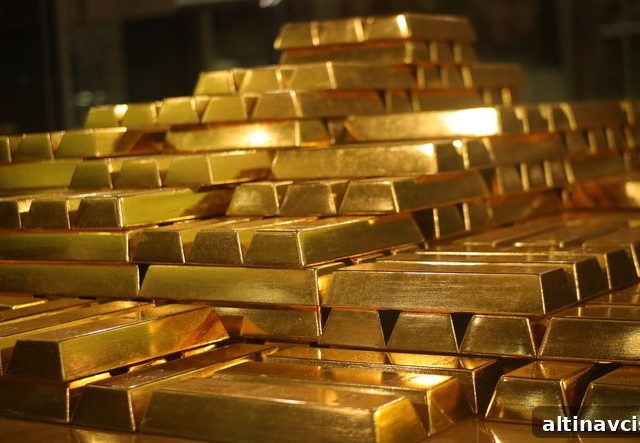
Gold prices climbed on Monday as global markets digested two key developments: a downgrade by Moody’s to the U.S. credit rating and stronger-than-expected physical demand from China. The combination of heightened credit concerns in the United States and renewed buying in Asia reinforced gold’s appeal as a safe-haven asset, prompting traders and investors to reassess risk and portfolio allocations.
What the Downgrade Means for Markets
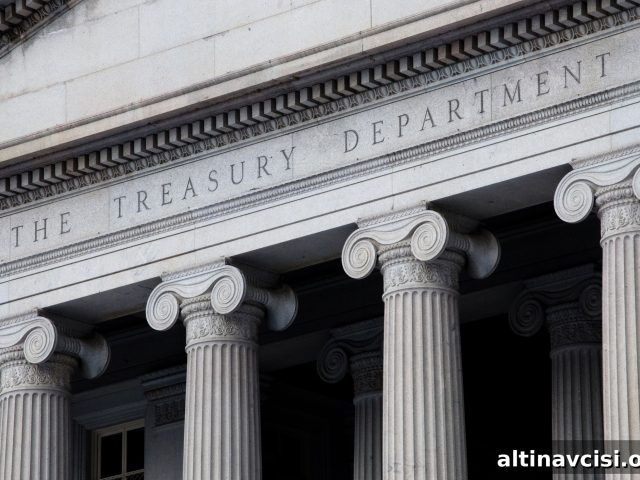
Moody’s decision to lower the U.S. credit rating highlighted lingering worries about America’s long-term fiscal trajectory and debt management. While the downgrade did not change the immediate functioning of U.S. debt markets, it added to investor unease and contributed to a broader reassessment of sovereign risk globally. In such an environment, gold often benefits because it is perceived as an alternative store of value when confidence in government finances and traditional risk assets is unsettled.
Investors typically react to shifts in credit perceptions by seeking assets that can preserve purchasing power and provide a hedge against market volatility. The Moody’s downgrade intensified that dynamic, encouraging a move into safe-haven instruments and supporting upward pressure on bullion prices. Market participants cited the downgrade alongside ongoing geopolitical tensions as drivers of cautious investor behavior, with some repositioning portfolios away from higher-risk holdings.
Robust Chinese Demand bolsters Prices
At the same time, fresh data showed stronger-than-expected gold imports into China, signaling sustained physical demand from one of the world’s largest bullion markets. Robust Chinese buying—whether driven by jewellery demand, investment bars and coins, or stocking by local institutions—helps underpin global prices because physical consumption in Asia accounts for a large share of annual demand.
Stronger imports suggest that consumers and investors in China remain active in the gold market, supporting price momentum even as other regions weigh fiscal and geopolitical risks. This persistent physical demand provides a counterbalance to short-term speculative flows and adds a structural element to gold’s price support.
How Macro Factors Are Supporting Gold
Several broader macroeconomic themes are reinforcing gold’s attractiveness. Uncertainty around sovereign credit, shifting interest rate expectations, and geopolitical developments tend to push investors toward assets perceived as safer or less correlated with equities and credit-sensitive instruments. In environments where confidence in fiscal stability is questioned, the relative scarcity and historical role of gold as a store of value can increase its demand.
Additionally, flows into gold-related investment products often respond quickly to risk-off sentiment. When investors grow concerned about the outlook for growth, inflation, or government finances, demand for bullion and related vehicles can strengthen. Analysts note that such flows, combined with steady physical buying in major consuming markets like China, create a constructive backdrop for prices.
Outlook: Firm but Sensitive to Shifts
Most market observers expect gold to remain on firmer footing in the near term as global macro headwinds persist. However, the metal’s immediate trajectory will remain sensitive to developments that influence risk sentiment and real yields, including fiscal policy moves, central bank signals, and any changes in geopolitical tensions. A return to smoother risk appetites or a rapid improvement in confidence metrics could temper the recent gains.
For now, the combination of Moody’s downgrade and continued Chinese import strength has created a supportive environment for gold. Traders and investors are likely to monitor policy responses, data releases, and physical demand trends closely to gauge whether the current momentum can be sustained.
Summary
Gold’s rise on Monday reflected a dual influence: concerns over U.S. fiscal health following Moody’s downgrade and robust physical demand from China. Together, those factors reinforced gold’s role as a refuge in uncertain times, helping to support prices amid broader market volatility. While market dynamics remain fluid, the immediate outlook points to continued firmness for gold unless risk sentiment improves substantially.
Popular Topics
Picked from the archive
-
01
 Topics
Gold Gains on Safe Haven Demand Amid Trade Deal Fallout
-
02
Topics
Gold Soars 33% in 2025: From Trump Trade to Sell America
-
03
Topics
Is Monday’s Gold Selloff a Dip or the Start of a Correction?
-
04
Topics
Treasury Market Steady as GDP Falls and Jobless Claims Rise
-
05
Topics
Fed Likely to Hold Rates as Tariffs Cloud Inflation Outlook
-
06
Topics
Trump Plans 25% Tariff on Imported iPhones, Targeting Apple
-
07
Topics
Consumers Rush Purchases Before Tariff Hikes, Retail Sales Soar
-
08
Topics
Gold Drops 3% as U.S.-China Trade Deal Calms Markets