US Companies Delay Passing Tariff Costs as Producer Prices Drop

US Producer Prices Drop Sharply in April as Companies Absorb Higher Costs
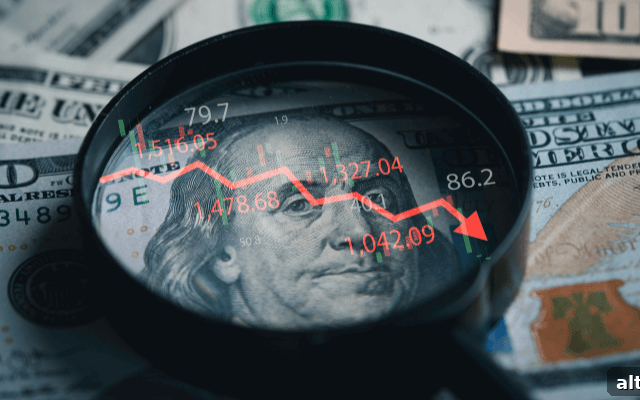
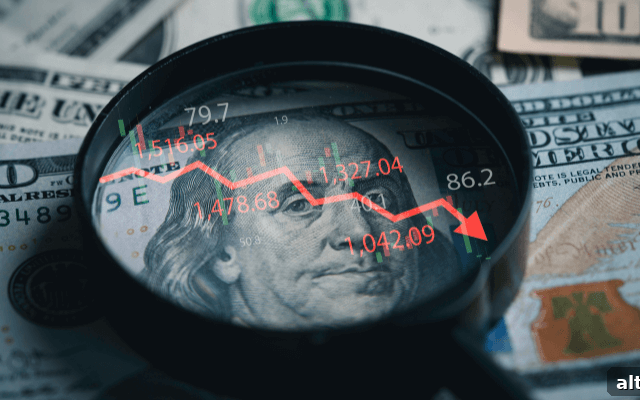
US producer prices unexpectedly fell 0.5% in April, marking the largest monthly decline in five years. The drop appears to reflect shrinking profit margins as many firms absorb higher input costs—particularly those driven by tariffs—rather than passing them on to consumers. That dynamic has important implications for businesses, consumers and broader inflation trends.
Producer prices measure the prices domestic producers receive for their goods and services. A decline in that measure can stem from lower demand, falling input costs or, as in this case, companies choosing to reduce margins to shield customers from rising costs. When producers absorb price increases instead of transferring them to buyers, headline consumer inflation can remain muted even as companies’ profitability comes under pressure.
Recent business reports indicate that many companies are struggling to fully pass higher costs along the supply chain. Fewer than one in five firms say they could completely transfer a hypothetical 10% increase in costs to their customers, suggesting limited pricing power across large segments of the economy. That constraint forces firms to make tough trade-offs—cutting margins, trimming other expenses, or seeking operational efficiencies to offset the extra burden.
Some sectors have responded in visible ways. A number of automakers, for example, have offered discounts, incentives or temporary price freezes to maintain sales momentum and clear inventory, even as input prices remain elevated. Meanwhile, major retailers have issued warnings that price increases are likely on the horizon, citing ongoing tariff-related costs and broader economic uncertainty. Those warnings reflect the tension many firms face: holding prices steady can preserve market share in the short term but may not be sustainable if cost pressures persist.
What This Means for Consumers and the Economy
For consumers, a producer price decline driven by margin compression can slow the pace of retail-price inflation in the near term. That can be a short-lived reprieve if companies eventually pass costs forward or if tariffs and supply constraints persist. For businesses, sustained margin pressure can erode profitability, hamper investment, and prompt cost-cutting measures such as staff reductions or capital expenditure delays.
Policymakers and investors will likely watch these developments closely. Producer price movements provide an early signal of inflationary trends that may later appear in consumer price indexes. At the same time, when companies absorb higher costs, the link between producer prices and consumer inflation becomes more complex, making it harder to predict future inflation trajectories purely from producer-price data.
How Firms Are Responding
Companies are pursuing a range of strategies to cope with rising costs:
- Absorbing costs and trimming profit margins temporarily to keep consumer prices stable.
- Offering promotions, discounts, or price freezes to preserve sales volumes and market share.
- Revising sourcing and supply-chain strategies to reduce exposure to tariffs and long-term cost increases.
- Exploring efficiency improvements and cost reductions in operations, logistics, and overhead.
None of these approaches is without trade-offs. Discounts and margin compression can support short-term demand but may weaken balance sheets if maintained too long. Supply-chain changes and efficiency investments require time and upfront capital, delaying immediate relief.
Outlook and Considerations
The unexpected decline in producer prices highlights the complex interplay between tariffs, corporate pricing decisions, and inflation measures. While a drop in producer prices may provide temporary relief for consumers, the underlying cost pressures remain. Businesses forced to absorb those costs will face profitability challenges that could influence hiring, investment and future price-setting behavior.
Economy watchers should monitor whether firms continue to shoulder costs or begin passing them on. The answer will shape inflation paths and inform decisions by business leaders, investors and policymakers in the months ahead.
Popular Topics
Picked from the archive
-
01
 Topics
Gold Prices Rebound Ahead of U.S. Jobs Report
-
02
Topics
Deutsche Bank Cuts S&P 500 Forecast, Wall Street Turns Cautious
-
03
Topics
Chinese Banks Cash In on Gold’s Record Rally Amid Surging Demand
-
04
Topics
Trump Pushes Rate Cuts, Blasts Powell as Treasury Cites Markets
-
05
Topics
Goldman Sachs, JPMorgan Revise Outlook After 90-Day Tariff Truce
-
06
Topics
Technical Indicators Signal Silver Rally as Gold Fades
-
07
Topics
China May Cut Tariffs on Key US Medical and Industrial Imports
-
08
Topics
Gold Prices Jump After Moody’s Downgrade and China Buying