China Cuts Interest Rates to Curb Trump Tariff Fallout
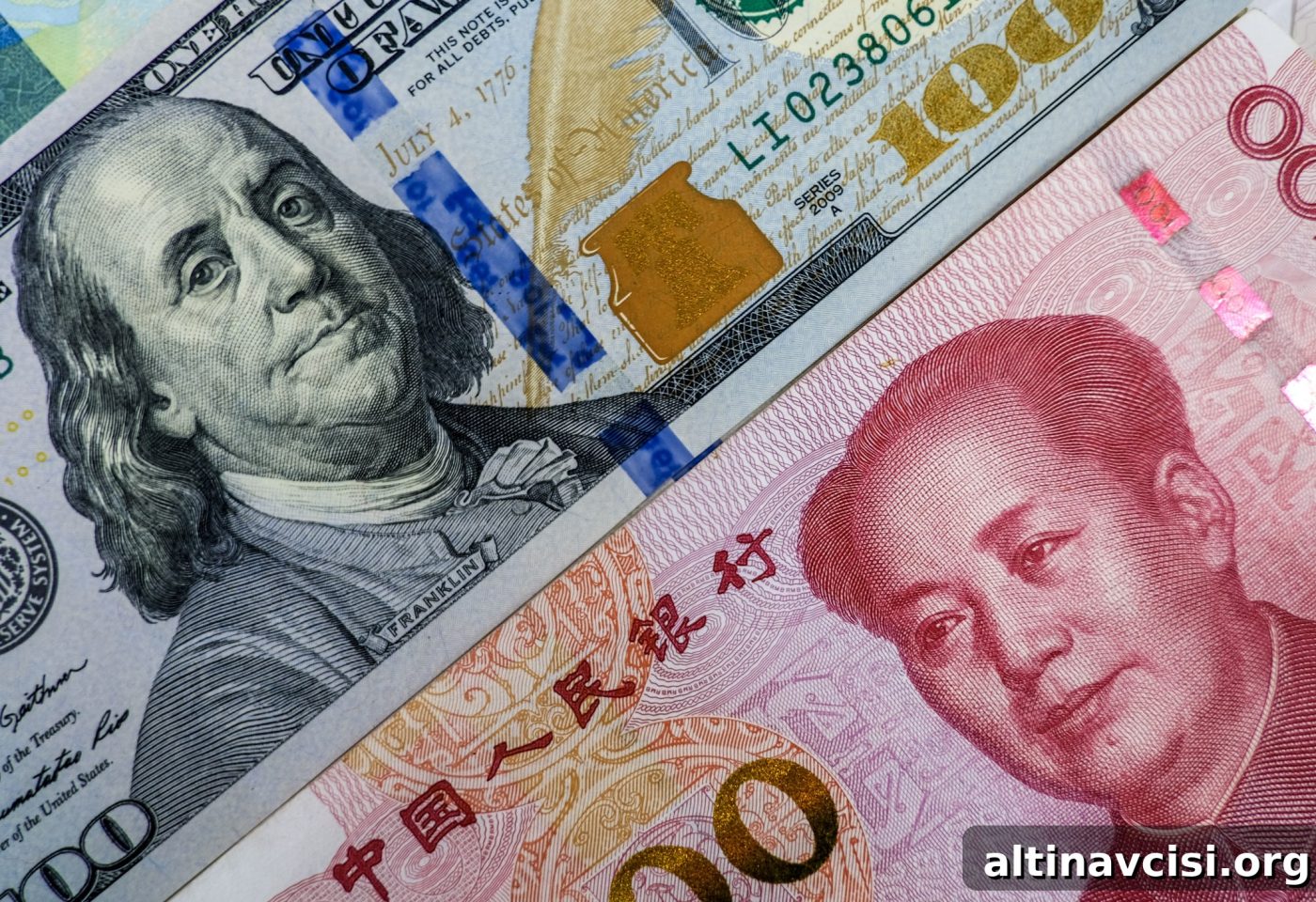
China’s Central Bank Eases Policy to Offset Impact of U.S. Tariffs
China’s central bank has announced a set of monetary measures designed to soften the economic impact of escalating U.S. tariffs. The package includes reductions in benchmark interest rates and cuts to bank reserve requirement ratios. Together, these steps are intended to increase liquidity in the banking system and make roughly $137.6 billion available for new lending to households, businesses, and exporters.
The measures come amid mounting trade tensions between the two largest economies, as both sides prepare for upcoming trade talks. The U.S. tariffs in question have been described by officials as very high—reaching up to 145% on many Chinese products—and are already affecting China’s export-oriented sectors. In turn, Beijing has announced retaliatory tariffs of up to 125% on a range of American goods. Against this backdrop, Beijing’s policy shift aims to stabilize domestic demand and support firms facing greater external pressure.
Lowering interest rates directly reduces borrowing costs for companies and consumers, which can help sustain investment and household spending during periods of external shock. Reducing bank reserve requirements frees up funds that banks can lend, expanding credit availability without an immediate fiscal outlay. The combined effect of these tools is to bolster liquidity, ease financial conditions, and provide a buffer for exporters and manufacturers that rely heavily on foreign demand.
Financial markets reacted to the central bank announcement with a mix of cautious optimism. Investors generally welcomed the move because it signals proactive policy support for growth, but uncertainty about the path and intensity of trade disputes kept responses measured. Market participants are watching both the implementation details of the monetary measures and the progress of trade negotiations, as the ultimate economic outcome will depend on how the tariffs and retaliatory duties evolve and how businesses adapt.
For China’s export-driven economy, the timing of these measures is significant. Exporters facing higher external costs and potential demand reductions may see short-term relief from improved financing conditions. Small and medium-sized enterprises, which often have less access to capital, stand to benefit from increased bank lending capacity. At the same time, policymakers will need to balance support against longer-term risks, including potential inflationary pressures or shifts in capital flows, while maintaining financial stability.
Trade talks remain a key variable. If negotiations lead to de-escalation, the combination of easier monetary policy and improved trade relations could reinforce a recovery in activity. If disputes continue or intensify, additional policy responses—monetary, fiscal, or structural—may be required to sustain growth. The central bank’s actions therefore serve both as immediate stimulus and as a signal that authorities are prepared to use policy tools to manage external shocks.
In sum, China’s central bank has moved to ease financial conditions through rate cuts and lower reserve requirements, freeing up around $137.6 billion for lending. These measures aim to cushion the effects of steep U.S. tariffs and reciprocal duties on trade, support businesses and households, and maintain stability while trade negotiations progress. Financial markets responded positively but with caution, reflecting persistent uncertainties about the future course of trade relations and their economic impact.
Popular Topics
Picked from the archive
-
01
 Topics
Goldman Sachs Sees Gold Rally Reaching $4,500 on Tail Risk
-
02
Topics
US Launches Tariff Probe into China’s Critical Minerals Supply
-
03
Topics
Precious Metals Drop After US China Tariff Cut
-
04
Topics
Is Gold Overcrowded for Investors? Data Says No
-
05
Topics
Powell Says Tariffs Fuel Tension Between Inflation and Growth
-
06
Topics
Gold Drops 3% as U.S.-China Trade Deal Calms Markets
-
07
Topics
Foreign Treasury Selloff Threatens U.S. Borrowing Costs
-
08
Topics
Why Investors Remain Bullish Despite 60 Percent Recession Odds