Fed to Hold Rates Steady Despite Trump’s Push for Cuts
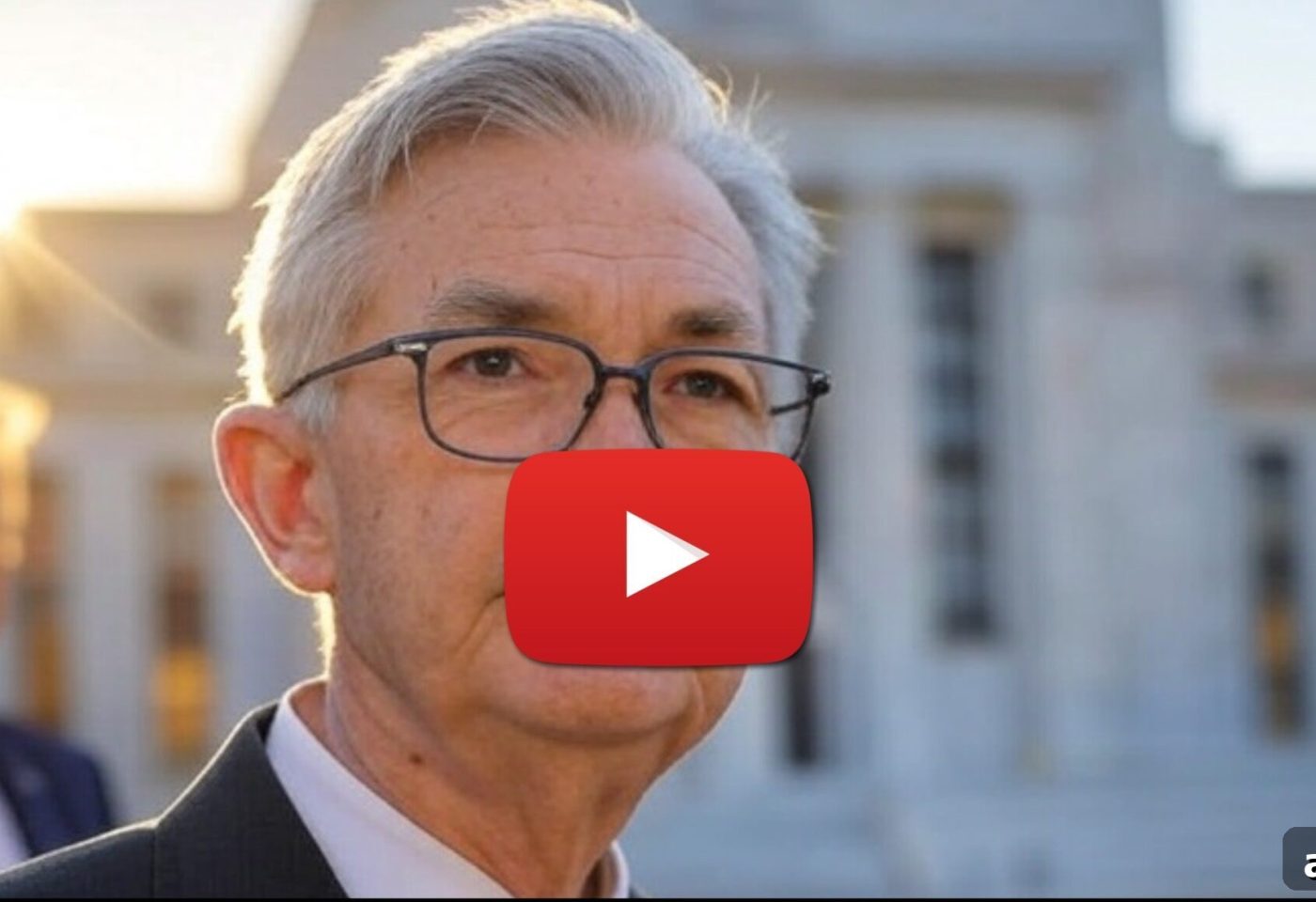
Trump Calls for Fed Rate Cuts as Fed Is Poised to Hold Rates on May 7
President Trump has publicly urged the Federal Reserve to reduce interest rates, but market expectations and economists alike foresee the Fed keeping its benchmark rate unchanged at its upcoming meeting on May 7.
What the President Is Asking For
On social media and in public statements, President Trump has criticized the Federal Reserve’s recent policy decisions, arguing that the central bank has been slow to respond and has taken the wrong approach for the economy. He is pressing for rate cuts that he believes would stimulate growth and provide relief to borrowers.
Fed Likely to Maintain Current Rates
Despite the president’s calls for easing, forecasts indicate an overwhelming probability that the Federal Reserve will leave the federal funds rate unchanged at its May 7 meeting. Analysts are assigning roughly a 97% chance that the policy rate will remain within the current target range of 4.25% to 4.50%.
This expectation reflects the Fed’s careful balancing act between supporting continued employment gains and managing inflation risks. For now, officials appear inclined to observe incoming economic data and hold rates steady rather than implementing immediate cuts.
Mixed Signals From the U.S. Economy
The U.S. economy is displaying a mix of concerning and encouraging indicators. On the one hand, measured output has shown negative growth in recent reporting periods, raising questions about the pace of economic activity. On the other hand, labor market data remain robust, with strong job numbers pointing to continued demand for workers and resilience in employment.
The juxtaposition of weak GDP readings and strong payroll figures creates a complex picture for policymakers: whether to favor stimulus by lowering rates to support growth, or to hold policy steady to avoid stoking inflationary pressures if the labor market continues to tighten.
Tariffs and Recession Risks
Economists are particularly concerned about the economic implications of the president’s trade measures, including steep duties on imports from China. One tariff decision that has drawn significant attention imposes a 145% duty on certain Chinese goods. Such high tariffs can raise input costs for U.S. businesses, increase prices for consumers, and disrupt established supply chains.
Because tariffs act like a tax on traded goods, they can slow economic activity by reducing consumption and investment in sectors affected by higher import costs. The combination of weaker output readings and the potential drag from trade barriers has raised alarm among analysts about an elevated risk of recession if these measures persist or deepen.
Policy Trade-Offs and What to Watch
In the weeks ahead, policymakers, businesses, and investors will be watching several indicators closely: updates to GDP and employment data, inflation trends, and any further trade actions or escalations. The Federal Reserve’s decision to hold or change rates will depend on how these forces evolve and whether incoming data confirm a durable slowdown or suggest continued resilience.
For now, the consensus view reflected in market odds is that the Fed will maintain the current rate band of 4.25% to 4.50% at the May 7 meeting, even as political pressure mounts for a different course. That stance underscores the central bank’s focus on data-driven policymaking and the difficult trade-offs involved when economic signals point in opposing directions.
Popular Topics
Picked from the archive
-
01
 Topics
Goldman Sachs Sees Gold Rally Reaching $4,500 on Tail Risk
-
02
Topics
US Launches Tariff Probe into China’s Critical Minerals Supply
-
03
Topics
Precious Metals Drop After US China Tariff Cut
-
04
Topics
Is Gold Overcrowded for Investors? Data Says No
-
05
Topics
Powell Says Tariffs Fuel Tension Between Inflation and Growth
-
06
Topics
Gold Drops 3% as U.S.-China Trade Deal Calms Markets
-
07
Topics
Foreign Treasury Selloff Threatens U.S. Borrowing Costs
-
08
Topics
Why Investors Remain Bullish Despite 60 Percent Recession Odds