S&P 500’s 20-Year Winning Streak Eases Recession Fears
Tariffs, Recession Risks and the Stock Market Rally
Financial markets have continued to climb even as prominent economists warn that new tariffs could increase the risk of a recession. Estimates of that risk differ markedly: one prominent investment bank put the probability at 45%, while another widely cited economist has suggested it could be as high as 90%. Despite these warnings, equity indexes have rallied, leaving many investors and observers trying to reconcile rising stock prices with elevated macroeconomic risks.
What the Markets Are Doing
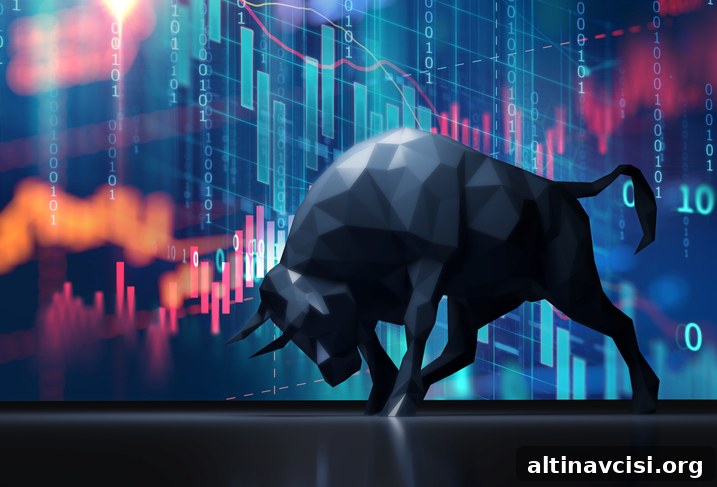
The S&P 500 recently notched its longest winning streak since 2004, erasing much of the market weakness that followed early tariff announcements. That sustained advance reflects investor optimism across a variety of sectors and suggests market participants are either discounting the potential economic fallout or focusing on other supportive factors such as strong corporate earnings, solid hiring data, and ongoing consumer demand.
Why Stocks and Tariff Worries Are Diverging
There are several reasons the stock market can rise even when macroeconomic warnings are mounting. First, equity prices often reflect discounted future earnings and expectations for policy responses, so investors may be banking on monetary or fiscal measures to offset any slowdown. Second, markets are forward-looking and will sometimes focus on near-term economic strength—robust employment, spending, and corporate profits—rather than risks that could materialize further out. Third, in an environment of high liquidity and low interest rates, investors frequently accept higher valuations in search of yield and growth.
Economists’ Concerns: Recession and Stagflation Risks
Economists caution that tariffs, particularly on imports from China, carry the potential to increase costs for businesses and consumers. Over time, that squeeze could slow economic growth while pushing prices higher, a combination commonly referred to as stagflation. Stagflation is troubling because it undermines traditional policy tools: central banks may be reluctant to raise rates aggressively to fight inflation if higher rates would further slow growth, while stimulus aimed at boosting growth can exacerbate price pressures.
These concerns inform the wide range of risk estimates. Some forecasters see tariffs as a manageable short-term shock; others view them as a structural change that could feed persistent inflation and erode supply chains, making the economy more vulnerable to a prolonged slowdown. The divergence in views highlights the uncertainty around how trade policy will evolve and how firms and consumers will respond over time.
Consumer Confidence vs. Actual Spending
Consumer surveys have shown rising unease about the economic outlook, reflecting worries about higher prices and uncertainty over trade policy. Yet, in practice, discretionary spending and retail sales data have remained relatively strong. That gap between sentiment and behavior is important: confidence measures can foreshadow future spending shifts, but until households change their purchasing patterns, the immediate impact on growth can be limited.
Part of this resilience stems from labor market strength and accumulated savings in some segments of the population, which can sustain consumption even when sentiment softens. Businesses, meanwhile, may delay large-scale hiring or investment decisions as they await greater policy clarity, which can mute the transmission of tariff-related effects into investment and employment.
What Investors Should Watch
For investors and observers trying to assess the outlook, several indicators merit attention: readings on inflation, measures of consumer spending, trends in corporate profit margins, and any new trade policy developments that could alter the cost structure for firms. Equally important are signals from central banks about how they interpret inflation and growth data, since monetary policy will play a key role in shaping the path of both asset prices and the broader economy.
Conclusion
The current situation is one of contrasts: equity markets have rallied even as credible warnings about tariff-driven recession risks circulate among economists. The apparent resilience in spending and corporate performance helps explain the rally, but the risk of higher prices and slower growth—stagflation—remains a meaningful concern if tariffs are sustained or expanded. Investors would do well to monitor incoming data and policy developments closely, recognizing that market momentum can persist even when downside risks are elevated.
Popular Topics
Picked from the archive
-
01
 Topics
Goldman Sachs Sees Gold Rally Reaching $4,500 on Tail Risk
-
02
Topics
US Launches Tariff Probe into China’s Critical Minerals Supply
-
03
Topics
Precious Metals Drop After US China Tariff Cut
-
04
Topics
Is Gold Overcrowded for Investors? Data Says No
-
05
Topics
Powell Says Tariffs Fuel Tension Between Inflation and Growth
-
06
Topics
Gold Drops 3% as U.S.-China Trade Deal Calms Markets
-
07
Topics
Foreign Treasury Selloff Threatens U.S. Borrowing Costs
-
08
Topics
Why Investors Remain Bullish Despite 60 Percent Recession Odds