Fed Likely to Hold Rates Amid Rising Economic Concerns
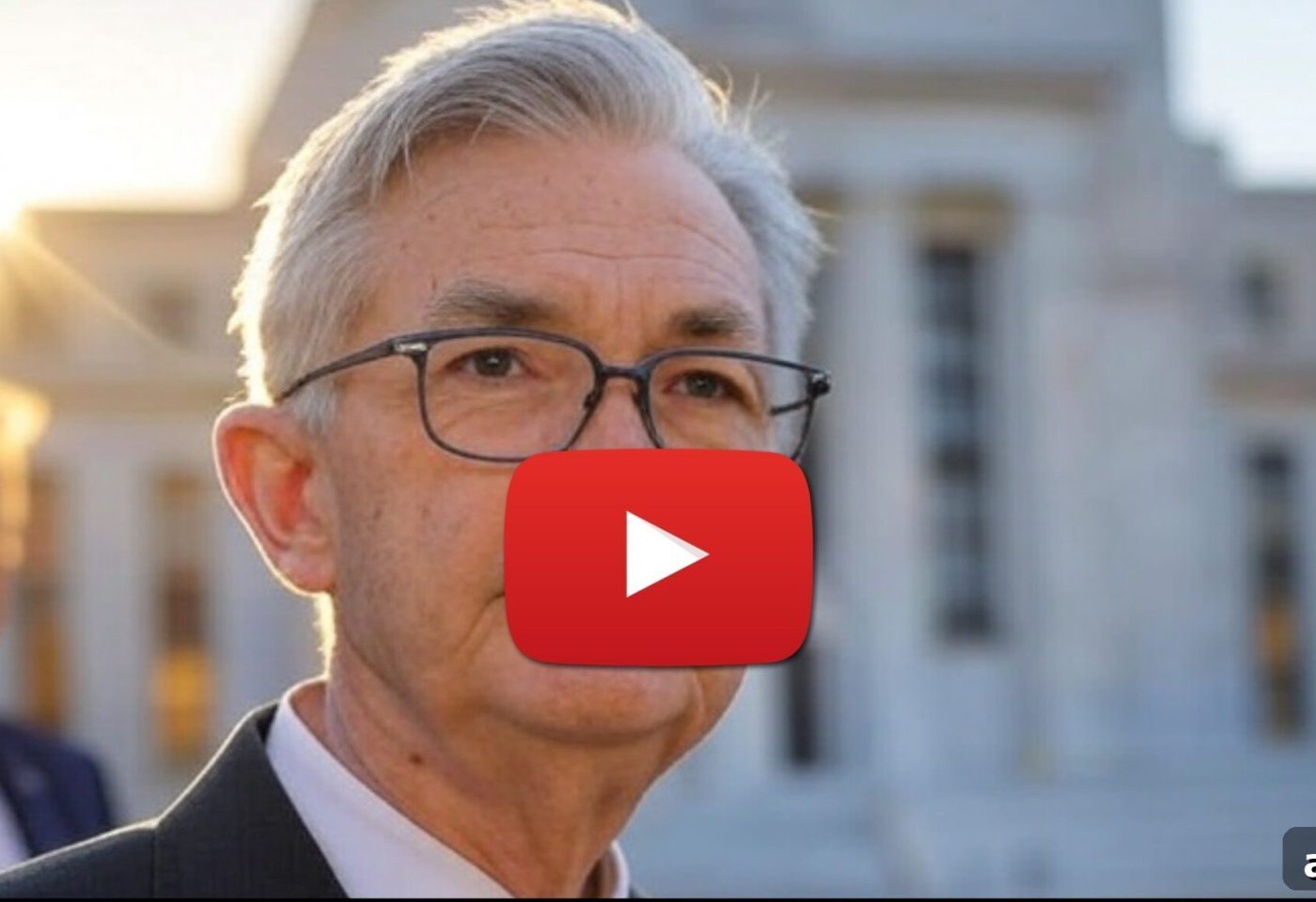
Federal Reserve Likely to Hold Interest Rates Steady Despite Calls for Cuts
The Federal Reserve is widely expected to keep interest rates unchanged this week, even as President Trump continues to call for rate cuts. Policymakers appear focused on the overall strength of the economy—especially recent labor market data—when weighing any change in monetary policy. With mixed signals from inflation and looming trade considerations, the Fed’s cautious posture reflects an attempt to balance growth and price stability.
One of the key reasons the Fed is leaning toward a pause is April’s solid job growth, which added 177,000 payrolls. That pace of hiring is being interpreted by many economists as evidence that the labor market remains healthy. When employment gains are steady, the central bank has less incentive to ease policy aggressively. Strong job creation helps support consumer spending and overall economic momentum, factors the Fed monitors closely when deciding whether to raise, lower, or maintain interest rates.
Inflation trends are another central element in the Fed’s calculus. While inflation appears to be easing gradually, the situation remains fragile and subject to outside pressures. Proposed import tariffs have been highlighted by analysts as one of those pressures: if tariffs are implemented or expanded, they could increase the cost of imported goods and put upward pressure on prices. Such a development would complicate the inflation outlook and could prompt a reassessment of monetary policy plans.
President Trump has been vocal about his preference for lower interest rates and has frequently criticized the Federal Reserve’s rate decisions. In a recent NBC interview, he reiterated his critiques but also made clear he does not intend to remove Chair Jerome Powell from his post. That public stance—criticizing policy while confirming the chair’s position—adds a layer of political context to the central bank’s decision-making environment without changing the Fed’s operational independence.
Beyond comments from the White House, broader trade developments contribute to economic uncertainty. Potential trade deals coming out of the White House could reshape global supply chains, import costs, and business sentiment. Depending on their scope and practical effects, such agreements have the potential either to ease or to intensify inflationary pressures, which in turn would influence how the Fed approaches interest rates in the months ahead.
This week’s calendar is light on major economic releases, which limits the new information available to policymakers and market participants. With fewer headline data points to drive decisions, analysts and investors will pay special attention to weekly jobless claims as a near-term indicator of labor market resilience. A sustained rise in initial unemployment claims could signal emerging weakness in hiring or layoffs, potentially altering the narrative that has supported the Fed’s decision to stand pat on rates.
In the absence of dramatic new data, the combination of steady job growth, easing inflation, and political and trade uncertainties suggests a cautious, wait-and-see approach for the Fed. Keeping rates steady preserves flexibility: it allows the central bank to respond to any sudden shifts in inflation or employment without having committed to a short-term easing or tightening path. At the same time, the Fed will continue to watch incoming data closely, especially indicators tied to the labor market and import prices, which are the most likely channels for rapid changes to the economic outlook.
For businesses, consumers, and investors, this period of relative policy stability means that near-term financial decisions will be influenced more by developments in trade policy and employment trends than by imminent interest rate moves. Market participants will be closely monitoring both government announcements on trade and the weekly jobless claims reports as signals that could prompt a change in the Fed’s stance.
In short, the Federal Reserve’s expected decision to hold rates steady reflects a balancing act: solid recent job growth argues against immediate cuts, easing inflation provides some relief, but tariff threats and trade developments remain wildcard factors that could quickly alter the outlook. Analysts will be watching jobless claims and other incoming data for signs that the labor market is weakening or that price pressures are picking up, either of which could influence the timing and direction of future rate decisions.
Popular Topics
Picked from the archive
-
01
 Topics
Goldman Sachs Sees Gold Rally Reaching $4,500 on Tail Risk
-
02
Topics
US Launches Tariff Probe into China’s Critical Minerals Supply
-
03
Topics
Precious Metals Drop After US China Tariff Cut
-
04
Topics
Is Gold Overcrowded for Investors? Data Says No
-
05
Topics
Powell Says Tariffs Fuel Tension Between Inflation and Growth
-
06
Topics
Gold Drops 3% as U.S.-China Trade Deal Calms Markets
-
07
Topics
Foreign Treasury Selloff Threatens U.S. Borrowing Costs
-
08
Topics
Why Investors Remain Bullish Despite 60 Percent Recession Odds