Metal Markets Rally Ahead of Fed Rate Decision This Week
Gold Prices Rebound Above $3,300 as Markets Watch Fed Decision and Trade Tensions
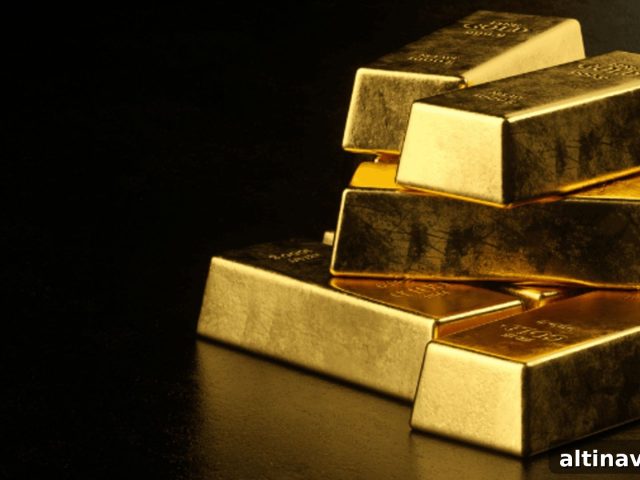
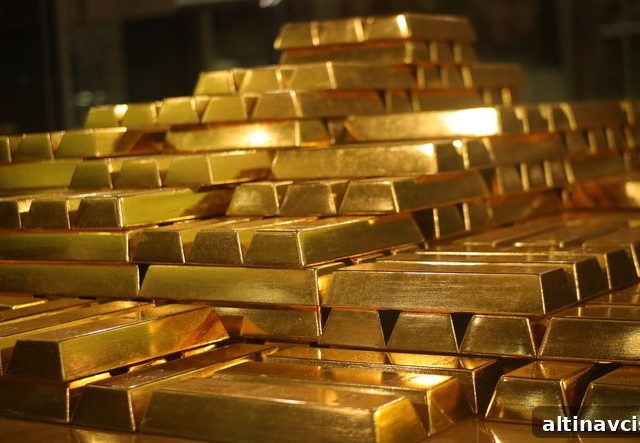
Gold prices recovered to trade above $3,300 per ounce after experiencing their first consecutive weekly losses of the year. The rebound highlights the metal’s continued appeal as a safe-haven asset amid ongoing geopolitical and policy uncertainty. Investors are closely monitoring an upcoming Federal Reserve rate decision and developments in US‑China trade relations, both of which have the potential to shape gold’s near-term direction.
Despite the recent pullback, gold has delivered strong returns through 2025, rising nearly 25% year-to-date and earlier this year briefly topping record highs above $3,500 per ounce. That rally reflected a mix of factors: heightened concerns about global trade uncertainty, shifts in US economic policy, and broad-based demand from Chinese investors and central banks around the world. These drivers have combined to tighten physical and financial demand, supporting gold prices even when short-term profit-taking occurs.
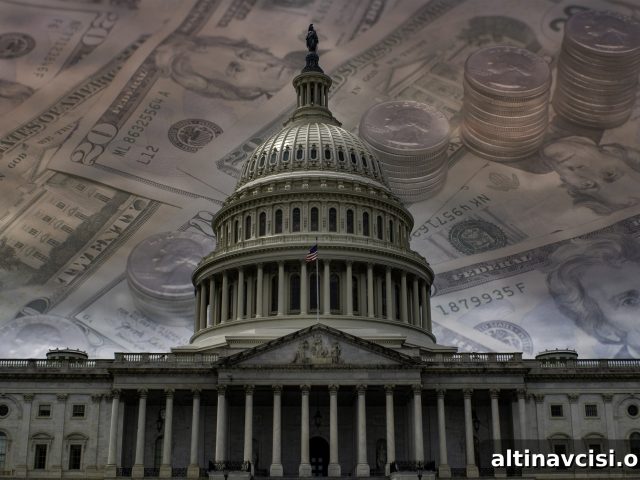
The looming Federal Reserve decision is a central focus for market participants because interest-rate expectations and monetary-policy guidance have a direct influence on precious metals. Changes in the outlook for interest rates can alter the opportunity cost of holding non‑yielding assets such as gold, while also affecting the US dollar and inflation expectations. For these reasons, traders, fund managers, and long-term investors alike are parsing Fed commentary for clues on the path of tightening or easing and how that might affect the balance between risk assets and havens like gold.
Trade tensions between the United States and China remain another important variable. Periodic escalations or signs of stabilization can swing investor appetite for risk, influencing flows into safe-haven assets. When trade uncertainty rises, demand for gold typically increases as investors hedge against slower growth, disrupted supply chains, or broader financial-market volatility. Conversely, progress on trade could ease some of the risk premia that have helped push gold to new highs earlier in the year.
Beyond macro drivers, structural demand trends have also supported the market. Increased purchases by central banks, particularly those diversifying foreign-exchange reserves, have added a stable bid for bullion. Similarly, sustained interest from Chinese buyers—both for jewelry and investment products—has been an important component of physical demand this year. Together, these sources of demand help explain why gold has been resilient even after short-term corrections.
Market dynamics have also been influenced by flows into gold-backed exchange-traded funds (ETFs) and other investment vehicles, which serve as a convenient channel for portfolio exposure to the metal. While such flows can amplify swings, they also provide liquidity and a transparent measure of financial demand. At the same time, technical trading and profit-taking have produced intermittent pullbacks, offering buying opportunities for longer-term investors who view the metal as a hedge against inflation, currency weakness, or geopolitical risk.
Looking ahead, the immediate outlook for gold will depend on a combination of policy signals from the Federal Reserve, fresh developments in global trade negotiations, and incoming economic data that shapes growth and inflation expectations. Volatility is likely to persist around key announcements, but the underlying themes supporting the metal—safe-haven demand, central-bank accumulation, and robust interest from key physical consumers—remain intact. Traders and investors will continue to weigh these fundamentals against short-term technical movements as they position for the next phase of the market.
In summary, the recent rebound above $3,300 underscores gold’s resilience after a brief period of weakness. With major policy decisions and geopolitical headlines on the near-term calendar, market participants should expect heightened sensitivity to news flow, even as longer-term structural demand keeps the metal firmly on investors’ radar.
Popular Topics
Picked from the archive
-
01
 Topics
Goldman Sachs Sees Gold Rally Reaching $4,500 on Tail Risk
-
02
Topics
US Launches Tariff Probe into China’s Critical Minerals Supply
-
03
Topics
Precious Metals Drop After US China Tariff Cut
-
04
Topics
Is Gold Overcrowded for Investors? Data Says No
-
05
Topics
Powell Says Tariffs Fuel Tension Between Inflation and Growth
-
06
Topics
Gold Drops 3% as U.S.-China Trade Deal Calms Markets
-
07
Topics
Foreign Treasury Selloff Threatens U.S. Borrowing Costs
-
08
Topics
Why Investors Remain Bullish Despite 60 Percent Recession Odds