Gold vs Silver 2025: Which Precious Metal Will Outperform?
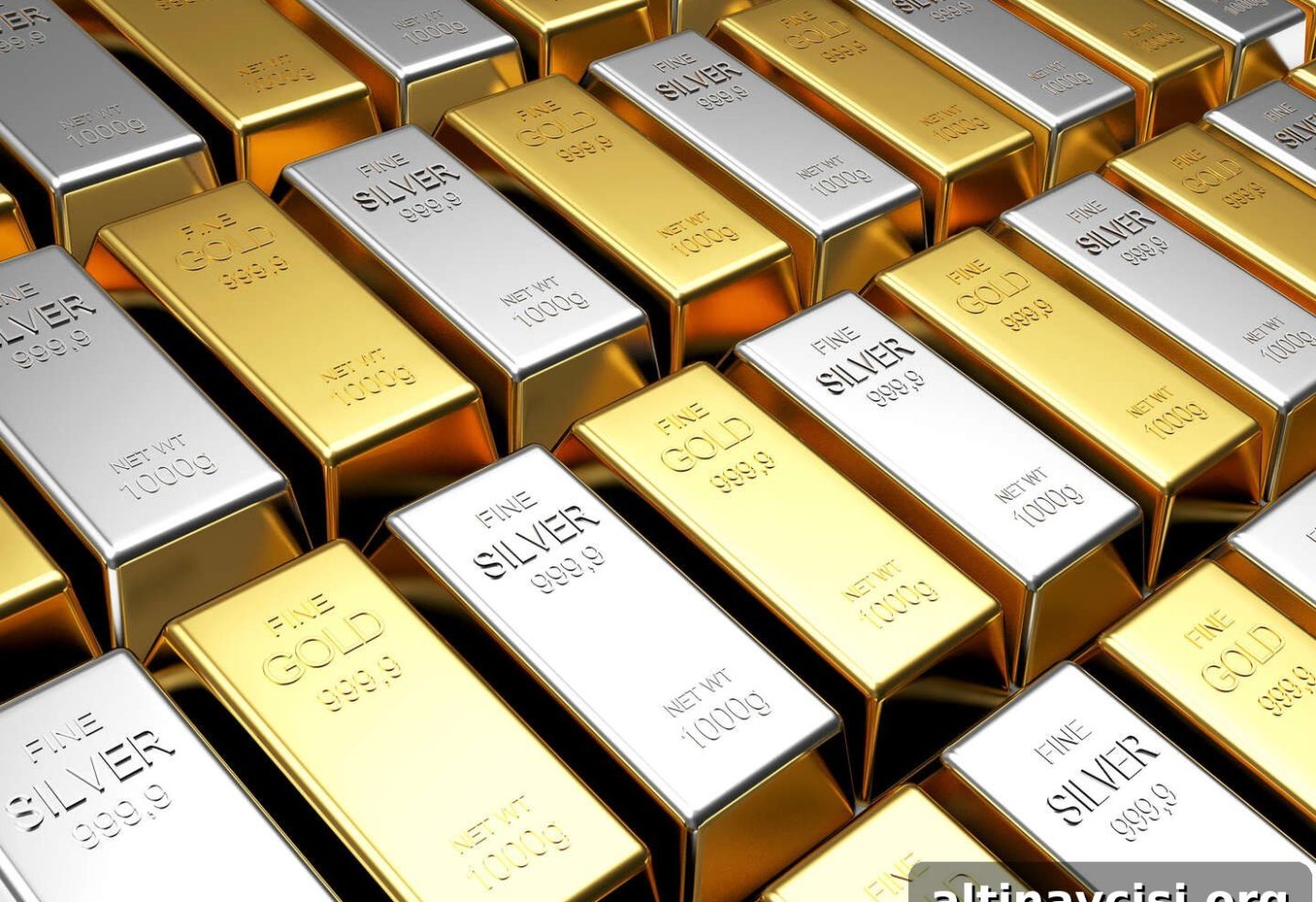
In a global economy marked by rising debt, geopolitical uncertainty, and persistent inflation, precious metals remain a trusted refuge for many investors. The debate between silver vs gold is increasingly relevant as markets evolve and new industrial trends reshape demand. While gold retains its role as the premier safe haven, silver is emerging as a compelling, more accessible alternative with distinct advantages for 2025 and beyond.
Silver’s combination of affordability, industrial utility, and historical volatility offers potential for outsized gains in the next leg of a metals bull market. Below we compare the two metals across key dimensions—price, demand drivers, market structure, and tactical allocation—to help investors decide how silver might fit into a modern portfolio alongside gold.
The Silver Investment Opportunity Gold Investors Are Missing
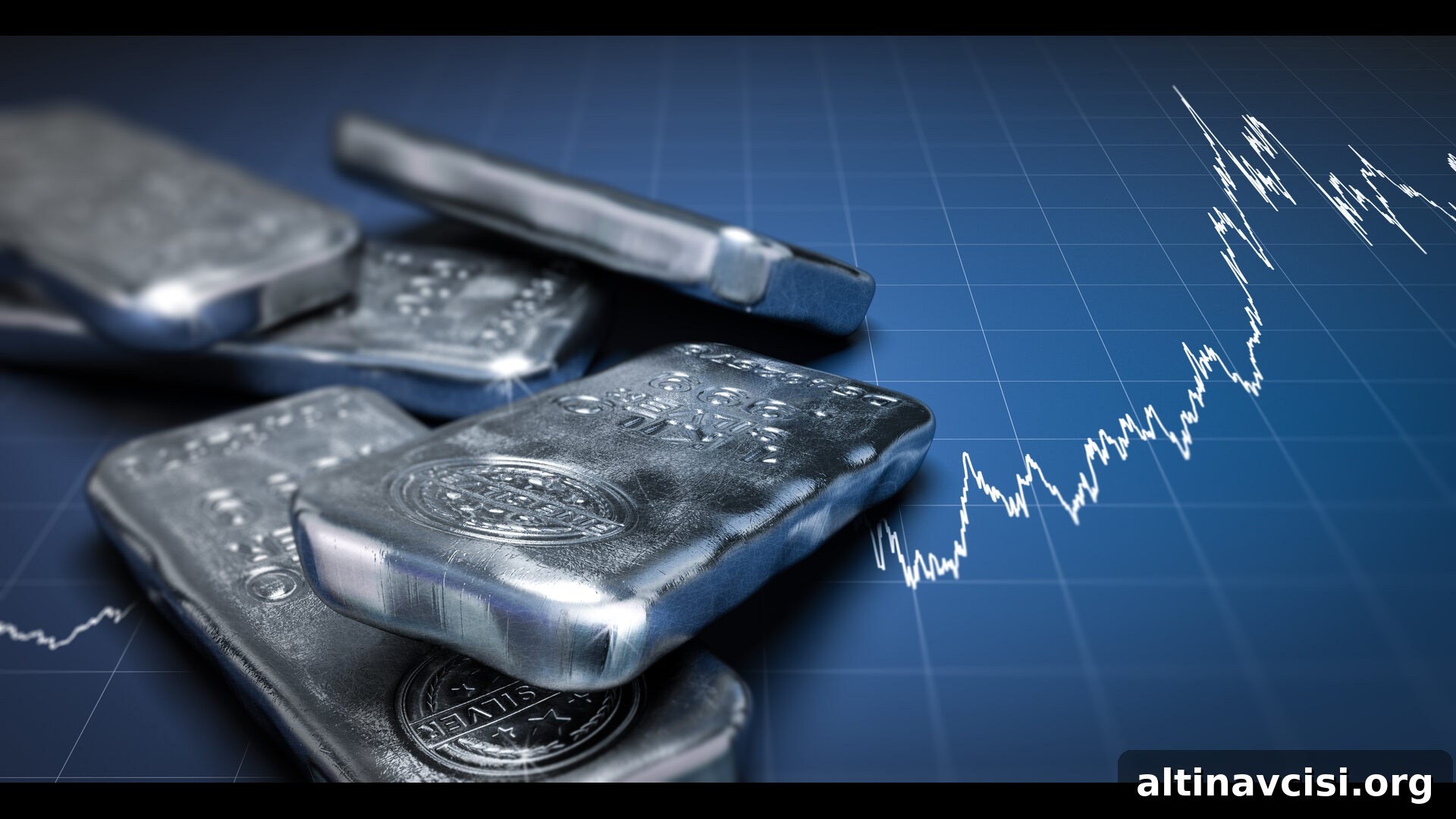
Learn why silver could offer higher upside potential today, combining growth prospects with strong industrial demand.
Read More
Silver’s Affordability Advantage: A Smart Entry Point
At roughly $32 per ounce versus gold near $3,400 per ounce, silver is far more affordable for most investors. That price gap creates practical benefits:
- Lower barrier to entry: Easier for first-time and small investors to build a position in hard assets.
- Potential for greater upside: Gold has repeatedly reached new highs; silver remains well below its 2011 peak around $50, suggesting more runway if the metals rally resumes.
- Flexible buying strategies: Dollar-cost averaging and incremental purchases are simpler with lower-priced silver, enabling more agile portfolio rebalancing.
As market analysts note, silver’s lower price point gives investors flexibility to adjust positions according to changing market conditions, which can be an important tactical advantage.
Volatility = Opportunity: Silver’s Growth Potential
Silver is more volatile than gold, and that volatility can translate into meaningful gains during bullish phases. Historical examples illustrate this dynamic:
- 2020: Silver climbed nearly 48% while gold rose about 25%.
- 2016: Silver gained 15.8%, compared with gold’s 8.5%.
- 2019: Both metals advanced—silver by 15.2% and gold by 18.3%.
Silver often lags early in a bull cycle but can accelerate sharply later on, offering tactical investors opportunities to capture outsized returns when momentum builds.
Dual Demand Drivers: Investment + Industry
Unlike gold, which is driven primarily by investment demand and central bank activity, silver benefits from both investment interest and substantial industrial consumption. Its role in modern technology and manufacturing creates a structural floor under demand:

- Solar energy: Photovoltaic panels use silver—about 20 grams per panel—making silver vital to the renewable energy transition.
- Electric vehicles and electronics: Silver is essential in batteries, wiring, sensors, and touchscreens, with demand rising as EV adoption grows.
- Medical technology: Silver’s antimicrobial properties are used in wound care, surgical tools, and water purification.
- Semiconductors and 5G: Silver’s high electrical conductivity supports faster chips and expanding broadband infrastructure.
- Appliances and RF shielding: Silver appears in consumer appliances, RFID components, and shielding for sensitive electronics.
Today, more than 50% of global silver demand derives from industrial use, creating a structural demand floor that gold lacks. This industrial component can support prices even when investment flows fluctuate.
Undervalued Potential: The Gold–Silver Ratio
The gold–silver ratio—how many ounces of silver equal one ounce of gold—is a long-standing tool for precious metals investors. It helps identify relative value between the two metals and often signals when silver may be undervalued.
- Historical average: ~60:1
- Peak in 2020: 125:1—an extreme historically followed by strong silver gains
- 2025 observation: Approximately 100:1, well above the long-term average, suggesting upside potential for silver
When the ratio compresses, silver typically outperforms gold. Investors monitor this metric to inform tactical rebalancing and to identify buying opportunities in silver when the ratio is elevated.
Gold–Silver Ratio 2005–2025
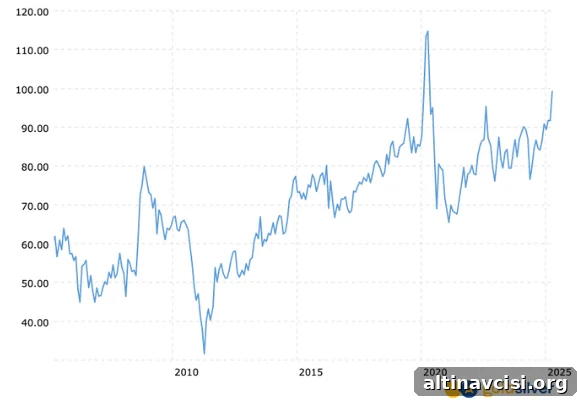
Historically, periods when the ratio falls from extreme levels have coincided with significant silver rallies—an important consideration for timing and allocation decisions.
Market Size: Why Small Is Strategic
By value, the global silver market is roughly one-tenth the size of the gold market. While smaller market size can mean greater volatility, it also creates leverage to price moves:
- Higher price sensitivity: Modest investment inflows can move silver more sharply than gold.
- Tight physical supply: Industrial use consumes a large share of mined silver, often in trace amounts that are not recoverable.
- Rapid response to trends: Silver tends to react faster to shifts in investor sentiment or supply disruptions.
Because of its smaller market size and high industrial demand, silver can offer higher percentage returns during sustained bullish periods, making it attractive to investors seeking growth within a precious-metals allocation.
Silver vs. Gold: Portfolio Allocation by Risk Profile
A blended approach typically makes the most sense—use gold for stability and silver for growth potential. Suggested allocations by risk tolerance:
- Conservative: 8–10% gold, 2–3% silver—prioritizes preservation and lower volatility.
- Balanced: 5–8% gold, 3–5% silver—mixes protection with growth opportunities.
- Aggressive: 3–5% gold, 7–10% silver—tilts toward higher upside while accepting greater volatility.
These ranges are guidelines, not mandates. Investors should tailor allocations to their time horizon, liquidity needs, and comfort with price swings.
Final Word: Why Silver Belongs in Your 2025 Portfolio
Silver’s affordability, crucial industrial roles, and potential for volatility-driven gains make it an important complement to gold. Gold provides a stable store of value and crisis protection; silver offers a dynamic mix of growth potential and industrial demand. Together, they form a diversified precious-metals strategy suited to navigate the uncertainties of 2025.
Disclaimer: This article is for informational purposes only and should not be considered financial advice. Past performance is not indicative of future results. Always conduct thorough research or consult a qualified financial advisor before making investment decisions.
Get Gold & Silver Insights Direct to Your Inbox
Join thousands of investors receiving market analysis, timely updates, and actionable ideas every week.
- ⏰ Timely alerts on major price moves and important events
- 📢 Market updates from experienced analysts
- 💡 Strategies to navigate this rare opportunity

Popular Topics
Picked from the archive
-
01
 Topics
Goldman Sachs Sees Gold Rally Reaching $4,500 on Tail Risk
-
02
Topics
US Launches Tariff Probe into China’s Critical Minerals Supply
-
03
Topics
Precious Metals Drop After US China Tariff Cut
-
04
Topics
Is Gold Overcrowded for Investors? Data Says No
-
05
Topics
Powell Says Tariffs Fuel Tension Between Inflation and Growth
-
06
Topics
Gold Drops 3% as U.S.-China Trade Deal Calms Markets
-
07
Topics
Foreign Treasury Selloff Threatens U.S. Borrowing Costs
-
08
Topics
Why Investors Remain Bullish Despite 60 Percent Recession Odds