Trump Signals Major Cut to China Tariffs
Trump Announces Substantial Reduction in Tariffs on Chinese Goods
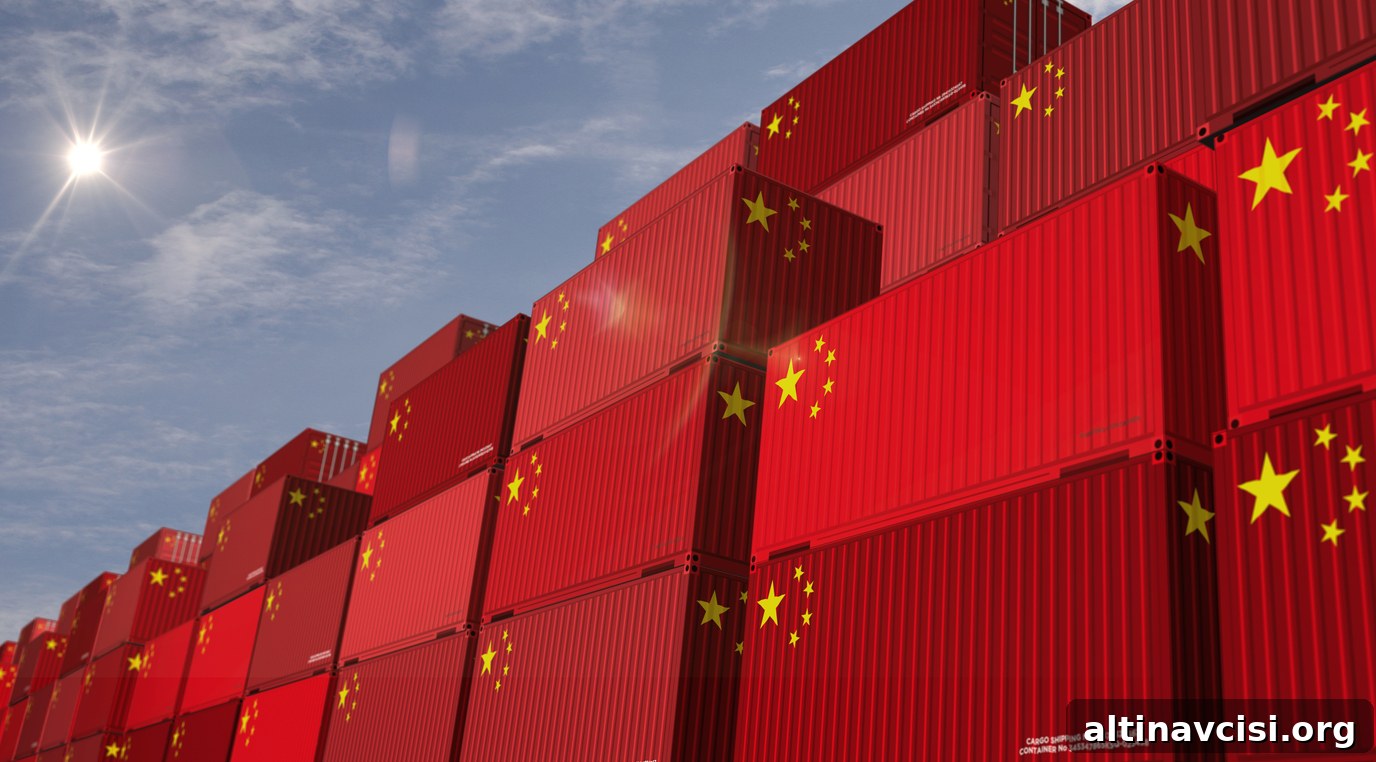
President Trump has announced a substantial reduction in tariffs on goods imported from China, signaling a notable change from his previous hardline trade stance. In a brief public statement, the President declared, “Tariffs will come down substantially,” and expressed optimism about the prospect of reaching a trade agreement with China. This development comes amid heightened global attention to the escalating trade tensions between the world’s two largest economies.
Shift From Earlier Position
Until now, the administration’s approach had focused on using high tariffs as leverage to address trade imbalances, intellectual property concerns, and other long-standing disputes. That strategy prompted significant Chinese retaliation and contributed to an intensifying trade conflict. The new announcement represents a departure from that earlier trajectory and suggests that policymakers are recalibrating their tactics to prioritize negotiation and de-escalation.
Market Reaction and Economic Implications
Financial markets reacted positively to the news, with investors welcoming the prospect of lower trade barriers and reduced uncertainty. Lower tariffs can alleviate immediate cost pressures on businesses that rely on Chinese imports for supply chains, potentially easing inflationary pressures on goods tied to those inputs. The announcement also raised hopes among exporters and importers that a more stable trade environment will improve planning and investment decisions in the months ahead.
Diplomatic and Trade Negotiation Outlook
By signaling a willingness to roll back tariffs, the President appears to be opening space for resumed talks with Chinese officials. A reduction in tariffs can serve as a confidence-building measure that encourages both sides to engage in substantive negotiations. While the precise details of any forthcoming agreement were not specified at the time of the statement, markets and policymakers are watching for follow-up discussions that could outline timelines, specific concessions, and mechanisms for enforcement.
Business and Consumer Effects
For businesses, lower tariffs may translate into reduced input costs, which can support margins and lower prices for consumers. Retailers and manufacturers that source components or finished products from China could see immediate benefits if tariff relief is implemented broadly. Consumers may experience modest relief in prices for imported goods over time, depending on how companies adjust pricing strategies and whether any savings are passed on.
Broader Economic Context
Trade policy shifts like this tend to ripple across supply chains and economic forecasts. Reduced trade tensions can help stabilize expectations for global growth and investment, while also easing the risk of retaliatory measures that previously hampered cross-border commerce. That said, the longer-term outcome will depend on the scope of any formal agreement, enforcement provisions, and whether the underlying structural issues that prompted tariffs in the first place are addressed through durable commitments.
What Comes Next
Observers expect a period of diplomacy and technical talks to translate the President’s announcement into a concrete framework. Stakeholders will be looking for clarity on which categories of goods will see tariff reductions, the timing of any changes, and whether reciprocal steps will be taken by China to address trade disputes. Continued public statements, negotiations, and potential follow-up announcements will be critical for businesses and markets seeking to assess the full impact.
In summary, the President’s declaration that tariffs on Chinese goods “will come down substantially” marks a significant shift in approach, one that has already helped calm financial markets and raised hopes for de-escalation in a high-profile trade confrontation. The coming weeks and months will reveal how this change in tone translates into specific policies and agreements.
Popular Topics
Picked from the archive
-
01
 Topics
Goldman Sachs Sees Gold Rally Reaching $4,500 on Tail Risk
-
02
Topics
US Launches Tariff Probe into China’s Critical Minerals Supply
-
03
Topics
Precious Metals Drop After US China Tariff Cut
-
04
Topics
Is Gold Overcrowded for Investors? Data Says No
-
05
Topics
Powell Says Tariffs Fuel Tension Between Inflation and Growth
-
06
Topics
Gold Drops 3% as U.S.-China Trade Deal Calms Markets
-
07
Topics
Foreign Treasury Selloff Threatens U.S. Borrowing Costs
-
08
Topics
Why Investors Remain Bullish Despite 60 Percent Recession Odds