Dollar Drops 9% as Central Banks Navigate Currency Turbulence
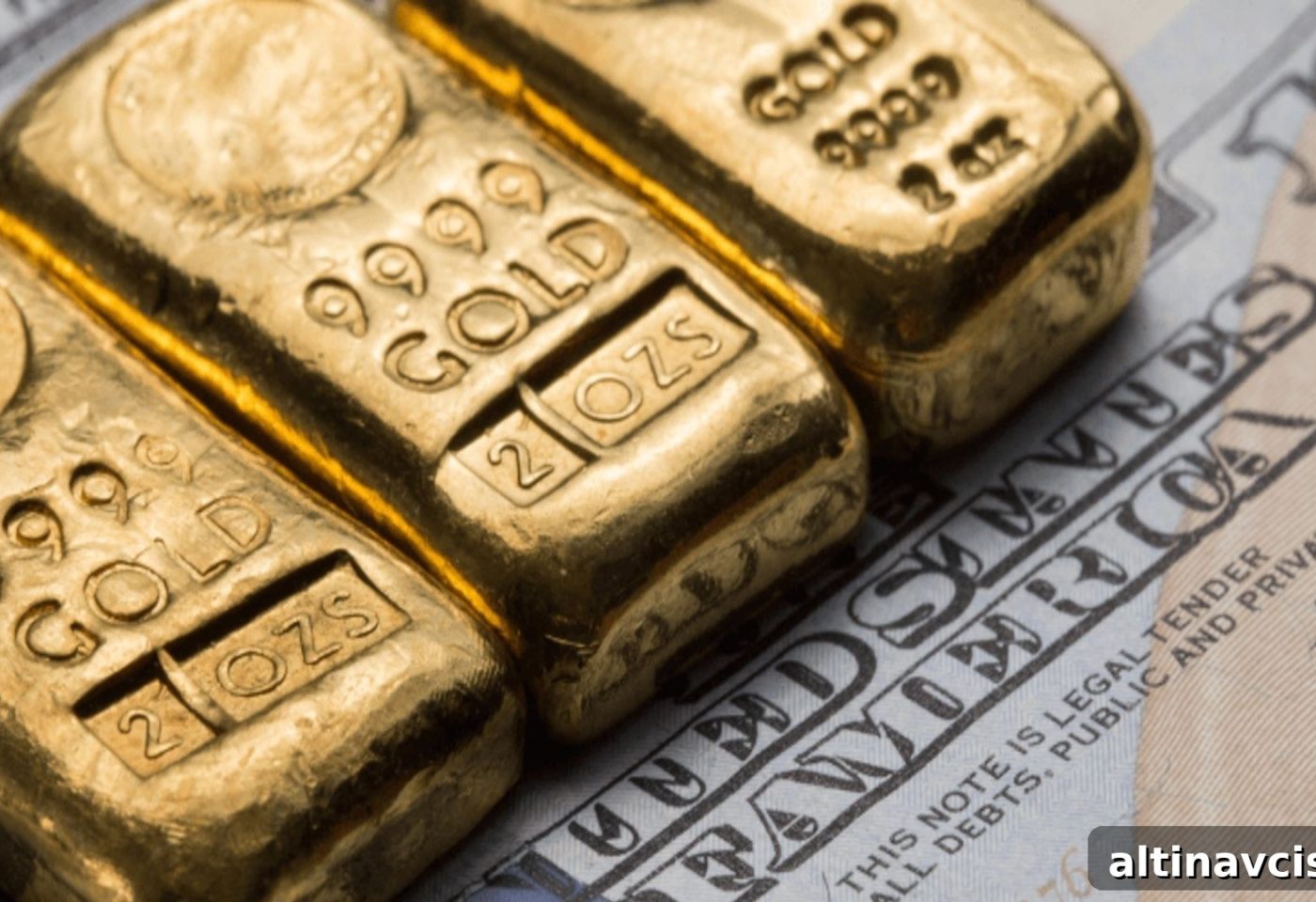
US Dollar Slides More Than 9% This Year as Investors React to Policy Uncertainty
The US dollar has weakened sharply, falling by more than 9% so far this year as markets attempt to price in ongoing uncertainty about US policy. This decline has prompted a notable shift in global capital flows, with investors reallocating assets away from US securities and seeking alternatives perceived as safer or more attractive under current conditions.
Bank of America has captured that shift in sentiment, reporting the most pessimistic dollar outlook among investors in nearly 20 years. That assessment reflects growing concern about the dollar’s near-term direction and the potential implications for portfolios, trade balances, and cross-border investment strategies. As investor confidence in the greenback wanes, the ripple effects are being felt across currency markets, bond markets, and equity markets worldwide.
As the dollar weakens, several so-called safe-haven currencies have appreciated significantly. The Japanese yen has risen roughly 10%, while both the Swiss franc and the euro have strengthened by about 11%. These gains highlight how currency markets are rotating into alternatives that investors view as stable stores of value or less exposed to US-specific policy risks. Alongside the yen, franc, and euro, other currencies such as the Mexican peso, Canadian dollar, Polish zloty, and Russian rouble have also advanced, reflecting a mix of regional dynamics, commodity linkages, and investor positioning.
Currency movements of this scale can influence trade competitiveness, inflation, and corporate earnings. A weaker dollar generally makes US exports cheaper for foreign buyers and reduces the dollar cost of goods priced in other currencies, potentially helping US exporters over time. At the same time, importers and consumers may see higher local-currency prices when their currencies fall versus the dollar; conversely, countries whose currencies have strengthened against the dollar may experience cheaper imports and downward pressure on imported inflation.
Despite the broad dollar weakness, a number of emerging market currencies have reached record lows against the dollar. This juxtaposition—where the dollar is softer overall yet certain emerging market currencies are still falling sharply—underscores that currency movements are driven by multiple forces beyond the dollar’s own momentum. Domestic economic conditions, local political uncertainty, balance-of-payments pressures, heavy reliance on foreign-currency debt, and shifts in commodity prices can all push an individual currency lower even when the US currency is weakening.
In practice, some emerging economies remain vulnerable because their financial systems and corporate sectors have significant dollar-denominated liabilities. Even a broadly weaker dollar does not immediately relieve those pressures if investor confidence in local assets is low or if capital continues to flow out to perceived safe-haven assets. In other cases, local inflation, tightening financial conditions, or weak growth prospects can outweigh the advantage of a softer dollar and lead to continued currency depreciation.
The current environment also carries implications for central banks. Currency swings of this magnitude often factor into monetary-policy deliberations as policymakers weigh the trade-offs between supporting growth, controlling inflation, and maintaining financial stability. For countries that have seen their currencies strengthen, authorities may watch for impacts on export competitiveness and inflation expectations. For those facing record lows, central banks may feel pressure to tighten policy or intervene in foreign-exchange markets to stabilize the currency, depending on their mandates and available tools.
For investors and businesses, this phase of dollar weakness emphasizes the importance of active currency risk management. Hedging strategies, diversified currency exposure, and careful assessment of country-specific risks are critical when volatility is elevated and policy uncertainty persists. Companies with cross-border operations must monitor how exchange-rate movements affect revenue translation, input costs, and pricing strategies, while portfolio managers may rebalance allocations to reflect changing risk-reward dynamics across currencies and regions.
In summary, the US dollar’s more-than-9% decline this year—paired with the most pessimistic investor outlook in nearly two decades, as reported by Bank of America—has reshaped global currency markets. Safe-haven currencies like the yen, Swiss franc, and euro have strengthened significantly, and a range of other currencies have rallied. Yet the picture remains uneven: several emerging market currencies have still hit record lows, illustrating how country-specific factors and investor sentiment continue to influence exchange rates even amid broad dollar weakness. As policy uncertainty endures, markets are likely to remain sensitive to new economic data and official signals, keeping currency volatility elevated in the near term.
Popular Topics
Picked from the archive
-
01
 Topics
Goldman Sachs Sees Gold Rally Reaching $4,500 on Tail Risk
-
02
Topics
US Launches Tariff Probe into China’s Critical Minerals Supply
-
03
Topics
Precious Metals Drop After US China Tariff Cut
-
04
Topics
Is Gold Overcrowded for Investors? Data Says No
-
05
Topics
Powell Says Tariffs Fuel Tension Between Inflation and Growth
-
06
Topics
Gold Drops 3% as U.S.-China Trade Deal Calms Markets
-
07
Topics
Foreign Treasury Selloff Threatens U.S. Borrowing Costs
-
08
Topics
Why Investors Remain Bullish Despite 60 Percent Recession Odds