Goldman Sachs Sees Gold Rally Reaching $4,500 on Tail Risk

Gold Hits Record Levels as Asian Overnight Buying Drives Momentum, Goldman Sachs Sees Upside
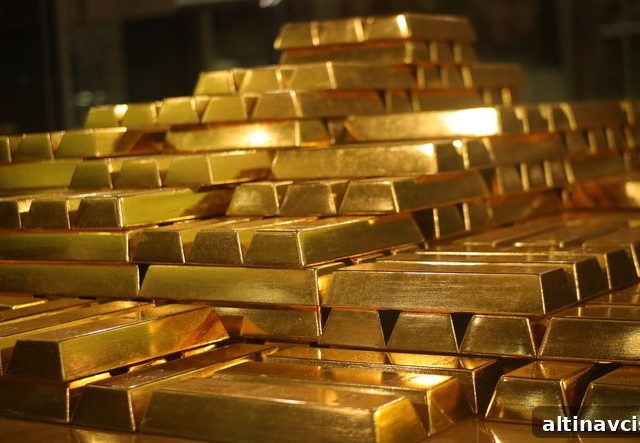
Gold prices have climbed to record highs following a sustained pattern of overnight buying originating from Asian markets. According to Goldman Sachs, this buying activity has persisted for eight consecutive sessions, and trading volumes during those overnight sessions have been notably higher than typical levels. That combination of persistent demand and elevated volume has helped push prices upward and attracted broader market attention.
Despite the pronounced rally, Goldman Sachs indicates that market positioning has not yet reached an overextended state. In other words, investor exposure to gold does not appear extreme by conventional measures, suggesting there may still be room for additional gains if the supportive flows continue. That assessment underpins the bank’s bullish baseline outlook for the coming months.
Goldman Sachs’ Targets and a Tail-Risk Scenario
Goldman Sachs has set a year-end target of $3,700 per ounce for gold, reflecting the combination of steady demand, robust trading activity, and a macro backdrop that can support the metal’s safe-haven appeal. The bank also highlights a so-called “tail-risk scenario” in which gold could surge dramatically to $4,500 per ounce. This more extreme outcome is framed as contingent on an unexpected shift in U.S. monetary policy by the Federal Reserve—an abrupt move that could amplify risk aversion and safe-haven flows into gold.
Labeling the higher price scenario a tail risk emphasizes that it is not the base-case expectation but rather a plausible but less likely outcome that would be triggered by significant macroeconomic or policy surprises. Market participants often monitor such scenarios to assess vulnerability to rapid price moves and to size positions with an eye toward downside protection and potential upside capture.
What the Recent Movements Mean for Investors
For investors, the current environment presents several considerations. First, persistent overnight buying from Asian markets underscores the importance of regional demand patterns in influencing global gold prices. Second, elevated trading volumes during these sessions suggest active participation from a mix of investors, including funds, regional buyers, and potentially physical market participants.
Third, Goldman Sachs’ view that positioning remains below overextended levels implies that the rally could continue without an immediate risk of a sharp, position-driven reversal. However, as with any asset experiencing a rapid advance, investors should remain mindful of liquidity, entry points, and risk-management tools—stop-losses, position sizing, and diversification—depending on their individual objectives.
Factors That Could Sustain or Reverse the Rally
Several broader factors could either sustain or reverse the current momentum in gold prices. Sustaining factors include ongoing safe-haven demand, geopolitical uncertainty, or sustained weakness in risk assets that drives asset allocation into gold. Conversely, a decisive improvement in growth prospects, a rapid normalization of interest rates, or a shift away from risk-averse positioning could temper the metal’s appeal.
The Federal Reserve’s policy path remains a pivotal determinant. If the Fed signals a more accommodative stance or implements unexpected policy changes that increase economic or financial uncertainty, gold could receive additional support consistent with the tail-risk scenario Goldman Sachs outlined. Alternatively, a clear and credible tightening of monetary conditions could reduce pressure on yields and curb some of the demand for non-yielding assets like gold.
Conclusion
Gold’s recent advance, fueled by eight straight days of overnight buying from Asian markets and higher-than-average trading volumes during those sessions, has pushed prices to record levels. Goldman Sachs’ assessment that positioning is not yet overextended supports a continued upside bias, with a base-case year-end target of $3,700 per ounce and a more extreme $4,500 per ounce outcome reserved for an unexpected shift in Federal Reserve policy. Investors should weigh these perspectives alongside their risk tolerance, portfolio objectives, and views on central-bank actions and broader market conditions.
Popular Topics
Picked from the archive
-
01
 Topics
US Launches Tariff Probe into China’s Critical Minerals Supply
-
02
Topics
Precious Metals Drop After US China Tariff Cut
-
03
Topics
Is Gold Overcrowded for Investors? Data Says No
-
04
Topics
Powell Says Tariffs Fuel Tension Between Inflation and Growth
-
05
Topics
Gold Drops 3% as U.S.-China Trade Deal Calms Markets
-
06
Topics
Foreign Treasury Selloff Threatens U.S. Borrowing Costs
-
07
Topics
Why Investors Remain Bullish Despite 60 Percent Recession Odds
-
08
Topics
US Job Market Shrugs Off Tariff Fears, Adds Jobs in April